Why People Avoid Eye Contact in Crowds: A Japanese Cultural Perspective
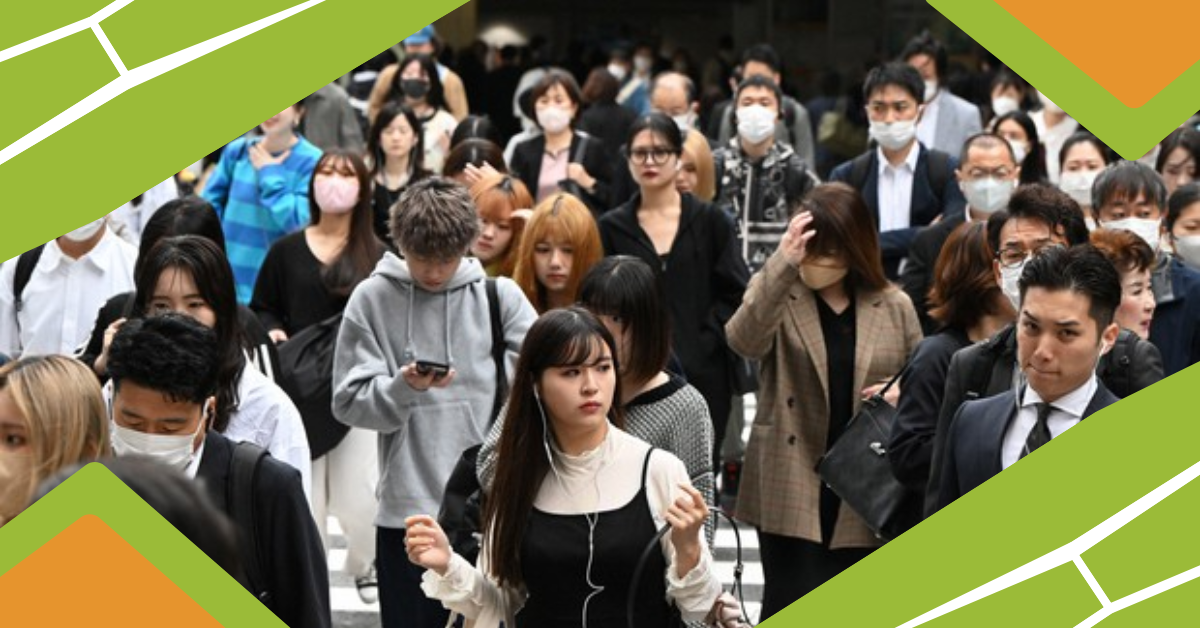
Avoiding eye contact in crowded places is a behavior many visitors notice immediately in Japan. What may seem unusual to outsiders is actually a deeply rooted cultural practice shaped by social values, emotional boundaries, and the Japanese approach to public harmony. Understanding this behavior offers meaningful insight into how Japanese society maintains order and respect in densely populated environments.
The Role of Enryo (Restraint) in Public Behavior
A core concept in Japanese culture is enryo, which means holding back to avoid inconveniencing others. In crowded settings such as trains, stations, and shopping streets, direct eye contact can feel intrusive or overly assertive. Instead, people adopt a neutral gaze to communicate respect for others’ personal space, a desire not to impose, and emotional self‑control. This subtle restraint helps everyone coexist peacefully, especially in cities where millions move through shared spaces every day.
Maintaining Wa (Harmony) in Social Spaces
Japan places high value on wa, or social harmony. Eye contact can unintentionally signal curiosity, confrontation, or an invitation to interact. These signals are not ideal in fast‑moving public environments. By avoiding eye contact, individuals contribute to a collective understanding that interactions should remain minimal, tension should be avoided, and movement should stay smooth and coordinated. This cultural norm is one reason Japanese crowds feel calm and organized despite their size.
Public Spaces as Private Mental Zones
In Japan, public spaces often function as private emotional zones. People create invisible boundaries around themselves, especially in crowded areas. Avoiding eye contact helps maintain these boundaries by reducing social pressure, allowing mental relaxation, and preventing unwanted engagement. This is why commuters often read, sleep, or look at their phones without acknowledging those around them.
Subtle Non Verbal Communication Norms
Japanese communication tends to be indirect and nuanced. Eye contact is used sparingly and intentionally. In many situations, prolonged eye contact feels confrontational, brief eye contact is enough to acknowledge someone, and looking away quickly signals politeness. This contrasts with Western cultures where steady eye contact is linked to confidence or honesty. In Japan, subtlety is valued over intensity.
Emotional Protection in High Density Cities
Cities like Tokyo and Osaka are sensory rich environments. Avoiding eye contact becomes a practical coping strategy that helps people reduce emotional fatigue, filter out overwhelming stimuli, and maintain inner calm. In a society that values emotional balance and self‑discipline, this behavior is both culturally reinforced and personally beneficial.
Conclusion
Avoiding eye contact in Japanese crowds is not a sign of shyness or disinterest. It reflects a sophisticated cultural system built on respect, harmony, and emotional boundaries. By understanding this behavior, visitors gain a deeper appreciation for the quiet and coordinated rhythm of Japanese public life where even averted eyes communicate courtesy and consideration.
If you want, I can also refine this with SEO keywords, a meta description, or a stronger title that boosts ranking.