Why Japanese Variety Shows Captivate Audiences Differently from Western TV
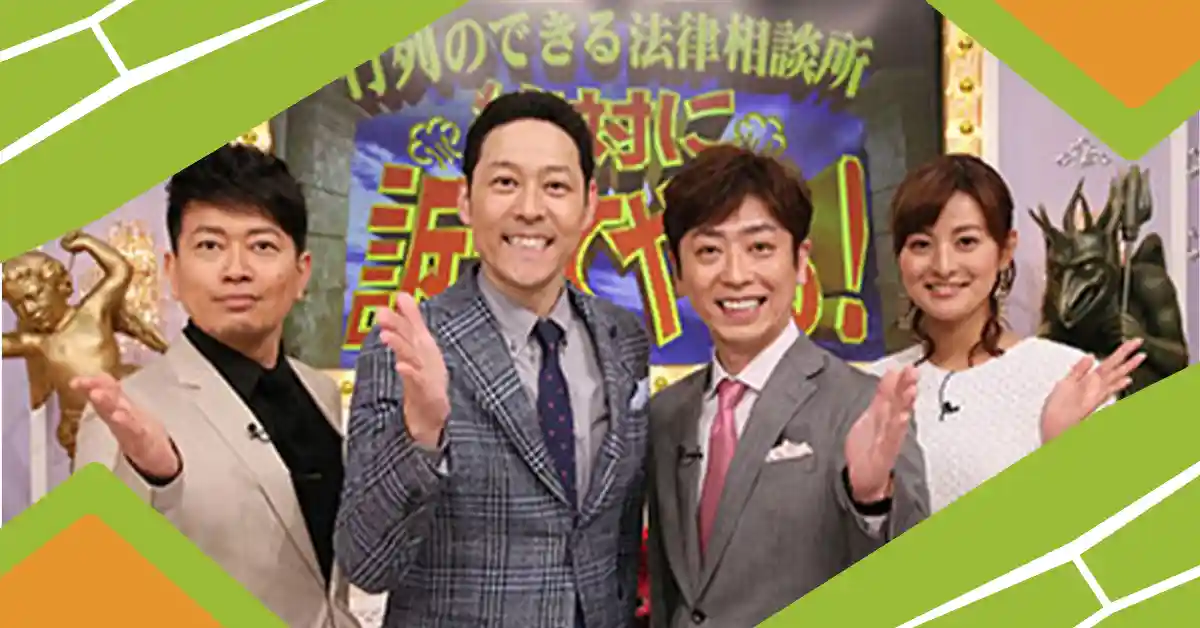
Japanese variety shows are a cultural phenomenon that have captured the hearts of viewers around the world. Unlike Western television, which often thrives on drama, conflict, and high-stakes storytelling, Japanese variety shows focus on joy, absurdity, and emotional engagement. With their unique combination of high-energy chaos, wholesome humor, and visually stimulating presentation, these shows offer a viewing experience that is both addictive and soothing.
In this article, we explore what makes Japanese variety shows so mesmerizing and how their approach differs from Western TV, while also analyzing key elements that contribute to their global appeal.
The Allure of Positive Chaos
At the heart of Japanese variety shows lies what many fans call “positive chaos.” Contestants often participate in wacky, surreal challenges ranging from oversized obstacle courses to bizarre quizzes that emphasize fun over competition. Unlike Western reality or game shows, which are designed around tension, rivalry, and emotional stakes, Japanese shows prioritize laughter, absurdity, and a sense of shared joy.
Reddit users frequently describe this as a “soothing escape” where viewers can unwind without focusing intently on every plot twist. The chaotic energy, colorful visuals, and spontaneous humor create an almost therapeutic environment, allowing audiences to immerse themselves in a lighthearted world.
By prioritizing feel-good content over conflict-driven drama, Japanese variety shows have carved out a niche that appeals to both casual viewers and dedicated fans. This unique formula has inspired international adaptations and viral online clips, demonstrating the global fascination with Japan’s approach to entertainment.
Reaction Boxes: Guiding Viewer Emotions
One of the most distinctive features of Japanese variety shows is the “reaction box” a small screen overlay featuring celebrity guests reacting live to the ongoing action. These reaction boxes provide emotional context and guidance, amplifying the humor, shock, or awe of each moment.
This approach contrasts sharply with Western TV, where viewers often form empathy gradually through narrative development. Reaction boxes create instant connection, making audiences feel as though they are experiencing events alongside familiar personalities. Laughter, surprise, or empathy becomes contagious, increasing engagement and enhancing the overall entertainment value.
For example, in shows like Gaki no Tsukai, reaction boxes amplify the absurdity of each stunt, ensuring that even viewers unfamiliar with the context can feel the emotional highs and lows in real time. The result is a highly engaging, shared experience that keeps audiences returning for more.
TelOp Overload: A Visual and Auditory Symphony
Another defining characteristic of Japanese variety shows is the extensive use of on-screen text, or TelOp (television opaque text). These overlays, combined with sound effects, animated icons, and subtitles, create a vibrant, sensory-rich viewing experience.
TelOp serves several purposes:
- Clarity for Multitaskers: Even if viewers glance at the screen briefly, they can understand what is happening.
- Enhanced Humor: Text and graphics highlight jokes, reactions, or absurd moments, intensifying comedic impact.
- Cultural Flavor: TelOp adds a distinct Japanese aesthetic, blending visual storytelling with playful commentary.
Unlike Western productions, which often assume undivided attention, TelOp caters to modern multitasking viewers. This strategy has been particularly effective in Japan, where busy lifestyles demand entertainment that can be appreciated in short bursts.
The Talento Phenomenon: Familiar Faces Everywhere
Central to Japanese variety shows is the “Talento” system. Talento are celebrities celebrated more for their unique personalities than specialized skills. They appear across game shows, talk shows, and commercials, creating a sense of familiarity and comfort for viewers.
In Western TV, stars often occupy specific niches actors stick to scripted series, comedians have stand-up routines, and musicians focus on performances. In contrast, Talento blur these lines, weaving a consistent presence across multiple formats.
This approach fosters an emotional bond with audiences. Every appearance feels like catching up with old friends, and their quirks, expressions, and signature reactions become part of the show’s charm. Viewers aren’t just watching content they’re interacting with personalities they know and love.
High-Energy Aesthetics and Production Style
Japanese variety shows are visually dynamic, often featuring higher frame rates and rapid editing that give the content a “live” and vibrant feel. The fast-paced style, combined with eclectic segments such as quizzes, stunts, and comedy skits, keeps viewers on their toes.
This high-energy presentation enhances the chaotic, unpredictable charm of the shows. The style contrasts with the polished, cinematic feel of Western TV, which often relies on slower pacing and carefully staged scenes. By embracing raw energy, Japanese shows make each segment exciting, engaging, and shareable.
Shows like Takeshi’s Castle or Ninja Warrior demonstrate this approach perfectly: unpredictable challenges, colorful visuals, and rapid reactions create a viewing experience that is both thrilling and emotionally satisfying.
The Global Appeal of Japanese Variety Shows
Japanese variety shows have not only dominated domestic audiences but have also gained international popularity. Their clips frequently go viral on social media platforms, with viewers drawn to the unique combination of absurdity, positivity, and immersive visual storytelling.
Several factors contribute to this global appeal:
- Relatable Humor: While the challenges may be bizarre, the human reactions are universal.
- Short, Digestible Segments: Even without understanding Japanese, the visual storytelling and reaction boxes make it easy to enjoy.
- Positive Energy: The shows offer a form of escapism, where viewers can experience joy without emotional strain.
This international interest has even inspired Western adaptations, such as Wipeout and Ninja Warrior, highlighting the universal fascination with Japan’s unique television philosophy.
Why Japanese Variety Shows Feel Like Comfort Food
Ultimately, Japanese variety shows are more than entertainment they’re a form of emotional nourishment. The combination of surreal challenges, reaction boxes, TelOp, Talento, and high-energy production creates an ecosystem designed to soothe, amuse, and engage simultaneously.
While Western television often emphasizes narrative tension and interpersonal drama, Japanese shows prioritize joy, chaos, and emotional connection. This philosophy transforms what could be overwhelming chaos into comforting, addictive entertainment that feels like a warm, absurd hug.
For viewers seeking positivity, laughter, and a respite from high-stakes drama, Japanese variety shows offer a unique, immersive experience. The genre’s global rise demonstrates that chaos, when carefully crafted, can be the ultimate comfort food for the mind and soul.
Conclusion
Japanese variety shows are a testament to the power of positivity, creativity, and emotional engagement. Through reaction boxes, TelOp, Talento, and high-energy production, they craft an experience that contrasts sharply with Western TV. Their surreal, joyous chaos, combined with intimate celebrity connections, provides viewers worldwide with an entertaining escape proving that happiness, humor, and absurdity can be as compelling as any drama or suspense.
Whether you’re watching for laughs, relaxation, or pure entertainment, Japanese variety shows offer a cultural experience unlike any other. They remind us that the best television doesn’t just tell a story it makes us feel, laugh, and return for more.