Why Japanese Remove Shoes Indoors: Cultural Traditions, Etiquette, and Practical Reasons
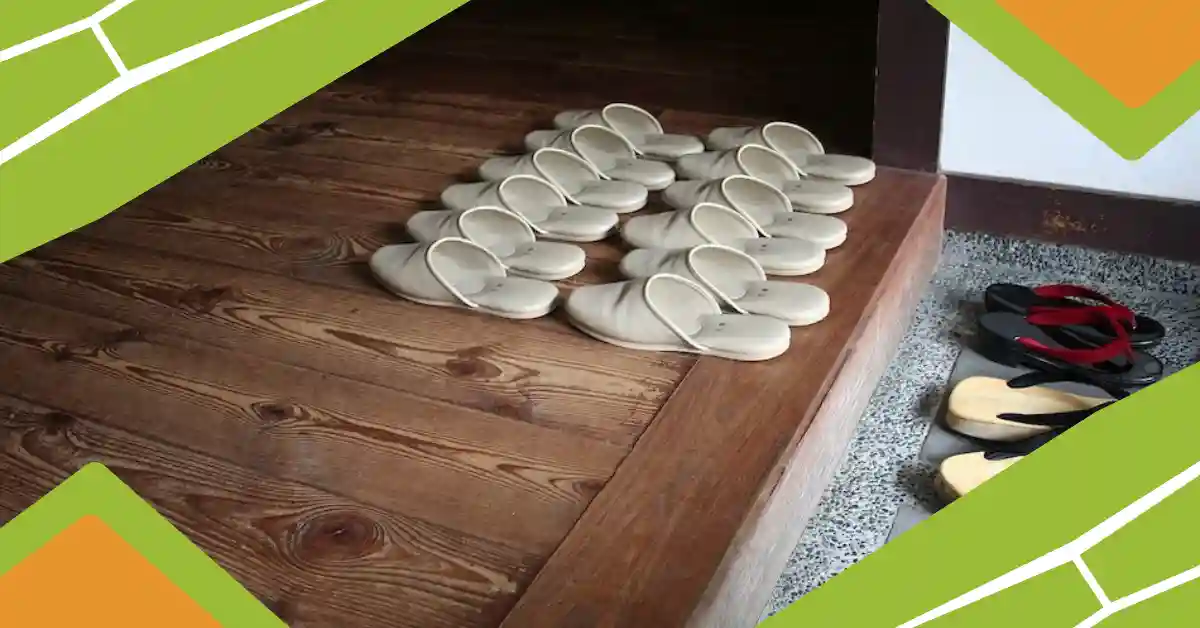
Stepping into a Japanese home, temple, or traditional inn, the first thing many visitors notice is the genkan the entryway where shoes are carefully removed before entering the main living space. For foreigners, this might seem unusual, but in Japan, removing shoes indoors is far more than a practical habit it is a profound cultural ritual rooted in history, spirituality, and social etiquette. Understanding why Japanese people remove shoes indoors everywhere reveals insights into Japan’s deep respect for cleanliness, harmony, and tradition.
The Historical Roots of Removing Shoes in Japan
The practice of removing shoes indoors in Japan dates back centuries and is closely tied to both practicality and spiritual beliefs. In feudal Japan, homes were built with delicate tatami mats, soft woven straw floors that could be easily damaged by dirt and mud. Streets were often muddy or dusty, and shoes were considered carriers of impurity from the outside world. By removing shoes at the entrance, households preserved the cleanliness of their living spaces and protected these precious flooring surfaces.
This custom also reflects Shinto beliefs, where purity and cleanliness are central to daily life. Just as priests purify themselves before approaching sacred altars, removing shoes symbolizes leaving the unclean outside and entering a space of calm and sanctity. The genkan, a lowered entryway, evolved as a symbolic threshold where one literally and figuratively sheds the chaos of the outer world and steps into an ordered, clean, and harmonious home.
The Genkan: Japan’s Cultural Threshold
The genkan is more than a practical space for shoes; it is a cultural ritual in itself. Typically, it is a slightly lowered area at the entrance where shoes are removed, aligned neatly with toes pointing outward, and sometimes replaced with indoor slippers. The genkan acts as a pause a moment of transition that separates the bustling outside from the serene inside. For guests, it is an invitation to participate in this long-standing tradition, a gesture that subtly communicates respect and awareness of Japanese norms.
Even today, despite urbanization and modern flooring materials, the genkan remains a fixture in over 70% of Japanese homes. Its presence underscores how deeply ingrained the practice of removing shoes is in Japanese society, extending beyond private homes to schools, temples, ryokan inns, hot springs, and even certain restaurants.
Spiritual and Hygienic Dimensions
While the historical and practical aspects of removing shoes are clear, there is also a spiritual and hygienic dimension to the practice. In Shintoism and Japanese cultural philosophy, the idea of purity is central. Shoes that have walked through streets, mud, and dirt carry impurities from the outside. By leaving them at the threshold, the home is preserved as a clean and sacred space, protecting not only physical health but also the spiritual integrity of the household.
Hygiene is another key factor. Japan has a long-standing emphasis on cleanliness, seen in meticulous personal grooming, street cleaning, and bathing culture. Removing shoes indoors minimizes the spread of bacteria and allergens, ensuring living spaces remain hygienic. Public spaces often provide slippers, particularly in bathrooms, reinforcing the belief that floors indoors are meant to be touched only with clean feet.
Everyday Life and Cultural Continuity
Removing shoes indoors is not confined to special occasions; it is a part of everyday life. Families, students, and professionals practice this habit as a norm. In schools, children leave outdoor shoes in designated areas, switching to indoor slippers. Many offices with traditional interiors encourage the practice as well. Even casual visits to friends’ homes involve slipping off shoes at the genkan, reflecting a subtle, shared understanding of mutual respect and cleanliness.
This continuity bridges the past and present, connecting modern Japanese society with centuries-old traditions. The act of removing shoes links the mundane to the ceremonial it transforms a simple daily task into a ritual that reinforces cultural identity, social harmony, and personal mindfulness.
Etiquette and Best Practices
For visitors, understanding the etiquette around removing shoes indoors is essential to fully participate in Japanese culture. Here are key points to observe:
- Clean Socks: Ensure socks are hole-free and presentable, as they will be visible indoors. Socks often serve as a polite intermediary between bare feet and tatami floors.
- Neat Shoe Arrangement: Align shoes neatly, toes pointing outward, in the genkan. A disorganized arrangement is considered impolite.
- Indoor Slippers: Many homes and ryokan inns provide slippers. Wear them respectfully, but remove them when stepping onto tatami mats. Bare feet are generally discouraged on tatami to protect the delicate material.
- Observing Cues: Watch for subtle signs from hosts like a step-up from the genkan floor or clustered shoes and follow their lead. This shows awareness and respect for the household’s customs.
By following these practices, visitors not only preserve cleanliness but also participate in a culturally meaningful ritual that strengthens bonds and conveys humility.
Extending the Practice to Public Spaces
The Japanese devotion to removing shoes extends beyond private homes. Traditional ryokan inns maintain this practice to protect tatami rooms and preserve a sense of intimacy. Temples and Shinto shrines often ask visitors to remove shoes as a form of spiritual respect, emphasizing ritual purity. Even in urban settings, many public spaces, schools, and certain restaurants uphold the norm, signaling the enduring cultural importance of this practice.
Interestingly, some public toilets provide vinyl slippers for indoor use, highlighting Japan’s meticulous attention to hygiene. This approach ensures that even transient spaces adhere to the principle of keeping the indoors separate from the outdoors.
Cultural Significance: Beyond Cleanliness
Removing shoes in Japan is more than a practical or hygienic measure; it carries profound cultural significance. The ritual embodies:
- Respect for Others: By keeping homes clean, residents show consideration for family members and guests.
- Mindfulness: The pause at the genkan encourages reflection, reminding people to leave the stress and distractions of the outside world behind.
- Social Harmony: Uniform participation in this practice fosters a sense of shared norms, creating a cohesive and polite society.
- Connection to Tradition: It preserves centuries-old practices, reinforcing cultural identity across generations.
In this sense, the simple act of removing shoes is a small but powerful ritual that expresses respect, care, and mindfulness values deeply embedded in Japanese life.
Conclusion: A Timeless Japanese Tradition
The Japanese custom of removing shoes indoors is an elegant blend of practicality, spirituality, and social etiquette. From protecting tatami mats to embodying Shinto concepts of purity, from ensuring hygiene to fostering harmony and respect, the practice is a daily ritual with layers of meaning. Visitors who observe this tradition not only help maintain cleanliness but also participate in a centuries-old cultural tapestry that celebrates mindfulness, hospitality, and mutual respect.
Whether entering a home, temple, ryokan, or school, stepping into the genkan and removing shoes is an invitation: to leave the outside world behind, embrace simplicity, and experience the serene, respectful essence of Japanese life.
Also Read: Etiquette in Japan ‘Meiwaku’: A Complete Guide to Respectful Travel