Why Homes Are Rebuilt Instead of Passed Down: A Look Into Japanese Housing Culture
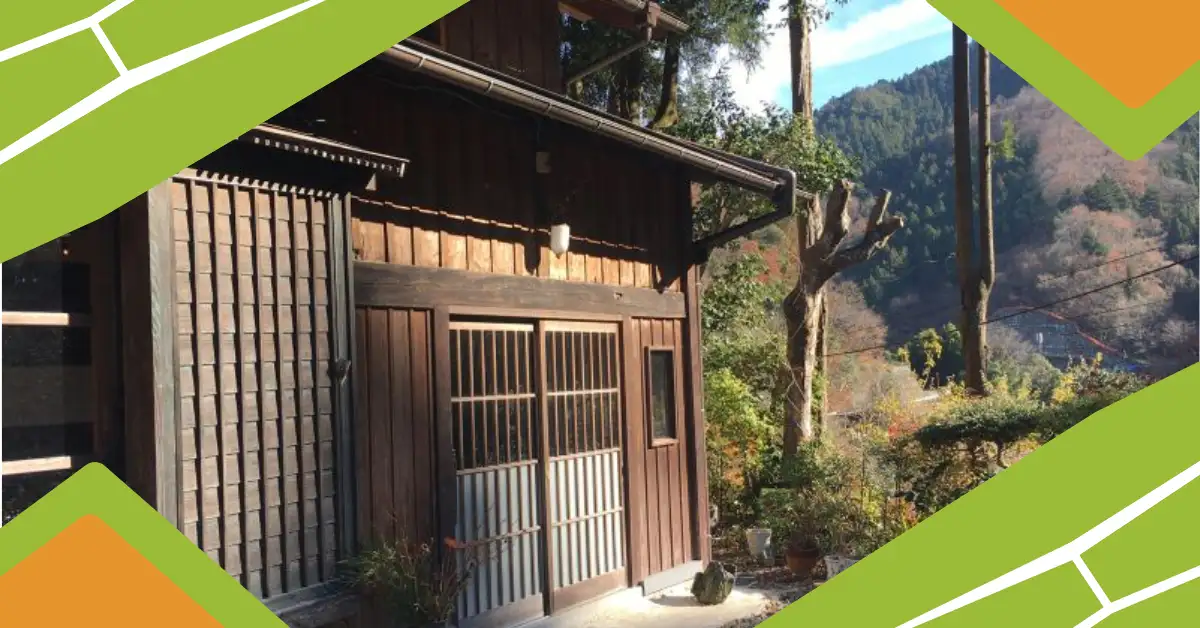
In many countries, homes are cherished family heirlooms passed down from generation to generation. In Japan, however, the opposite is often true. Houses are rebuilt every few decades rather than preserved indefinitely. This practice may seem unusual to outsiders, but it reflects a combination of practical, cultural, and environmental factors. Understanding why homes are rebuilt instead of passed down provides insight into Japanese lifestyle, architecture, and values.
Natural Challenges and Longevity
Japan is a country prone to natural disasters, including earthquakes, typhoons, and heavy rainfall. Traditional wooden homes, while beautiful and flexible, are vulnerable to structural damage over time. Earthquakes in particular make older houses less safe, prompting families to rebuild rather than risk living in an unstable home.
Additionally, wooden structures naturally degrade faster than concrete or steel buildings. Maintaining old homes can be costly and labor-intensive. Rebuilding is often the safer and more practical solution for long-term living.
Changing Family Needs
Homes are rebuilt to accommodate evolving family structures and lifestyles. Traditional homes were designed for multigenerational living, with large tatami rooms and shared bathrooms. Modern families may need fewer bedrooms, modern kitchens, or home offices.
By rebuilding, families can create spaces that meet their current needs rather than adapting an older structure. This approach reflects a cultural emphasis on functionality and comfort over inheritance.
Land Ownership Over Building Legacy
In Japan, land is often valued more than the house itself. Real estate prices in urban areas remain high, and land retains value even if the building is demolished. Families often rebuild a new, efficient home on the same land rather than maintain an aging structure that requires constant repairs.
This focus on land value encourages cycles of rebuilding instead of preserving older houses. Homes are seen as adaptable rather than permanent symbols.
Cultural and Aesthetic Considerations
Japanese culture values cleanliness, order, and simplicity. Older homes may have outdated designs, inefficient layouts, or visible wear that affects both aesthetics and livability. Rebuilding allows for modern materials, energy efficiency, and contemporary design.
There is also a cultural acceptance of impermanence. The philosophy of wabi-sabi, which finds beauty in transience, makes rebuilding a natural choice rather than wasteful.
Environmental and Practical Efficiency
Rebuilding homes provides opportunities to improve energy efficiency and earthquake resistance. Modern materials, insulation, and building codes create safer and more comfortable living environments. Demolishing old structures and constructing new ones can reduce long-term maintenance costs and environmental impact when done responsibly.
Conclusion: Understanding the Cycle
In Japan, homes are rebuilt instead of passed down for practical, cultural, and environmental reasons. Safety, changing family needs, land value, and aesthetic preferences all play a role. This approach emphasizes flexibility, adaptation, and harmony with both nature and modern life.
Japanese society views homes as evolving spaces that reflect the needs of each generation while maintaining a connection to the land and community. The cycle of rebuilding is practical and deeply aligned with cultural values.