Where Design Meets Nature: The Story of Sanu’s Modular Retreats
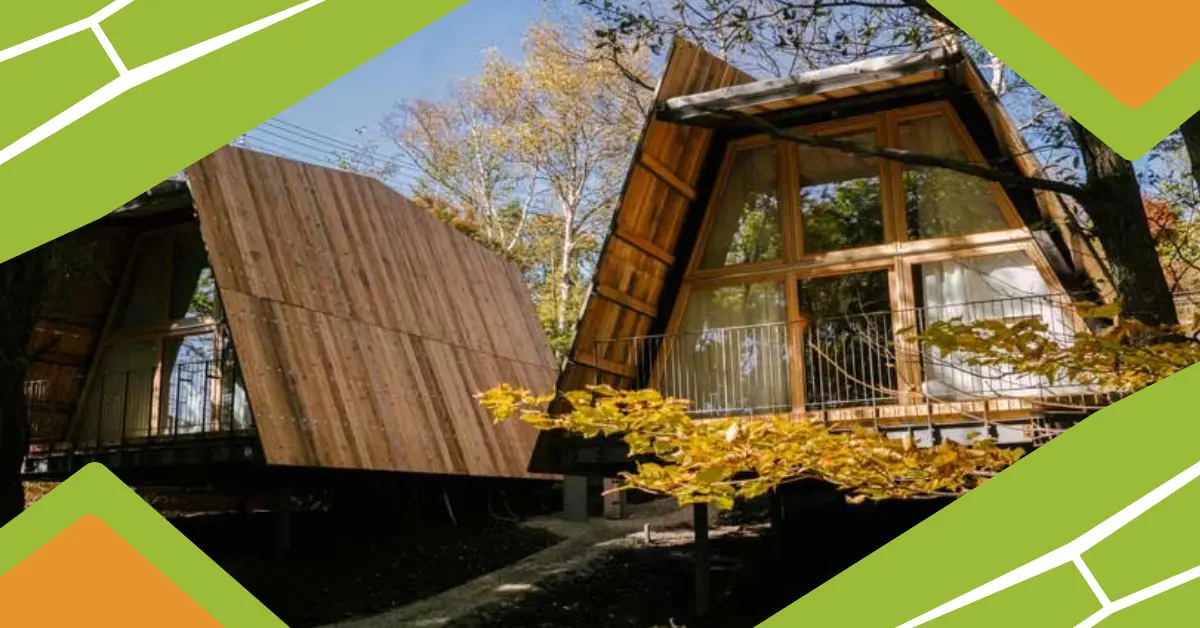
In a world where urban living dominates and space is at a premium, Sanu’s modular retreats offer a refreshing alternative. Combining thoughtful design with a deep respect for nature, these retreats create environments where simplicity, comfort, and sustainability coexist. Every module is designed to blend seamlessly with its surroundings, reflecting a philosophy where architecture does not dominate the landscape but complements it.
Sanu’s modular retreats are not just buildings, they are experiences. They provide a chance to reconnect with the natural world, enjoy minimalist living, and embrace a slower, more mindful lifestyle.
The Philosophy Behind Modular Living
At the heart of Sanu’s designs is a belief that living spaces should adapt to both people and nature. Modular construction allows for flexibility, scalability, and customization. Each retreat is made up of individual units that can be arranged according to the landscape, client needs, or seasonal considerations.
This approach challenges conventional architecture by emphasizing function without compromising aesthetics. Every line, angle, and material is carefully chosen to create harmony between human habitation and the surrounding environment. The goal is not just to provide shelter but to foster a sense of peace, connection, and inspiration.
Design Inspired by Nature
Nature is more than a backdrop for Sanu’s retreats, it is the guiding principle. Materials are chosen for their natural texture, durability, and minimal environmental impact. Wood, stone, and other organic materials feature prominently, creating a tactile connection to the outdoors. Large windows and open layouts invite natural light and allow residents to feel immersed in their surroundings.
Landscaping is integral to the design, not an afterthought. Trees, gardens, and water features are incorporated into the modular layout, creating a seamless flow between indoor and outdoor spaces. This emphasis on nature aligns with Japanese architectural traditions, where simplicity, seasonal awareness, and harmony with the environment are central.
Sustainability at the Core
Sanu’s modular retreats embrace sustainability in every aspect. Prefabricated modules reduce construction waste, while energy-efficient designs minimize environmental impact. Solar panels, rainwater harvesting systems, and passive ventilation ensure that the retreats are not only beautiful but also eco-conscious.
By using sustainable materials and methods, Sanu demonstrates that modern design and environmental responsibility can coexist. This philosophy appeals to those seeking mindful living without sacrificing comfort or style.
Flexibility and Personalization
One of the most unique aspects of Sanu’s retreats is their flexibility. Modules can be expanded, reduced, or reconfigured as needs change. This allows residents to adapt the space to their lifestyle, whether it’s a seasonal getaway, a permanent residence, or a workspace immersed in nature.
Customization goes beyond layout. Interior finishes, furniture, and storage solutions can be tailored to create a personalized environment that suits both function and aesthetic preference. This adaptability reflects a growing trend toward modular and minimalist living in a world where flexibility is increasingly valued.
A Retreat for the Mind and Body
Sanu’s designs are about more than architecture, they are about well-being. Open layouts, natural light, and direct access to outdoor spaces create environments conducive to relaxation and reflection. Residents can enjoy quiet mornings with the sunrise, work in serene surroundings, or simply unwind while surrounded by greenery.
This combination of design and nature nurtures mental clarity and emotional balance. By simplifying the built environment and integrating natural elements, Sanu’s retreats allow individuals to focus on what matters most: health, creativity, and presence.
The Global Appeal
Although inspired by Japanese design principles, Sanu’s modular retreats have global relevance. They appeal to urban dwellers seeking a connection to nature, travelers looking for sustainable accommodation, and anyone interested in minimal, functional, and beautiful living spaces.
The retreats have inspired a broader conversation about how design can shape lifestyles, encouraging architects and homeowners to think beyond traditional structures and embrace adaptable, nature-centric solutions.
Conclusion: Where Design and Nature Converge
Sanu’s modular retreats demonstrate that living spaces can be both functional and inspiring. By combining innovative modular construction with thoughtful design and environmental mindfulness, these retreats create a new standard for how we interact with our surroundings.
In Sanu’s vision, architecture is not just a shelter, it is a way to reconnect with nature, foster mindfulness, and experience life more fully. In every retreat, residents are reminded that thoughtful design can elevate everyday living and harmonize beautifully with the natural world.