Top Viral Japanese Foods of 2026: From Dubai Choco Mochi to Mala Tang
In 2026, viral Japanese foods are reshaping global food culture as social media platforms continue to turn traditional dishes into international sensations. From dessert innovations like Dubai Choco Mochi to spicy street-style hybrids such as Mala Tang-inspired bowls, Japan’s culinary influence is evolving faster than ever, blending authenticity with modern digital-age creativity.
The rise of food-focused short videos, ASMR eating trends, and cross-border collaborations has pushed Japanese cuisine into a new era where aesthetics, storytelling, and flavor innovation matter just as much as tradition. This article explores the most talked-about Japanese food trends of 2026 and why they are dominating search engines, TikTok feeds, and global restaurant menus.
The Rise of Digital-First Japanese Food Trends in 2026
The transformation of Japanese cuisine into viral content is not accidental. It is the result of a perfect storm: visual storytelling, globalization of taste, and experimental chefs who understand internet culture. In 2026, food is no longer just consumed it is experienced, recorded, and shared within seconds.
One of the biggest drivers behind this movement is the fusion of traditional Japanese ingredients with global flavors. Chefs in Tokyo, Osaka, and even overseas Japanese-inspired restaurants are experimenting with textures, colors, and plating styles designed specifically for online virality.
Some key characteristics defining modern viral Japanese dishes include:
- High visual appeal with layered textures and glossy finishes
- Fusion of sweet, spicy, and umami flavors in a single dish
- Short preparation videos optimized for social media platforms
- Limited-edition menu drops that create urgency and exclusivity
This trend has also blurred cultural boundaries. For example, Japanese convenience store desserts now compete with high-end patisserie creations, while ramen variations are being reimagined with global spice profiles.
The result is a food culture that is no longer static, it is constantly evolving based on what captures attention online.
Iconic Viral Dishes Redefining Japanese Cuisine
At the heart of 2026’s food wave are several standout creations that have taken over search trends and social media feeds. Among them, Dubai Choco Mochi has emerged as one of the most talked-about desserts of the year.
Dubai Choco Mochi: The Luxury Fusion Dessert
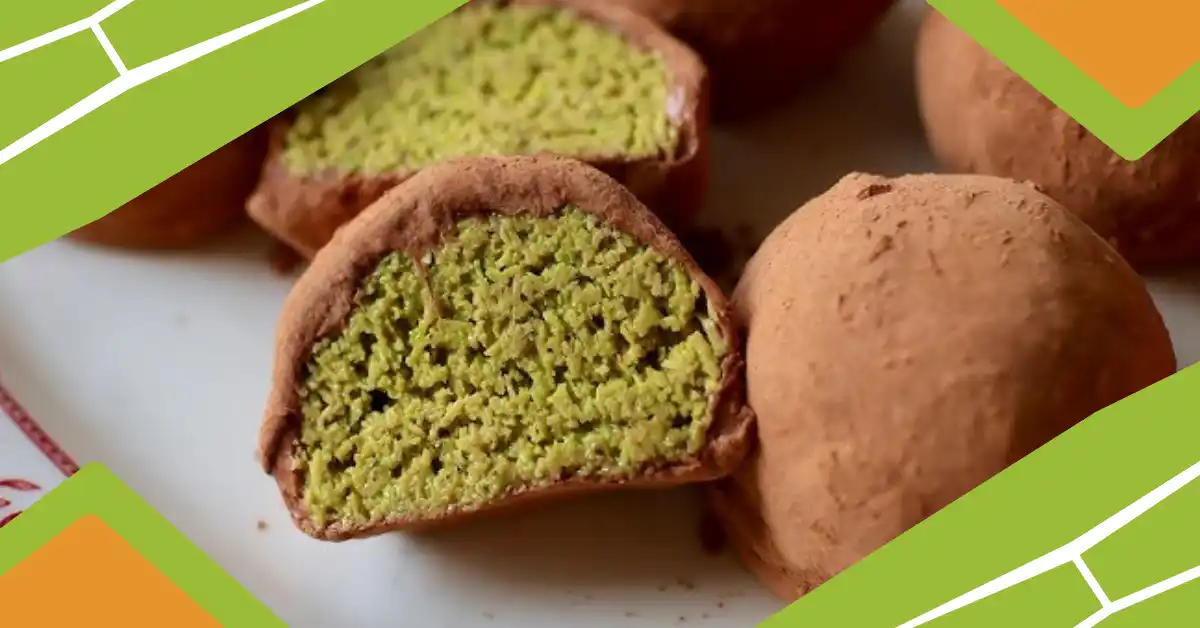
Dubai Choco Mochi combines the chewy texture of traditional Japanese mochi with the indulgent richness of Middle Eastern-inspired chocolate fillings. Often coated in edible gold dust or filled with pistachio cream, this dessert represents the global fusion trend perfectly.
Its popularity comes from its sensory appeal, stretchy mochi skin, molten chocolate centers, and glossy finishes make it ideal for slow-motion food videos. Cafés in Tokyo and Dubai alike are now competing to create the most extravagant versions of this dessert, often adding ingredients like matcha truffle, yuzu ganache, or even caramelized miso.
Mala Tang-Inspired Japanese Bowls
Another surprising entrant in the Japanese viral food scene is the adaptation of spicy broth-based dishes inspired by Chinese street food culture. Mala Tang has influenced Japanese chefs to create hybrid noodle bowls featuring customizable spice levels, wagyu beef slices, tofu puffs, and seasonal vegetables.
These bowls are particularly popular among younger audiences who crave heat-driven flavor experiences. The interactive nature of selecting ingredients and spice intensity has made them highly shareable online, especially in “build-your-bowl” video formats.
Other Trending Japanese Food Innovations
While Dubai Choco Mochi and spicy fusion bowls dominate headlines, several other creations are contributing to the global buzz:
- Cloud-like soufflé pancakes with seasonal fruit foam
- Matcha-infused savory burgers with rice buns
- Transparent dashi ramen served in crystal-clear broth
- Sushi donuts topped with edible flowers and microgreens
These dishes are designed not only for taste but also for visual storytelling, ensuring they perform well in algorithm-driven platforms like Instagram Reels and TikTok.
Together, these innovations define what modern audiences now recognize as viral Japanese foods in 2026.
Why Japanese Food Continues to Dominate Global Virality
Japanese cuisine has always had a strong global presence, but its dominance in the digital food space has intensified in recent years. The reason lies in its natural compatibility with visual media and its balance of simplicity and refinement.
Unlike many cuisines that rely heavily on complex plating or heavy sauces, Japanese food often emphasizes clarity, color contrast, and minimalism. This makes it ideal for high-engagement content where viewers make split-second decisions about what to watch, like, or share.
In addition, Japanese chefs have embraced global collaboration more openly than ever before. Pop-up restaurants in cities like London, New York, and Singapore are now co-creating menus with international chefs, blending local ingredients with Japanese techniques.
Another key factor is emotional storytelling. Many viral dishes are tied to seasonal traditions, nostalgia, or regional identity. For example, limited-edition sakura-themed desserts released in spring often sell out within hours due to their cultural symbolism and visual appeal.
Even convenience food has entered the spotlight. Japanese convenience stores are now releasing premium onigiri, gourmet bento boxes, and experimental desserts designed specifically for social media virality.
The Future of Viral Japanese Foods and Global Fusion Cuisine
Looking ahead, the evolution of viral Japanese foods will likely continue to push the boundaries of culinary creativity. The focus is shifting from simple novelty to immersive food experiences that combine taste, texture, and digital interaction.
One emerging trend is augmented reality dining, where menus come alive through smartphone cameras, allowing users to see animated food stories before ordering. Another is AI-assisted recipe development, where chefs use data from social media trends to design dishes that maximize engagement potential.
Sustainability is also becoming a central theme. Many viral dishes are now being designed with plant-based alternatives, locally sourced ingredients, and low-waste preparation methods, reflecting the growing demand for ethical dining experiences.
Most importantly, fusion will remain at the core of innovation. Whether it is Japanese desserts influenced by Middle Eastern luxury ingredients or spicy noodle bowls inspired by cross-border street food culture, the boundaries of cuisine will continue to blur.
In this evolving landscape, what makes a dish go viral is no longer just flavor, it is the ability to tell a story in a matter of seconds.
As we move deeper into 2026, it is clear that Japanese cuisine will remain at the center of global food innovation, continuously reinventing itself for a world that eats with its eyes first and its curiosity second.
The ongoing popularity of viral Japanese foods reflects a larger cultural shift where food is no longer confined to geography but is instead shaped by digital culture, creativity, and global collaboration.