Urban Living in Japan: Small Spaces, Big Ideas for Modern City Apartment Design
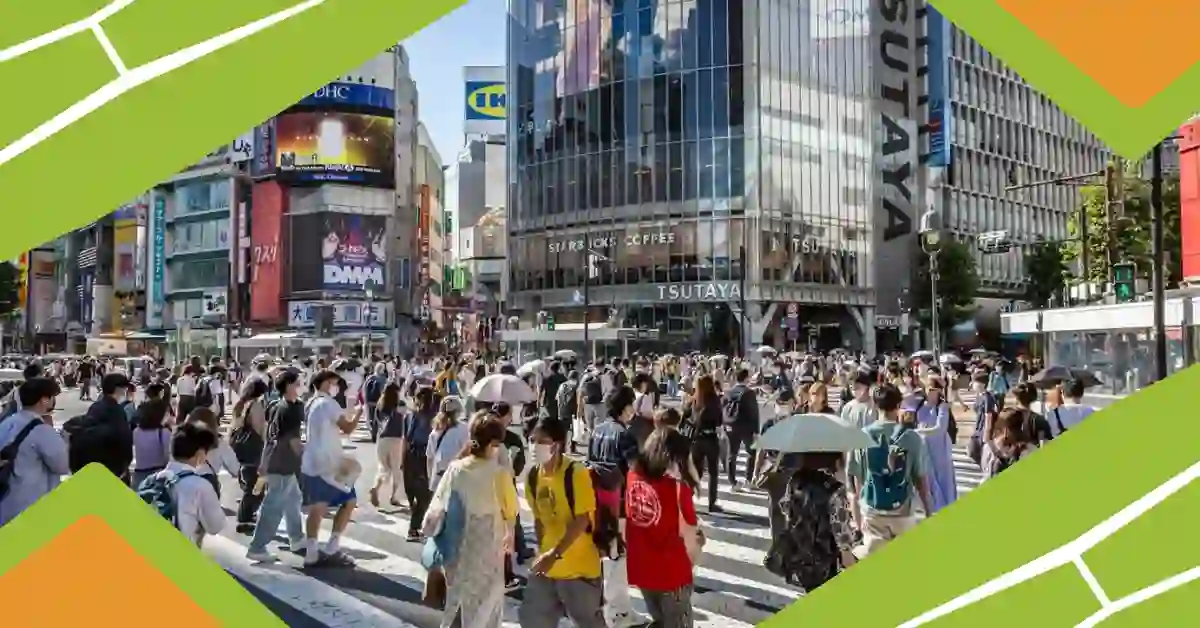
Urban living in Japan has become a global reference point for innovative housing design, where limited space meets exceptional creativity, efficiency, and functionality. In densely populated cities like Tokyo, Osaka, and Yokohama, apartments are often compact, yet they deliver an impressive standard of comfort, aesthetics, and smart living solutions that influence architecture worldwide.
This unique approach to city life is not just about adapting to smaller homes; it is about rethinking how space is used, experienced, and optimized. As urban populations continue to grow globally, Japan’s model of compact living offers valuable insights into sustainable, stylish, and highly functional apartment design.
The Philosophy Behind Compact Urban Living in Japan
At the heart of Japanese apartment design is a deep cultural and practical understanding of space efficiency. Land scarcity in major cities has shaped a design philosophy that prioritizes purpose, minimalism, and adaptability. Rather than viewing small homes as a limitation, designers and residents see them as an opportunity to innovate.
In many modern Japanese apartments, every square meter is intentionally designed. Walls may serve multiple functions, furniture is often modular, and storage is seamlessly integrated into structural elements. This mindset reflects a broader cultural value: living with less, but living better.
The influence of minimalism is also central. Inspired by traditional aesthetics such as wabi-sabi, which values simplicity and imperfection, interiors often focus on clean lines, neutral tones, and uncluttered environments. This creates a sense of calm even in the busiest metropolitan settings.
More importantly, this philosophy extends beyond aesthetics. It is a practical response to urban density, high real estate prices, and the need for efficient daily living. Residents are encouraged to maximize usability rather than square footage, which has led to some of the most creative residential design solutions in the world.
Smart Space-Saving Design Strategies in Urban Apartments
One of the most remarkable aspects of compact city homes is the intelligent use of space-saving techniques. Designers in Japan have mastered the art of making small apartments feel significantly larger and more functional than they actually are.
A defining feature is multifunctional furniture. Beds that fold into walls, tables that double as storage units, and sofas that transform into workstations are common in modern apartments. These adaptable elements allow residents to shift their living environment based on time of day or activity.
Another key strategy is vertical space utilization. Instead of expanding outward, Japanese apartment design expands upward. Tall shelving units, lofted sleeping areas, and overhead storage compartments help free up floor space while maintaining organization and accessibility.
Minimal partitions are also widely used. Rather than dividing rooms with solid walls, designers often use sliding doors or movable panels. This creates flexible layouts that can be adjusted depending on privacy needs or social situations.
Some of the most common space-saving ideas include:
- Foldable or retractable furniture for multi-purpose use
- Built-in storage beneath floors, beds, and stairs
- Sliding walls to transform room layouts instantly
- Compact kitchen systems with integrated appliances
These solutions not only optimize space but also enhance the overall flow of the home. Even in apartments as small as 20–30 square meters, residents can enjoy a fully functional living environment without feeling restricted.
Lighting also plays a crucial role. Natural light is maximized through strategic window placement, while artificial lighting is carefully layered to create depth and warmth. This helps prevent small spaces from feeling enclosed or cramped.
Technology and Innovation in Modern Japanese Apartments
Technology is another driving force behind modern urban housing design. Smart home systems are increasingly integrated into compact apartments, allowing residents to control lighting, temperature, and security through mobile devices or voice assistants.
Space efficiency is further enhanced through automated furniture systems. For example, some apartments feature beds that retract into ceilings or kitchens that fold away completely when not in use. These innovations allow a single room to serve multiple purposes throughout the day.
Energy efficiency is also a priority. Many buildings incorporate eco-friendly materials, advanced insulation, and energy-saving appliances. This aligns with Japan’s broader sustainability goals and helps reduce both environmental impact and utility costs.
In addition to functionality, aesthetics remain important. Designers carefully balance technology with natural elements such as wood, bamboo, and indoor greenery. This creates a harmonious environment that feels both modern and grounded.
Urban planners and architects continue to experiment with micro-apartment developments, co-living spaces, and modular housing units. These evolving concepts reflect a growing demand for flexible and affordable housing solutions in major cities.
Blending Aesthetics with Everyday Functionality
While efficiency is essential, beauty is never sacrificed in Japanese apartment design. Interiors are often thoughtfully curated to maintain a sense of harmony and tranquility. Neutral color palettes dominate, with soft whites, earthy tones, and natural textures creating a calming atmosphere.
The concept of “ma,” or intentional negative space, is also significant. Instead of filling every corner, designers allow empty space to exist as part of the overall composition. This enhances visual balance and reduces sensory overload, which is especially important in fast-paced urban environments.
Storage is seamlessly integrated into design elements, ensuring that functionality does not disrupt visual appeal. Closets blend into walls, kitchen appliances are concealed behind panels, and furniture often doubles as décor.
Even in compact layouts, personalization is encouraged. Residents often incorporate small decorative elements such as plants, artwork, or handcrafted items that reflect individual identity without overwhelming the space.
The Social and Cultural Impact of Compact Living
The rise of compact housing has also influenced social behavior and lifestyle choices. With less physical space, residents tend to spend more time outside their homes, engaging with public spaces, cafés, and community hubs. This has strengthened urban social networks and contributed to vibrant neighborhood cultures.
Additionally, the efficiency of Japanese apartments encourages mindful consumption. People are more selective about the items they own, leading to less clutter and more intentional living. This shift has had a positive impact on sustainability and waste reduction.
In a broader sense, urban living in Japan demonstrates how cities can evolve to accommodate growing populations without sacrificing quality of life. It challenges traditional notions of space and encourages a more adaptive, resourceful approach to housing design.
The Future of Urban Housing in Japan
As cities continue to grow and global urbanization accelerates, Japan’s approach to compact living is gaining international attention. Architects and urban planners around the world are studying Japanese design principles to address similar challenges in their own cities.
Future developments are likely to focus on even greater flexibility, with modular buildings that can be reconfigured based on changing needs. Artificial intelligence, robotics, and smart infrastructure will further enhance efficiency and convenience in small living spaces.
Sustainability will also play a central role. Energy-efficient systems, recyclable materials, and eco-conscious construction methods will become standard features in next-generation apartments.
Despite technological advancements, the core philosophy will remain unchanged: maximizing quality of life within minimal space.
Conclusion
The evolution of compact housing offers a powerful lesson in creativity and adaptability. From multifunctional furniture to intelligent design systems, every aspect of modern apartments reflects a deep understanding of how people live in densely populated environments.
Ultimately, urban living in Japan is not just a housing trend it is a lifestyle philosophy that continues to influence global architecture and urban planning. By embracing simplicity, functionality, and innovation, it shows that even the smallest spaces can deliver comfort, beauty, and possibility.
As cities worldwide look for solutions to housing challenges, the ideas born from Japan’s urban landscape will remain a leading source of inspiration for years to come.
Also Read: Capsule Hotels and Modern Housing in Japan: Innovation, Design, and Urban Living