The Wild and Unpredictable World of Japanese Game Shows
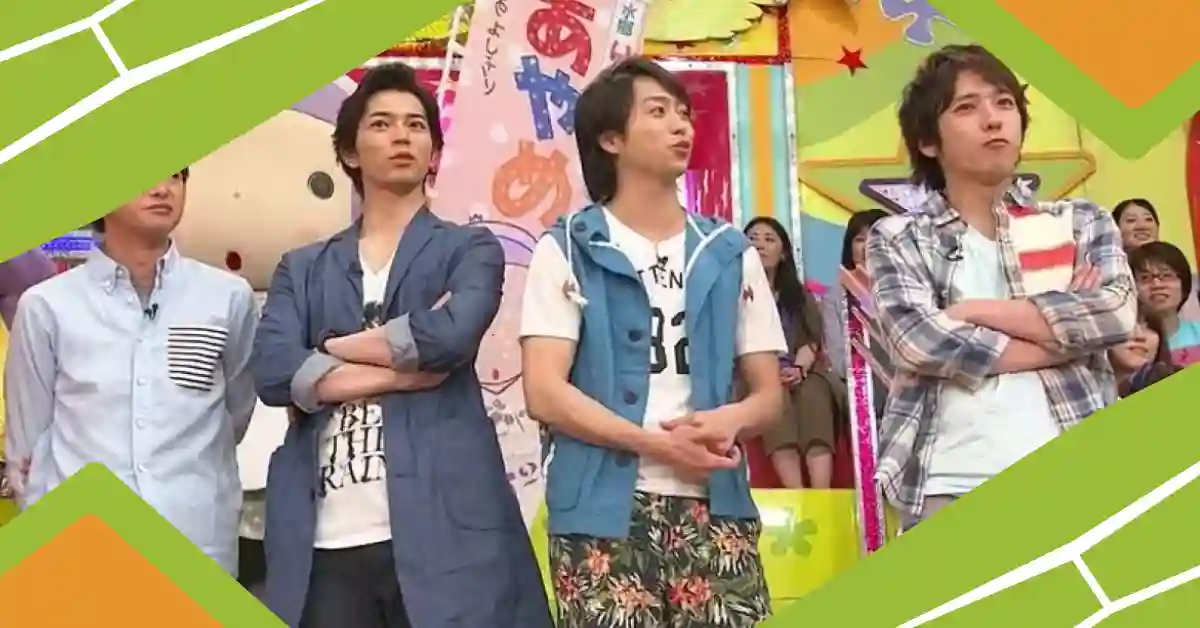
Japanese game shows are legendary for their wild, unpredictable chaos, programs that transform ordinary contestants into instant viral sensations through outrageous stunts, messy mishaps, and comedic extremes. Unlike Western game shows, which often focus on knowledge quizzes, high-stakes prizes, or carefully scripted drama, Japanese television thrives on physical comedy, absurd challenges, and reactions pushed to cartoonish extremes. The result is a unique brand of entertainment that is as baffling as it is hilarious, drawing audiences from around the globe who revel in the spectacle of human unpredictability.
From Humble Beginnings to Global Fame
The roots of Japanese variety television trace back to the 1950s, when local networks began adapting Western game show formats. Initially, these programs mirrored the structure of American quiz shows, but by the 1980s and 1990s, Japanese producers were innovating in ways no other country had attempted. In a fiercely competitive media market with countless channels, creators realized that to stand out, they had to make shows bigger, bolder, and often downright absurd. This drive for attention led to the creation of programs like Takeshi’s Castle, where contestants navigate impossible obstacle courses, dodge giant foam hammers, and risk spectacular wipeouts for the thrill of it.
At the heart of these programs is the cultural concept of gaman, a principle of perseverance and enduring hardship with dignity. By putting contestants in physically and emotionally challenging situations, the shows both test and celebrate human resilience. While viral clips of contestants flailing in slime-filled pits often contribute to the stereotype of “crazy Japan,” insiders recognize the careful balance between absurdity and calculated entertainment.
The Anatomy of a Japanese Game Show
What makes Japanese game shows so addictive and unforgettable is their unique combination of spectacle, humor, and unpredictability. Three elements stand out:
1. Brutal Physical Challenges
Physical comedy dominates many Japanese game shows. Contestants often face grease-slicked obstacle courses, towering slides, and giant inflatable mazes designed for maximum chaos. Some challenges resemble human bowling alleys or feature elaborate setups that ensure a spectacular fall. The payoff is both visual and emotional, viewers experience the thrill and pain of failure in real-time, often laughing along with the contestants’ dramatic reactions. These challenges are designed not just to entertain but to create a sense of shared suspense, everyone is rooting for the underdog, even as they stumble spectacularly.
2. Gross-Out Games and the Shock Factor
Beyond slapstick, Japanese game shows excel at bizarre, sometimes stomach-churning games. Popular segments like Candy or Not Candy? put contestants’ courage to the test as they bite into mysterious items, unsure whether they’re treats or wriggling creatures. These challenges transform revulsion into laughter, turning discomfort into a communal spectacle that appeals to both curiosity and empathy. The thrill lies in watching ordinary people confront extraordinary or disgusting circumstances, a formula that keeps audiences coming back for more.
3. Over-the-Top Hosts
No Japanese game show is complete without its eccentric host. These personalities amplify every fall, scream, and mistake with exaggerated gestures, mock outrage, and relentless energy. Their role is crucial, they turn mishaps into comedic highlights, ensuring that every failure becomes a shared experience of amusement. The hosts’ ability to manipulate the audience’s emotions, whether through suspense, shock, or sheer absurdity, creates a unique bond between viewer and show, making each episode a rollercoaster of hilarity.
Misunderstood by the Outside World
International audiences often misinterpret Japanese game shows as cruel or humiliating. Viral clips focusing on contestants in messy, painful, or bizarre situations can paint a misleading picture of the culture. Yet, in Japan, these shows are widely regarded as lighthearted escapes from the pressures of daily life. They provide a socially sanctioned space to laugh, scream, and experience chaos in a controlled environment.
While extreme outliers exist, shows like Susunu! Denpa Shonen, infamous for extreme isolation stunts, were eventually canceled, most programs operate within clear boundaries. Participants volunteer knowing the risks, and production teams carefully stage events to maximize entertainment without causing lasting harm. For locals, this combination of absurdity and safety makes these shows a beloved form of escapism rather than a tool of humiliation.
Global Influence and Enduring Popularity
Japanese game shows have left a lasting imprint on international entertainment. Programs such as Wipeout, Ninja Warrior, and countless viral YouTube compilations owe their existence to Japan’s fearless experimentation with spectacle. The universal appeal lies in their ability to celebrate human failure, viewers are drawn to the resilience, courage, and hilarity that emerge when ordinary people confront extraordinary situations.
Even decades after their peak popularity in Japan, these shows continue to inspire creators worldwide. The blend of slapstick, suspense, and creativity demonstrates that entertainment need not always be polished or predictable. The audience doesn’t just enjoy watching contestants succeed, they revel in witnessing the human capacity to persevere, adapt, and laugh at life’s absurdities.
Why They Still Matter Today
In a world increasingly dominated by curated social media and highly produced content, Japanese game shows offer authenticity through chaos. They remind audiences that entertainment can be messy, unpredictable, and joyful all at once. By prioritizing creativity over convention, these programs encourage experimentation, risk-taking, and, most importantly, laughter.
Japanese game shows are more than just TV programs, they are cultural touchstones that celebrate human endurance, humor, and the unpredictable joys of life. Whether it’s a contestant sliding into a pit of slime, biting into a wriggling “candy”, or being cheered on by a host in full comedic mode, each moment embodies a philosophy of fun that is both extreme and intentional. The wildness isn’t random, it’s a carefully engineered thrill, designed to shock, amuse, and inspire.
In short, Japanese game shows captivate because they embrace the chaos that reality often hides. They turn failure into spectacle, discomfort into laughter, and ordinary people into legends. For audiences around the world, tuning in is more than entertainment, it’s a reminder that sometimes the most joy comes from letting go, embracing unpredictability, and laughing at the wonderfully absurd spectacle of life.