The Silent Competition of Hard Work: Understanding Japan’s Unspoken Workplace Culture
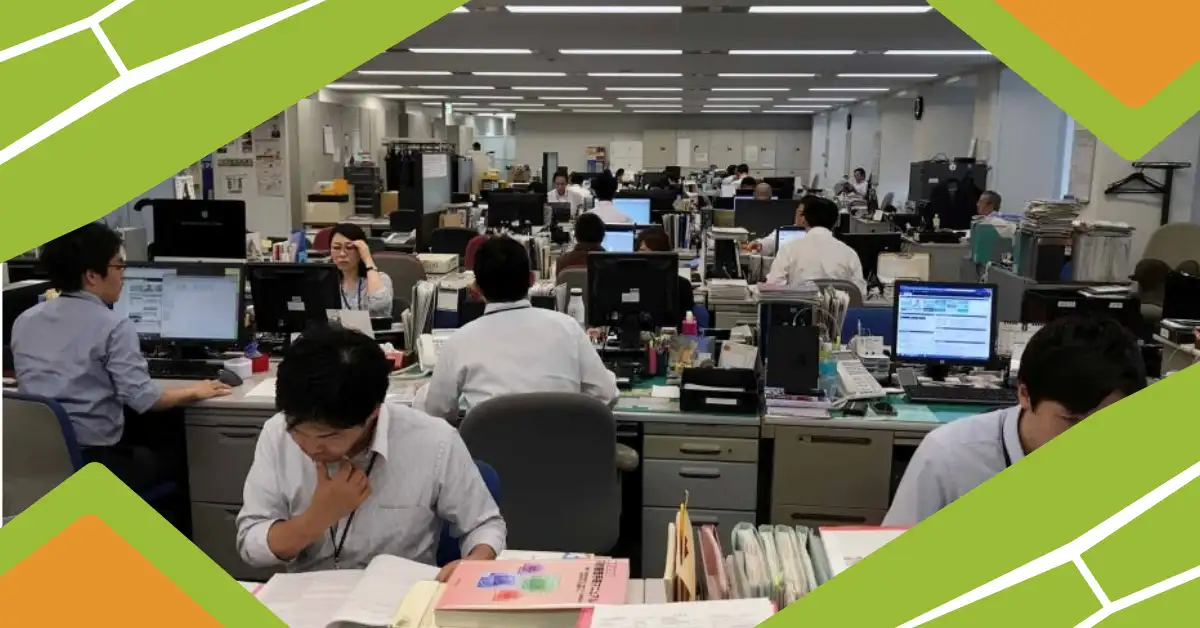
In Japan, hard work is not just a personal virtue, it is a social expectation. Long hours, meticulous attention to detail, and unwavering dedication are deeply embedded in corporate culture. Yet beneath the surface lies a silent competition, one that rarely appears in performance reports or official rankings. Colleagues subtly measure each other by visible effort, endurance, and commitment, creating an unspoken hierarchy that influences both personal and professional life.
Understanding this silent competition is crucial for navigating Japanese workplaces and social circles. It reveals the psychological pressures employees face, the cultural factors that drive them, and the balance needed to maintain well-being while pursuing excellence.
The Culture of Visible Effort in Japan
In Japanese companies, visible effort often carries as much weight as results. Employees staying late at the office, attending after-hours meetings, or volunteering for extra assignments are seen as dedicated and reliable. This behavior reflects the cultural value of gaman, the practice of enduring hardship without complaint.
This visibility creates an implicit competition: even if outcomes are similar, the perception of effort can affect career advancement, recognition, and peer respect. Colleagues unconsciously compare themselves, striving to match or exceed each other’s demonstrated commitment. This silent rivalry extends beyond work to social interactions, community responsibilities, and even educational settings.
Historical and Cultural Roots
Japan’s unspoken competition is rooted in historical and cultural factors. The post-war economic boom fostered a culture of diligence and loyalty to the company. Lifetime employment, seniority-based promotion, and group harmony reinforced the importance of visible dedication.
Cultural norms such as wa (harmony) and shūdan ishiki (group consciousness) further contribute to this phenomenon. Individuals often prioritize collective goals over personal convenience, and standing out through hard work is one socially acceptable way to demonstrate value without disrupting group harmony.
Psychological Effects of the Silent Competition
While this silent competition can motivate individuals to achieve excellence, it also carries significant psychological implications. Many employees experience stress, anxiety, and guilt if they feel they are not working as hard as their peers.
Burnout is common, as the pressure to continuously match others’ effort can lead to overwork, sleep deprivation, and decreased personal time. Even outside the workplace, social expectations can reinforce the pressure, as friends, family, and professional networks subtly value visible dedication.
The phenomenon of karōshi, or death from overwork, highlights the extreme consequences of unchecked workplace competition. It underscores the tension between societal admiration for hard work and the personal cost it can incur.
Social Media and the Modern Amplifier
In contemporary Japan, social media intensifies the silent competition. Professionals share accomplishments, overtime efforts, or tips for productivity online, creating a subtle comparison loop. Even outside the office, platforms like LinkedIn or Twitter allow colleagues to monitor each other’s visible dedication, further reinforcing the unspoken race to work harder.
While this can inspire efficiency, it can also heighten stress and contribute to a culture where taking personal time feels socially unacceptable. The challenge lies in balancing productivity with mental and emotional health.
Turning Competition Into Positive Motivation
Awareness of the silent competition allows individuals to harness it positively. Rather than succumbing to pressure, employees can focus on self-improvement, skill development, and meaningful contributions. Setting boundaries, prioritizing tasks, and celebrating personal milestones help maintain balance.
Japanese companies are gradually recognizing the need for healthier work practices. Initiatives like limited overtime, flexible hours, and encouragement of vacation reflect a slow cultural shift. Understanding the underlying competition allows workers to navigate expectations without compromising well-being.
Lessons From Japan for Global Work Culture
Japan’s silent competition offers lessons for workplaces worldwide. It demonstrates the influence of social expectations on productivity, the psychological impact of unspoken rivalry, and the importance of balancing dedication with health.
For global professionals, observing Japanese work culture highlights how invisible pressures shape performance and interpersonal relationships. It also emphasizes the need for strategies that prioritize sustainable effort and emotional resilience while respecting cultural norms.
Balancing Dedication and Well-Being
The silent competition of hard work in Japan illustrates both the strengths and risks of a culture that values visible effort. Dedication drives excellence, fosters skill mastery, and reinforces group cohesion. At the same time, unchecked competition can lead to stress, burnout, and social pressure.
Mindfulness, reflection, and intentional goal-setting help individuals maintain perspective. Recognizing that true productivity is not measured solely by hours spent but by meaningful contributions and personal growth is key to thriving in such environments.
Conclusion: Redefining Hard Work
Hard work in Japan is more than personal effort; it is a social signal, a measure of reliability, and a silent competition with peers. Understanding the unspoken dynamics of this culture can help employees navigate expectations, manage stress, and align personal goals with professional demands.
By redefining success to include balance, resilience, and meaningful achievement, individuals can participate in the silent competition of hard work without sacrificing their well-being. Japanese work culture demonstrates that effort and endurance are valuable, but sustainable dedication and self-awareness are the true markers of long-term success.