The Philosophy of Respect in Everyday Life
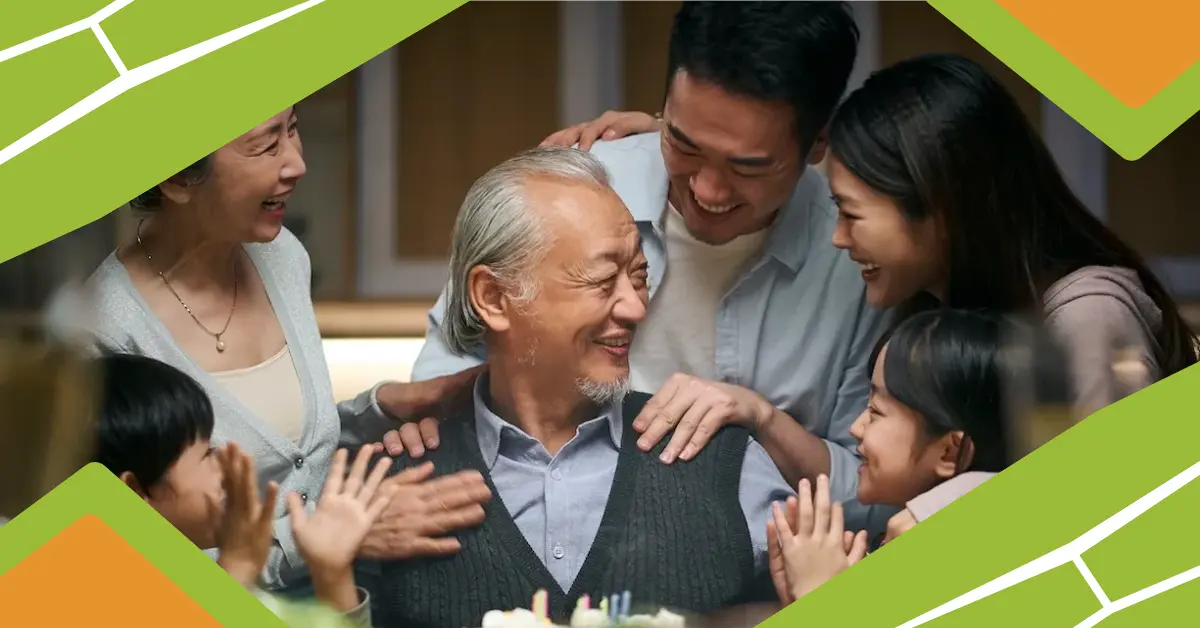
In many cultures, new is often prized over old. Modern technology, trends, and conveniences dominate daily life, and older items can be discarded quickly. Yet in Japan, there is a deep cultural value placed on both aging objects and aging people. Respect for the old is not just nostalgia. it is a reflection of appreciation, mindfulness, and continuity. This principle shapes homes, communities, and social interactions.
Valuing Objects That Have Aged
Objects that have been used over time are not simply worn out. They carry history, memory, and meaning. Old tools, furniture, and clothing are treated with care and maintained carefully. Wooden utensils may be polished, fabrics repaired, and ceramics preserved, often for generations.
This respect is rooted in the belief that objects absorb the energy and effort of their makers and users. By taking care of old items, people honor the craftsmanship and lives connected to them. The philosophy is practical as well as spiritual: repairing and reusing reduces waste while fostering a sense of connection to the past.
Living with Wabi-Sabi
The aesthetic of wabi-sabi, which finds beauty in imperfection and impermanence, plays a role in valuing old objects. Cracks in pottery, faded wood, and slightly worn fabrics are not flaws to hide but marks of life and experience. Wabi-sabi encourages mindfulness and gratitude, turning ordinary objects into symbols of history and continuity.
Through this lens, aging items are celebrated rather than discarded. Their imperfections remind people of the passage of time and the beauty of transience.
Respect for Seniors in Daily Life
The same philosophy extends to people. Older generations are treated with deference, courtesy, and care. Elders are consulted in decision-making, given priority in public spaces, and spoken to politely. Respect is often automatic, not conditional on social status or achievement.
This respect acknowledges the experience, knowledge, and hardships older people have endured. It reinforces social cohesion, teaches younger generations patience, and maintains continuity between the past and present.
Parallels Between Objects and People
In Japan, respect for old objects and old people is interconnected. Both are valued for their history, their contribution, and their enduring presence. This perspective fosters responsibility: just as one maintains and treasures heirlooms, one supports and honors elders. Both require attention, care, and appreciation.
By seeing continuity and value in aging, people cultivate gratitude and humility. Life is viewed as cyclical rather than disposable.
Cultural Implications
This approach influences everything from home organization to public etiquette. Homes often feature heirlooms alongside modern conveniences, and rituals emphasize the preservation of both objects and relationships. Schools and workplaces teach respect for elders, while craftsmanship and repair remain highly valued skills.
The result is a society that balances progress with tradition, efficiency with mindfulness, and new with old.
Conclusion: Lessons from Respecting the Old
Respecting old objects and old people is more than a tradition, it is a lifestyle. It teaches mindfulness, patience, and appreciation for history. In valuing what has endured, people honor both the material and human legacy around them.
This cultural perspective reminds the world that longevity carries meaning, and that care, attention, and respect are timeless values.