The Beauty of Imperfect Wholeness
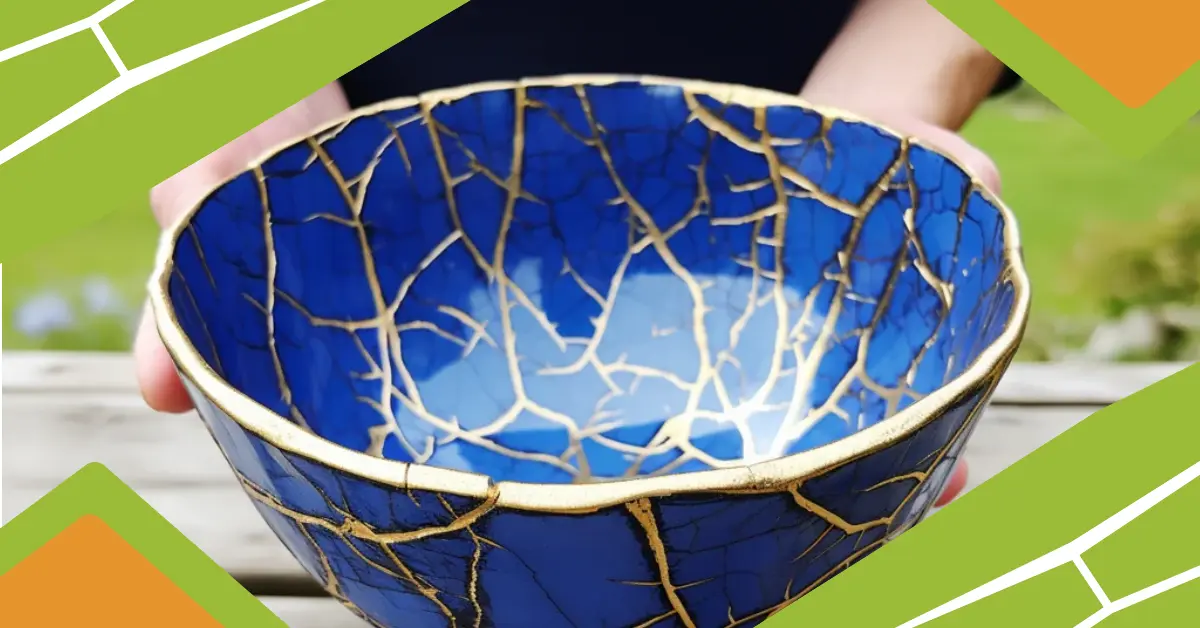
In a world obsessed with perfection, broken things are usually hidden, replaced, or thrown away. Cracks are seen as flaws. Damage is something to erase. Yet there exists a philosophy and craft that does the opposite. It takes broken objects and repairs them with gold, not to disguise the damage, but to highlight it.
Kintsugi is more than a method of fixing pottery. It is a lifestyle idea that reshapes how people think about loss, damage, and renewal. What was once broken becomes more valuable, not despite its history, but because of it.
The Practice of Repairing with Gold
At its simplest, kintsugi involves mending broken ceramic pieces using lacquer mixed with gold powder. Instead of hiding the fracture lines, the repair traces them in gold, turning cracks into visible patterns. Each repaired object becomes unique. No two breaks follow the same path.
The process is slow and deliberate. Pieces must be carefully cleaned, reassembled, and sealed over time. This patience is part of the meaning. Repair is not rushed. Healing is allowed to take its course.
The result is an object that carries both its past damage and its present strength. It is whole again, but not the same as before.
A Philosophy Rooted in Acceptance
Beyond the physical craft, kintsugi reflects a broader way of seeing life. It accepts that breakage is inevitable. Things fall, people fail, relationships fracture, and time leaves marks. Instead of denying this reality, kintsugi embraces it.
Cracks are not signs of weakness. They are evidence of survival. By filling them with gold, the damage is honored rather than erased. The object tells a story. It has lived, been broken, and been cared for.
This mindset stands in contrast to cultures that value flawlessness. Kintsugi suggests that perfection is not about being untouched, but about being repaired with care.
Why This Way of Thinking Feels Unusual
To many people, the idea of highlighting damage feels uncomfortable. We are trained to hide scars, smooth over mistakes, and present a polished surface. Broken items are often seen as useless or embarrassing.
Kintsugi challenges that instinct. It asks a difficult question. What if visible repair makes something more meaningful, not less?
By refusing to hide cracks, it removes shame from imperfection. It reframes damage as part of identity rather than something separate from it.
Kintsugi as a Lifestyle Metaphor
Over time, kintsugi has moved beyond pottery and into everyday thinking. It has become a metaphor for emotional healing, personal growth, and resilience.
People apply its ideas to their own lives. Past failures become lessons. Emotional wounds become sources of empathy. Difficult experiences shape character rather than diminish it.
This does not mean celebrating pain. It means acknowledging it honestly and choosing to repair rather than discard. The gold represents care, time, and intention.
Sustainability and Respect for Objects
Kintsugi also speaks to modern concerns about waste. Instead of replacing broken items, it encourages repair. Instead of chasing constant newness, it values continuity.
In a disposable culture, repairing something beautifully becomes an act of resistance. It slows consumption and deepens connection to everyday objects.
An item repaired with gold is not easily thrown away again. It carries meaning, memory, and effort.
Becoming Whole Without Erasing the Past
Kintsugi offers a quiet but powerful lesson. Broken does not mean finished. Damage does not cancel value. Repair does not require hiding what happened.
By making cracks visible and beautiful, this practice reminds us that wholeness does not come from avoiding damage, but from facing it with patience and care.
In the end, the gold is not just in the repair. It is in the decision to mend rather than replace, to accept rather than deny, and to find beauty where it was never expected.