Tatemae vs Honne: The Two Faces of Japanese Communication Explained
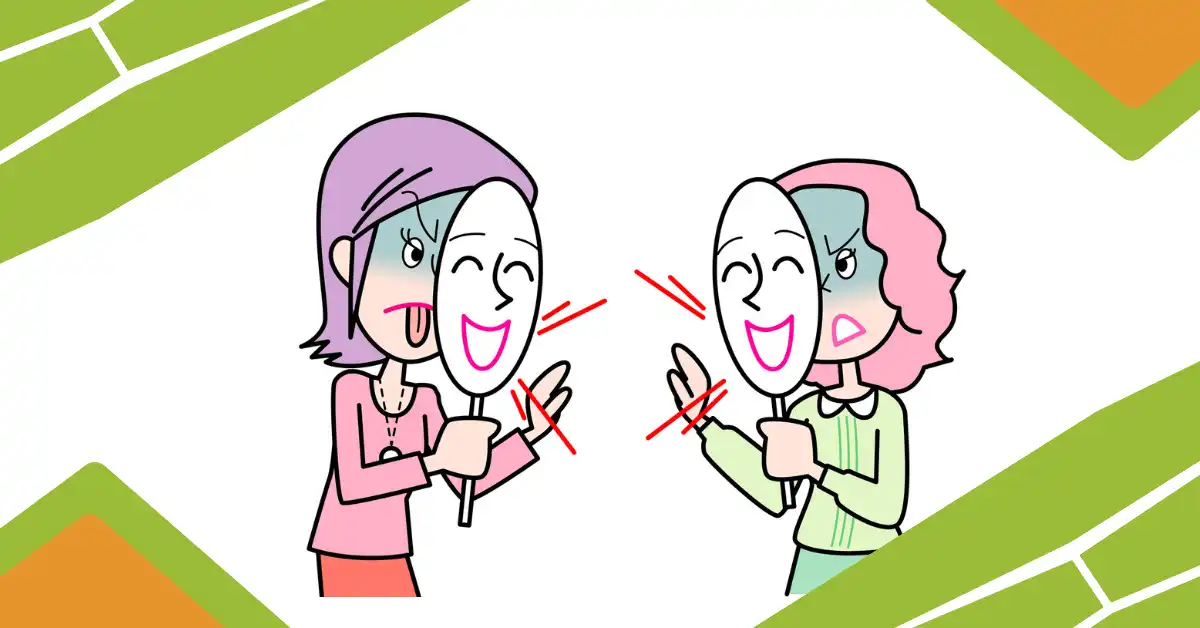
Understanding Tatemae vs Honne is essential for anyone trying to grasp the subtleties of Japanese communication, culture, and social behavior. These two concepts describe the dual structure behind how people in Japan express themselves publicly versus what they truly feel internally. While often simplified as “public face vs true feelings,” the reality is far more nuanced and deeply rooted in social harmony, context, and respect.
Find what these concepts mean, how they influence daily life in Japan, and why they matter in business, relationships, and cross-cultural communication.
What Does Tatemae and Honne Mean?
At its core, Japanese communication operates on two layers:
- Tatemae (建前) refers to the public behavior, opinions, or statements a person presents in social settings. It is shaped by social expectations, politeness, and the desire to maintain harmony.
- Honne (本音) represents a person’s true feelings, desires, or private thoughts, which are often kept hidden or shared only with trusted individuals.
Rather than being contradictory or deceptive, these two expressions coexist as a social balancing system. In Japanese society, preserving harmony (wa) is often more important than blunt honesty, especially in formal or unfamiliar contexts.
Why Tatemae Exists in Japanese Society
The concept of Tatemae is closely tied to Japan’s collectivist culture. Unlike highly individualistic societies where self-expression is prioritized, Japan emphasizes group cohesion, respect, and avoiding conflict.
Tatemae helps achieve several social goals:
- Preventing unnecessary confrontation
- Maintaining politeness in hierarchical relationships
- Ensuring smooth communication in groups
- Protecting social harmony (wa)
For example, a colleague may agree with a proposal during a meeting to avoid disruption, even if they privately disagree. This doesn’t necessarily indicate dishonesty; it reflects a cultural preference for indirect communication.
Honne: The Private Self Behind Social Harmony
While Tatemae is what is shown publicly, Honne represents the private emotional world of an individual. It is not always expressed openly, especially in professional or formal settings.
However, Honne is not suppressed completely. It often emerges in:
- Close friendships
- Family relationships
- After-work socializing (nomikai culture)
- Private conversations
In these environments, people feel safer expressing honest opinions, frustrations, or desires without worrying about social consequences.
The distinction between the two allows individuals to navigate different social roles smoothly without damaging relationships.
Tatemae vs Honne in Everyday Life
To better understand Tatemae vs Honne, consider everyday situations in Japan:
1. Workplace Communication
Employees may nod in agreement during meetings (Tatemae), even if they have reservations (Honne). Later, in private discussions, they might express their true opinions more freely.
2. Social Invitations
Someone might say “I’m busy” instead of directly refusing an invitation. This polite excuse reflects Tatemae, while the real reason (Honne) may simply be a lack of interest.
3. Customer Service
Politeness in service interactions is heavily influenced by Tatemae. Staff may express extreme courtesy regardless of their personal mood.
These examples show how the system is less about deception and more about emotional regulation within society.
The Cultural Logic Behind the Dual Structure
To outsiders, this communication style may seem indirect or confusing. However, it is deeply rooted in historical and cultural factors:
- Collectivism: Group harmony is prioritized over individual expression
- Hierarchy: Respect for status and seniority shapes communication
- Avoidance of conflict: Direct disagreement is often seen as disruptive
- High-context communication: Meaning is often implied rather than explicitly stated
In this system, saying exactly what one thinks at all times may be considered socially disruptive rather than honest.
Misunderstandings Among Foreigners
Many foreigners misunderstand Tatemae as dishonesty. However, this interpretation misses the cultural intent. In reality, Japanese communication relies heavily on context, non-verbal cues, and shared understanding.
Common misunderstandings include:
- Assuming agreement means genuine approval
- Interpreting politeness as emotional distance
- Missing indirect refusals or hints
- Expecting direct verbal confirmation for everything
Learning to recognize subtle cues is essential for effective communication in Japan.
Honne in Modern Japanese Society
While traditional communication patterns remain strong, modern Japan is gradually becoming more open, especially among younger generations. Social media, globalization, and international workplaces have made it easier for people to express Honne more openly.
Still, the balance between Tatemae and Honne remains relevant. Even in digital spaces, people often maintain a level of politeness and restraint, reflecting cultural continuity.
Tatemae vs Honne in Business Culture
In Japanese business environments, understanding Tatemae vs Honne can be a major advantage.
- Meetings often involve consensus-building rather than direct debate
- Silence can indicate disagreement rather than agreement
- Decisions are frequently made outside formal meetings
- Relationships and trust are as important as logic and data
Foreign professionals who adapt to this communication style often find smoother collaboration and stronger long-term partnerships.
Is Tatemae Dishonest?
A common misconception is that Tatemae is equivalent to lying. However, this is not accurate. Instead, it functions as a social lubricant that allows people to navigate complex relationships without causing friction.
Rather than suppressing truth, it prioritizes timing, context, and appropriateness of expression. In many cases, Honne is not denied, it is simply expressed selectively.
Balancing Tatemae and Honne in Modern Life
Even outside Japan, people use similar forms of social filtering. Most individuals adjust how they speak depending on the audience , friends, coworkers, or strangers.
The key difference is that Japanese culture formalizes this duality into a widely understood social framework.
To navigate it effectively:
- Pay attention to tone and context, not just words
- Observe behavior in group settings
- Build trust before expecting direct honesty
- Understand that silence can carry meaning
Conclusion
The concept of Tatemae vs Honne reveals much more than just communication differences; it reflects how Japanese society values harmony, respect, and social awareness. Rather than seeing it as a contradiction, it can be understood as a sophisticated system for managing relationships and emotions in a highly interconnected society.
By recognizing the distinction between public expression and private intention, one can better appreciate Japanese culture and communicate more effectively within it.