Tap Water in Japan: Is It Safe, Clean, and Refreshingly Drinkable for Everyone?
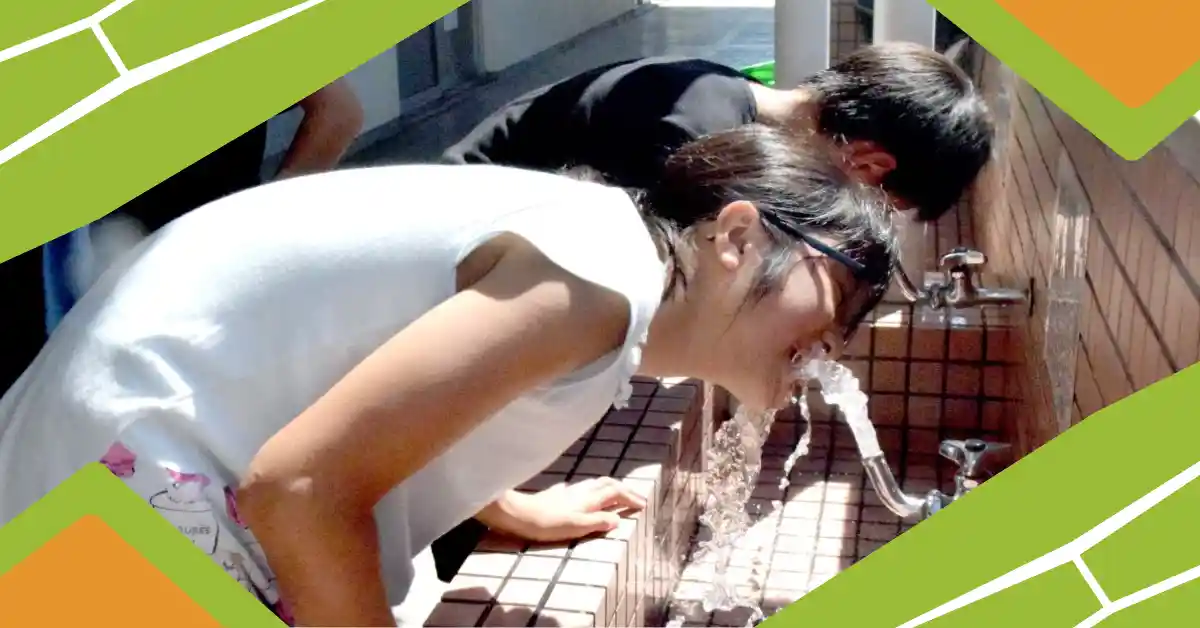
If you’re traveling to Japan or planning to live there, one detail may surprise you: you don’t need to rely on bottled water. Unlike in many countries where tap water safety can be uncertain, Japan’s tap water is remarkably clean, safe, and drinkable straight from the faucet. While convenience stores still sell bottled water in abundance, it’s more a matter of convenience than necessity.
Understanding why Japanese tap water is so trusted can transform your daily routine, helping you save money, reduce plastic waste, and enjoy a reliable source of hydration throughout the day.
Strict Safety Standards Ensure Peace of Mind
Japan takes water safety seriously. Governed by the Waterworks Law, public water systems are required to meet 51 rigorous safety standards covering bacteria, heavy metals, chemical pollutants, and other contaminants. These standards are more comprehensive than those applied to bottled water in the country, which already maintains a reputation for high quality.
The Ministry of Health, Labour and Welfare (MHLW) actively monitors compliance, conducting regular inspections and ensuring that water treatment facilities adhere to best practices. This system aligns closely with international safety standards, including guidelines from the World Health Organization, the European Union, and the United States Environmental Protection Agency (EPA).
For residents and travelers alike, this means that turning on the tap provides access to water that has been rigorously tested, filtered, and disinfected often multiple times before reaching your glass.
The Journey of Japanese Tap Water
Japanese tap water undergoes a carefully engineered purification process, combining advanced technology with traditional water treatment methods. Most water starts as surface water, collected from rivers, lakes, and reservoirs, while certain regions rely on groundwater sources.
The purification process typically involves:
- Coagulation and Sedimentation – Suspended particles are removed, clarifying the water.
- Sand Filtration – Fine impurities are filtered out through slow or rapid sand filters.
- Disinfection – Chlorine is used to eliminate bacteria and viruses.
- Advanced Treatments – In some areas, techniques like ozonation and biologically activated carbon filtration remove residual organic compounds, further improving taste and safety.
The result is water that is not only safe but also clean-tasting, refreshing, and enjoyable straight from the faucet.
Soft Water and Regional Flavor
One of the most noticeable qualities of Japanese tap water is its softness. Soft water contains fewer dissolved minerals than hard water, giving it a gentle, smooth taste. This makes it particularly ideal for brewing tea or coffee, as it doesn’t interfere with delicate flavors.
Water quality can vary slightly depending on region and season. Cities such as Tokyo are renowned for exceptionally drinkable tap water, praised even in international taste tests. In many places, local residents take pride in the quality of their water, choosing it over bottled alternatives simply for its taste.
Using Tap Water in Daily Life
In Japanese households, tap water is an integral part of daily life. It’s commonly used for drinking, cooking, boiling water for tea, washing rice, and even brushing teeth. Unlike some countries where tap water comes with warnings or preparation steps, in Japan it is treated as safe and reliable by default.
Public infrastructure also supports widespread tap water use. Many train stations, parks, shopping centers, and public spaces now feature water fountains and refill stations, encouraging visitors and residents to use reusable bottles. This practice helps reduce single-use plastic waste while providing easy access to clean water wherever you go.
For travelers, this is a small but significant adjustment. Instead of hunting for bottled water at every stop, you can confidently refill a reusable bottle from any tap and enjoy fresh water anytime.
Optional Comfort Measures
Even with top-quality tap water, some people prefer an extra layer of taste or convenience. Home filters, under-sink purifiers, and water dispensers are common in Japanese homes and offices. These systems are not a necessity for safety they’re used to remove residual chlorine, enhance flavor, or provide chilled or hot water on demand.
Bottled water remains popular in Japan, but it’s more about lifestyle convenience than essential hydration. People may carry bottles during long commutes, outdoor activities, or office meetings, but city life rarely requires it.
The Confidence of Reliable Tap Water
What sets Japanese tap water apart is not just its technical safety but the quiet confidence with which it is used. There are no constant boil-water advisories, no widespread warnings, and no public anxiety about contamination. Instead, there’s an unspoken trust that the water from your tap is safe to drink, whether you’re making tea at midnight, preparing a meal, or filling a child’s water bottle.
For newcomers, embracing this confidence can be a simple way to live more like a local. It removes a small but persistent source of worry and lets you focus on enjoying life in Japan sip by sip, cup by cup.
Environmental and Economic Benefits
Choosing tap water over bottled water also has broader implications. Japan is a country conscious of sustainability, and reducing single-use plastic is a growing priority. By using tap water, residents and visitors alike help limit plastic waste, contributing to cleaner streets, rivers, and oceans.
Financially, tap water is incredibly economical. The average cost per liter of tap water in Japan is a fraction of bottled water prices, meaning you can stay hydrated without spending extra money. For long-term residents or frequent travelers, this can add up to significant savings over time.
Key Takeaways
- Japan’s tap water is exceptionally safe, meeting stringent legal standards enforced by the MHLW.
- Advanced purification processes ensure water is clean, clear, and pleasant to drink.
- Soft water with regional variations enhances tea, coffee, and cooking.
- Daily use is convenient and reliable, supported by public fountains and refill stations.
- Optional filtration systems are for taste and convenience rather than safety.
- Choosing tap water supports sustainability and saves money.
Ultimately, drinking Japanese tap water is more than a practical choice it’s a small cultural insight. It reflects the country’s precision, attention to detail, and confidence in everyday systems. Whether you’re sipping a cup of green tea at home or refilling a bottle on the go, Japanese tap water is safe, refreshing, and ready to be enjoyed.
For anyone visiting or living in Japan, embracing tap water is a simple, practical, and eco-friendly way to experience daily life just like a local safe, convenient, and refreshingly drinkable.
Also Read: Japan’s Legal Drinking Age 2026: Why You Must Be 20 to Drink Alcohol Safely