Sumimasen (Sorry) in Japan: Learn Its Different Uses and Meanings in Japanese Culture
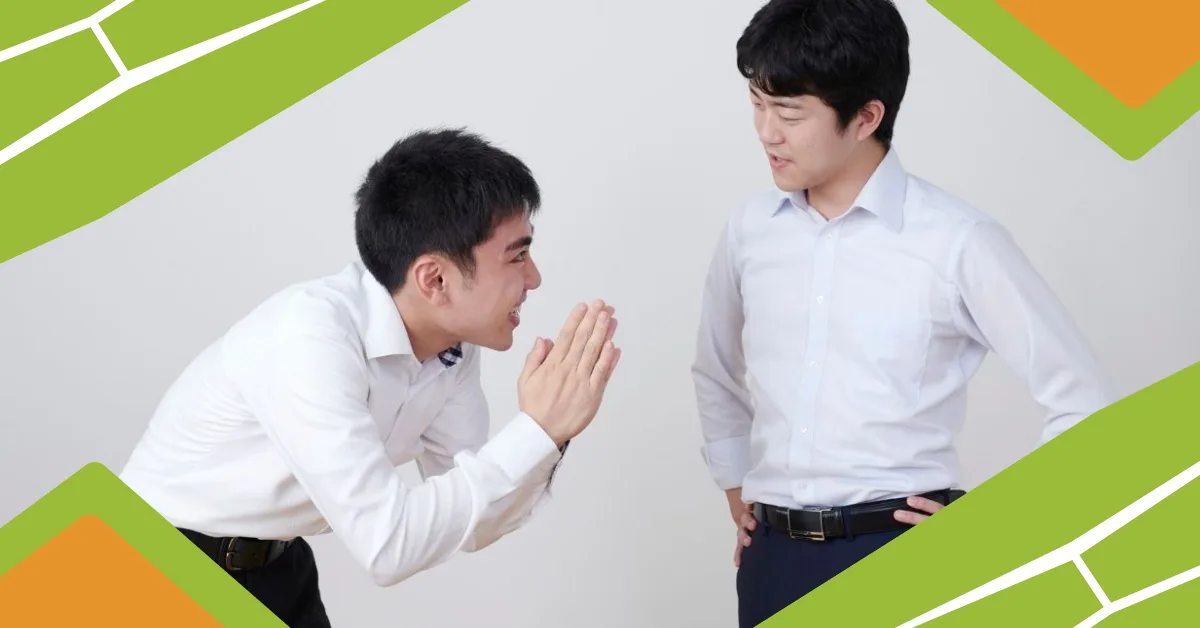
Stepping into the bustling streets of Tokyo, you quickly notice a soft, pervasive word: “Sumimasen.” It floats through the air, subtle yet profound, carrying more than a simple apology. Depending on the moment, it might express regret, gratitude, or polite attention. This single word captures the essence of Japanese etiquette, blending humility, respect, and emotional awareness into everyday communication. For travelers and language enthusiasts alike, understanding “sumimasen” is a gateway to experiencing Japan’s culture at a deeper, more personal level.
The Meaning Behind “Sumimasen”
At first glance, “sumimasen” is often translated as “sorry” or “excuse me.” But this translation barely scratches the surface. The word originates from the combination of “sumanai” (unfinished or incomplete) and “masen” (the polite negative form), giving it a unique nuance of heartfelt regret and unspoken indebtedness.
Japanese people don’t utter “sumimasen” merely because they are at fault. Instead, it’s an expression of consideration for others, acknowledging that their actions might inconvenience or affect someone else. In a society that values wa harmony the word functions as a gentle social lubricant, smoothing interactions and fostering subtle emotional connections.
Unlike the English “sorry,” which can sometimes feel perfunctory, “sumimasen” carries a quiet depth. It’s an acknowledgment that our presence, however small, interacts with the lives of others, and that recognition alone merits respect.
The Three Faces of “Sumimasen”
Understanding “sumimasen” requires recognizing its flexibility. While it is one word, it serves multiple social purposes, each nuanced by tone, context, and body language.
1. A Gentle Apology
Imagine brushing shoulders with a stranger in a crowded train in Shinjuku. A swift “Sumimasen!” accompanied by a slight bow instantly conveys remorse. It is not over-apologizing it is restoring harmony, preventing tension from forming over small disruptions.
In Japanese society, minor mishaps are rarely worth confrontation. Here, “sumimasen” acts as a balm, diffusing friction before it escalates. Even foreigners quickly notice its emotional power; a simple utterance can transform a fleeting inconvenience into a shared understanding.
2. Polite Attention and Request
Beyond apology, “sumimasen” functions as a polite call for attention. In a busy café or restaurant, raising a hand and saying “Sumimasen!” is equivalent to “Excuse me” but carries greater warmth and deference. It recognizes the server’s effort while signaling a respectful request, rather than demanding immediate service.
This usage highlights the Japanese sensitivity to others’ time. Even a small acknowledgment of another person’s effort communicates empathy, turning ordinary transactions into moments of connection.
3. Gratitude with Humility
Perhaps the most subtle and uniquely Japanese aspect of “sumimasen” is its use alongside thanks. If someone offers directions or assistance, a polite “Sumimasen, arigatou gozaimasu” conveys thanks while acknowledging the imposition.
This combination goes beyond mere appreciation; it conveys empathy, making the giver feel valued rather than burdened. It transforms gratitude from a mechanical act into a shared emotional experience, enhancing human connection in everyday interactions.
Why “Sumimasen” Resonates Emotionally
What makes “sumimasen” resonate so deeply is its connection to wa, the cultural principle of social harmony. Linguists note that the word blends regret, affirmation, and acknowledgment, creating a flexible tool for managing relationships in communal spaces.
Whether in a clinic, a store, or a subway, the word allows individuals to navigate social interactions gracefully. Its emotional richness is so profound that some foreigners initially misinterpret it as self-deprecation. In reality, it is an act of cultural grace, fostering invisible bonds without drawing attention.
Moreover, the word’s tone and delivery shape its meaning. A soft, sincere utterance can soothe tensions; a louder, attentive “sumimasen” can politely command attention. This adaptability is why the word is indispensable in Japanese daily life, and why mastering it is key to social fluency in Japan.
Everyday Scenarios: Bringing “Sumimasen” to Life
Practical understanding of “sumimasen” helps travelers and language learners navigate daily life smoothly. Here are a few common situations:
| Scenario | Emotional Nuance | English Equivalent |
| Brushing past someone | Quick remorse, restoring harmony | “Sorry about that!” |
| Calling a waiter | Respectful attention without demand | “Excuse me, please!” |
| Asking for directions | Polite intrusion, eagerness to connect | “Excuse me, could you help?” |
| Thanking for small help | Humble appreciation, acknowledging effort | “Thank you for your trouble” |
By practicing these scenarios, you not only communicate effectively but also participate in Japan’s social rhythm, making your interactions smoother and more heartfelt.
Mastering “Sumimasen” Abroad
For foreigners, using “sumimasen” correctly can feel intimidating at first. But it’s less about memorizing rules and more about cultivating awareness. Observe local interactions and notice tone, bowing, and context. Over time, you’ll realize that the word is less about literal meaning and more about intention.
Even subtle gestures slight eye contact, a nod, or a small bow amplify the word’s emotional weight. In doing so, you align yourself with Japanese social norms, showing respect not just through words, but through presence.
Cultural Insights and Emotional Impact
Japan’s emphasis on social harmony gives “sumimasen” its extraordinary depth. It is a word that teaches us about empathy, humility, and human connection. While it may seem small a single utterance in the flow of conversation its effects ripple outward, smoothing minor conflicts, expressing gratitude, and elevating ordinary interactions into meaningful exchanges.
Foreigners often experience a subtle emotional response to hearing or using the word. It is not self-deprecation, as it may initially appear, but a linguistic window into Japanese values, where acknowledgment of others’ effort and time is more important than individual ego.
Embrace the Elegance of “Sumimasen”
In a fast-paced world, where politeness can feel optional, “sumimasen” reminds us of the emotional power of courtesy. It is not just a phrase, but a cultural touchstone, a reflection of Japan’s gentle heart. Using it authentically allows you to connect on a deeper level, whether apologizing, requesting attention, or expressing gratitude.
Next time you are in Japan, let “sumimasen” roll naturally from your lips. Watch as doors open not just literally, but socially and emotionally. Through this simple, versatile word, you gain access to the heart of Japanese interaction: respectful, empathetic, and beautifully human.
Conclusion
Mastering “sumimasen” is more than learning a word; it’s learning a philosophy of interaction. It blends apology, gratitude, and politeness in a way few words in any language can. For travelers, students, and enthusiasts of Japanese culture, understanding and practicing this word brings a richer, more connected experience.
In Japan, a single “sumimasen” can smooth friction, show appreciation, and create bonds. Its emotional depth, versatility, and cultural resonance make it not only a linguistic necessity but also a lesson in empathy and human kindness. By embracing it, you don’t just communicate you participate in a social harmony that defines the Japanese way of life.
Also Read: How to Book a Hotel in Japan in 2026: Step-by-Step Guide