The Rise of Solo Living in Tokyo: Why More People Choose Independent Urban Life
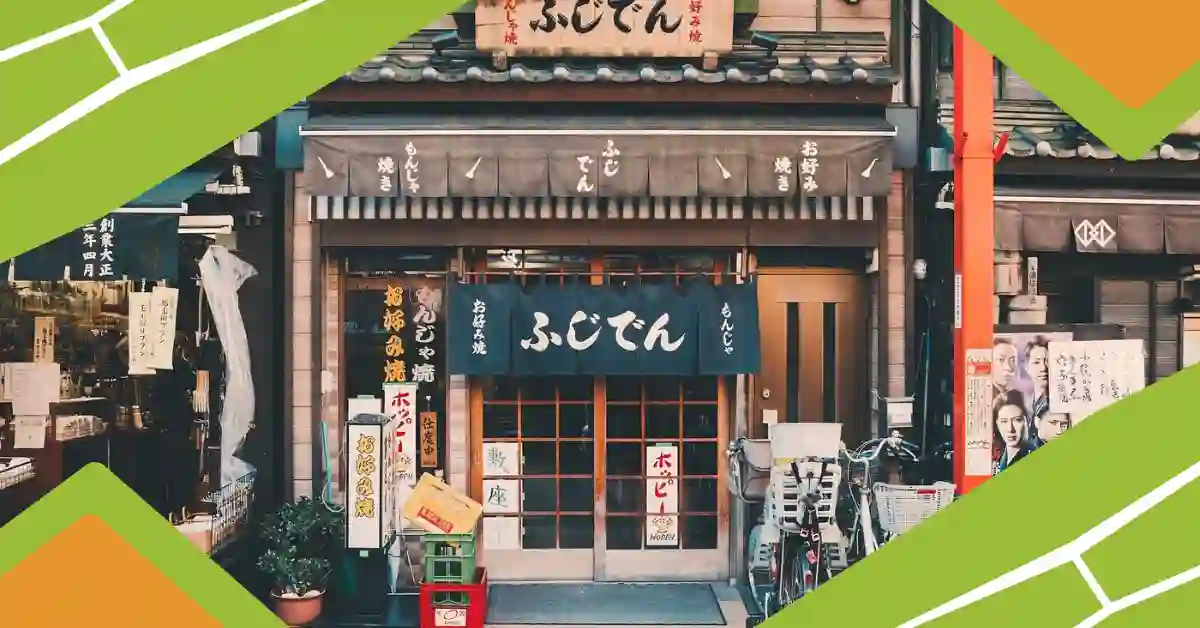
Solo living in Tokyo has become one of the most defining lifestyle trends in modern urban Japan, reshaping how people think about home, independence, and community in one of the world’s busiest cities. In Tokyo, where convenience meets extreme urban density, a growing number of residents are choosing to live alone not out of isolation, but as a conscious decision toward freedom, flexibility, and self-directed living. This shift reflects deeper changes in work culture, social expectations, and personal aspirations across generations.
Over the past two decades, the concept of living alone has evolved from a transitional phase for young adults into a long-term lifestyle choice. From compact studio apartments to highly optimized micro-living spaces, Tokyo has become a global symbol of efficient independent living. Understanding why this trend is accelerating reveals much about modern urban life and the future of cities worldwide.
Urban Shifts Driving Independent Living in Tokyo
The growth of independent housing arrangements is not accidental. It is closely tied to economic, demographic, and cultural transformations that have reshaped Tokyo’s housing landscape. One of the strongest drivers is the city’s highly efficient infrastructure, which makes living alone both practical and appealing.
Unlike many global cities where solo living may feel isolating or expensive, Tokyo provides a unique environment where convenience compensates for space. Compact apartments are designed with remarkable functionality, and essential services from food delivery to 24-hour convenience stores reduce the need for shared household arrangements.
Several key urban factors contribute to this shift:
- Smaller household sizes due to aging populations and delayed marriage trends
- Flexible work patterns, including remote and freelance employment
- Efficient public transportation, reducing dependency on shared housing near workplaces
- Abundance of micro-apartments, designed specifically for single occupants
- Strong service infrastructure, supporting independent daily living
These conditions have made solo living in Tokyo not only feasible but often preferable. Younger generations, in particular, see independence as a form of personal control rather than a compromise.
The Cultural Reframing of Independence
Beyond logistics, the cultural perception of living alone has undergone a significant transformation. Traditionally, Japanese society emphasized group harmony and collective living. However, modern urban culture in Tokyo has gradually shifted toward valuing individuality and personal space.
This cultural evolution is strongly reflected in housing preferences. Many residents now associate living alone with emotional balance, productivity, and self-growth. The idea of managing one’s own space, time, and routines has become a symbol of maturity and autonomy.
For many people embracing solo living in Tokyo, the benefits go beyond convenience. It often represents:
- A quieter environment for mental focus and relaxation
- Greater control over daily routines and lifestyle choices
- Freedom from household compromises and shared schedules
- Opportunities to personalize living spaces fully
- Enhanced privacy in a densely populated city
At the same time, Tokyo’s social environment helps balance independence with connection. Cafés, co-working spaces, and neighborhood communities provide social interaction without requiring shared living arrangements. This hybrid model allows individuals to maintain independence while avoiding isolation.
The rise of digital platforms and mobile technology has also reinforced this lifestyle. Everything from banking to entertainment can be managed individually, further reducing the necessity of shared domestic structures.
Economic Realities and Housing Innovation
One of the most important factors behind the popularity of independent living is Tokyo’s evolving housing market. While space in the city is limited, developers have responded with innovative solutions tailored for single occupants. Apartments are designed to maximize utility in minimal square footage, often integrating multifunctional furniture and smart storage systems.
Interestingly, the cost structure of renting alone in Tokyo is more balanced than in many other global cities. While space is smaller, accessibility to transportation and services reduces additional living expenses. Many residents find that living alone does not significantly increase overall financial burden when compared to shared housing in other metropolitan areas.
Another major influence is employment culture. With the rise of contract work, creative industries, and flexible job structures, more people are no longer tied to long-term corporate housing arrangements. This shift encourages mobility and short-term leases, both of which align well with solo living.
Technology also plays a role in supporting this lifestyle. Smart home systems, automated services, and digital convenience platforms allow individuals to manage households efficiently without assistance.
Psychological Appeal of Living Alone in a Dense City
In a city as densely populated as Tokyo, solitude is not just a luxury it becomes a form of balance. Many residents report that living alone helps them decompress from the constant stimulation of urban life. The ability to return to a private, controlled environment after navigating crowded trains and busy streets is a powerful psychological advantage.
For many individuals, solo living in Tokyo represents a healthy boundary between public and private life. It allows people to engage actively with society during the day while maintaining personal recovery space at home.
This lifestyle also supports personal development. Without shared household dynamics, individuals often develop stronger self-discipline, decision-making skills, and emotional independence. The home becomes a reflection of personal identity rather than a negotiated shared space.
Social Evolution Without Traditional Constraints
While solo living might seem isolating at first glance, Tokyo demonstrates a different reality. Social interaction has not diminished; it has simply transformed. Instead of being centered in the home, social life is distributed across urban spaces.
Residents frequently interact in cafés, fitness centers, community events, and shared work environments. These flexible social settings allow people to choose when and how they engage with others, rather than relying on cohabitation as the primary source of interaction.
This shift also reflects changing attitudes toward relationships and family structures. Marriage and long-term cohabitation are no longer seen as default life paths for everyone. Instead, individuals are increasingly prioritizing career growth, personal stability, and lifestyle compatibility before entering shared living arrangements.
As a result, solo living in Tokyo has become part of a broader cultural redefinition of adulthood, independence, and success.
Challenges of Independent Urban Living
Despite its advantages, living alone in a dense metropolitan environment does come with challenges. The most commonly cited issue is the potential for loneliness during long periods without social interaction at home. While Tokyo offers abundant social opportunities, maintaining consistent personal connections still requires effort.
Another challenge is space limitation. Apartments designed for single occupants are often compact, requiring careful organization and lifestyle adaptation. Residents must prioritize minimalism and efficient use of space to maintain comfort.
Cost can also be a factor depending on location. While generally manageable, central districts may still be expensive, prompting some residents to live farther from city centers and commute.
However, many of these challenges are mitigated by Tokyo’s infrastructure. Reliable transportation, accessible public services, and widespread digital connectivity help residents adapt effectively to independent living conditions.
The Future of Solo Living in Tokyo
Looking ahead, the trend toward independent housing is expected to continue evolving. As urban populations become more diverse and flexible work arrangements expand, cities like Tokyo will likely see further innovation in housing design and community integration.
The concept of home is shifting from shared necessity to individual choice. In this context, solo living in Tokyo is not simply a housing trend, it is a reflection of broader societal transformation. It represents how modern urban residents are redefining comfort, independence, and connection in a fast-paced world.
Ultimately, the rise of this lifestyle highlights a key truth about contemporary cities: independence and community are no longer opposites. Instead, they coexist in dynamic and flexible ways, shaping a new urban identity that continues to evolve with each generation.