Why Japan Has So Many Vending Machines: The Surprising Reason Explained
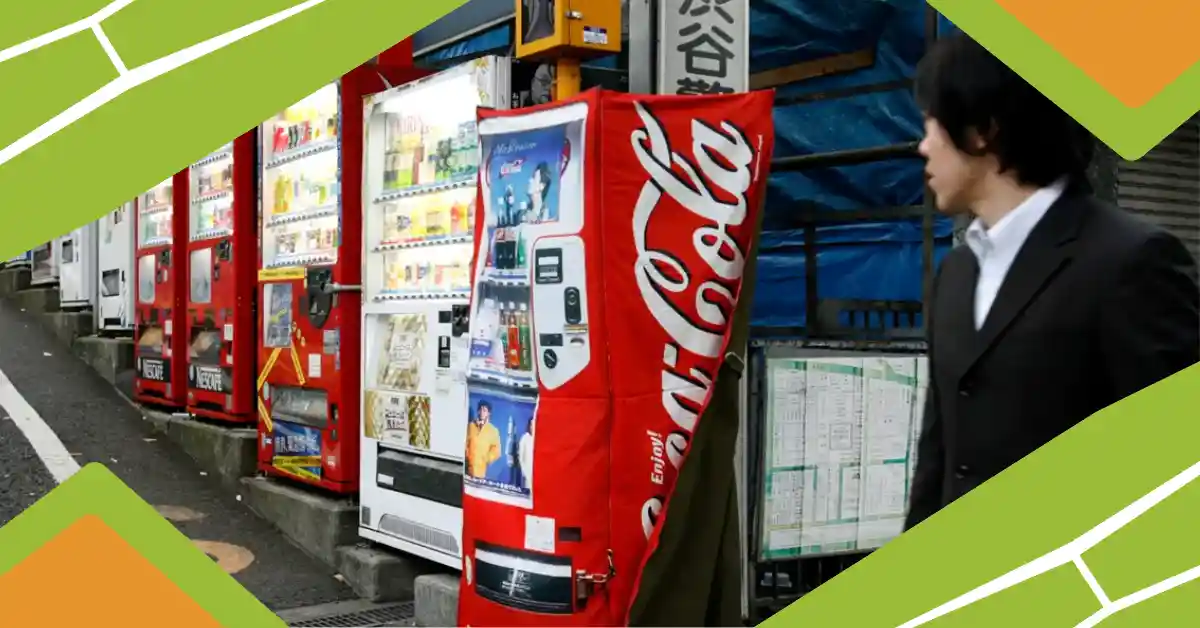
Japan is famous for many things like sushi, bullet trains, anime, and neon-lit cities but one of its most surprising everyday features is the sheer number of vending machines scattered across the country. From bustling Tokyo streets to quiet rural towns, vending machines seem to appear everywhere: on sidewalks, inside train stations, at shrines, and even in the middle of nowhere. This has led many travelers and curious observers to ask the same question: why does Japan have so many vending machines?
The answer is not a single reason but a combination of culture, safety, urban planning, and technology. Japan’s vending machine culture is deeply connected to how society functions, how cities are designed, and how people interact with convenience in their daily lives. Understanding this phenomenon reveals a lot about modern Japan itself.
A Deep-Rooted Culture of Convenience and Trust
One of the biggest reasons Japan has so many vending machines is its long-standing cultural emphasis on convenience combined with an unusually high level of public trust. In Japan, convenience is not just a luxury, it is part of daily life. The concept of “kyōkan” (shared understanding and social responsibility) plays a role in how public systems operate smoothly. People generally respect shared spaces, which allows unattended machines to exist without constant fear of theft or vandalism.
Unlike many countries where unattended retail might be risky, Japan’s low crime rate makes it possible for vending machines to operate safely 24/7. This trust-based environment means machines can be placed almost anywhere without requiring heavy security infrastructure. As a result, businesses find vending machines a reliable and low-maintenance way to serve customers around the clock.
Another cultural factor is Japan’s long history with vending machines. They are not a modern trend but have been part of Japanese society for decades. Over time, they evolved from simple drink dispensers to highly advanced machines offering hot meals, fresh fruit, umbrellas, batteries, and even clothing items. This normalization has made vending machines an accepted and expected part of everyday life rather than a novelty.
Convenience in Japan is also tied to lifestyle. With busy work schedules, long commutes, and densely populated cities, people value fast access to goods. Vending machines fit perfectly into this rhythm. Whether someone is rushing to catch a train or walking home late at night, they can quickly grab what they need without entering a store.
Urban Density, Labor Efficiency, and Smart City Design
Japan’s geography and urban structure also play a major role in the widespread presence of vending machines. Major cities like Tokyo, Osaka, and Yokohama are extremely dense, with millions of people moving through limited space every day. In such environments, retail efficiency becomes essential.
Vending machines are a smart solution to this challenge. They require very little space compared to traditional stores and can be placed in narrow alleyways, outside buildings, or integrated into transit hubs. This makes them ideal for Japan’s compact urban design, where every square meter is valuable.
Labor efficiency is another major factor. Japan has faced long-term demographic challenges, including an aging population and labor shortages in certain sectors. Running a full-scale convenience store requires staff, operating hours, and overhead costs. In contrast, vending machines operate continuously with minimal human involvement. They only need occasional restocking and maintenance, making them highly cost-effective for businesses.
This efficiency is especially important in rural areas, where population decline has made it difficult to sustain traditional retail stores. Instead of closing access to basic goods, vending machines fill the gap by providing essential items in locations where stores would not be profitable. This helps maintain access to daily necessities even in less populated regions.
Japan’s transportation infrastructure also supports vending machine growth. Train stations, bus stops, and walking routes are designed with high pedestrian traffic in mind. Vending machines naturally integrate into these spaces, offering quick refreshment and convenience during travel. For commuters, they are a seamless part of the journey rather than a separate shopping experience.
Technology, Innovation, and Product Diversity in Japanese Vending Machines
One of the most fascinating aspects of Japan’s vending machine culture is how technologically advanced and diverse these machines have become. Unlike the simple snack dispensers found in many countries, Japanese vending machines are often sophisticated systems equipped with touch screens, cashless payment options, temperature controls, and real-time inventory tracking.
This technological evolution has allowed vending machines to offer an incredible variety of products. In Japan, it is not unusual to find machines selling hot coffee, cold teas, soups, fresh sandwiches, ice cream, toys, electronics accessories, and seasonal items. Some machines even offer specialty goods tied to local regions, such as regional snacks or souvenirs, making them part of Japan’s tourism experience as well.
Innovation in vending machine design is driven by competition and consumer expectations. Companies continuously experiment with new ideas to attract attention in a highly saturated market. This has led to creative concepts like ramen vending machines that prepare hot noodles on demand or machines that sell fresh eggs and rice in rural farming areas.
Another important factor is Japan’s early adoption of cashless technology. Modern vending machines often accept IC cards like Suica and Pasmo, as well as mobile payments. This makes transactions fast and seamless, further encouraging usage among both locals and tourists.
Energy efficiency and environmental considerations have also shaped vending machine development. Many machines are designed to reduce electricity consumption by adjusting cooling and heating cycles based on demand. Some even use LED lighting and smart sensors to minimize energy waste.
Conclusion: A System Built on Culture, Efficiency, and Innovation
The abundance of vending machines in Japan is not accidental; it is the result of a unique combination of cultural values, urban design, and technological innovation. A society built on trust allows unattended machines to operate safely. Dense cities and changing demographics make automated retail highly practical. Continuous innovation ensures that vending machines remain relevant, useful, and even exciting.
When people ask why Japan has so many vending machines, the real answer goes beyond simple convenience. It reflects a broader philosophy of efficiency, respect for shared space, and adaptation to modern challenges. Vending machines in Japan are not just machines, they are a reflection of how a society balances tradition with innovation.
So the next time you walk through a Japanese street and see a glowing row of vending machines offering everything from coffee to umbrellas, you’re not just looking at convenience. You’re seeing a carefully evolved system that represents the intersection of culture, technology, and everyday life in one of the world’s most efficient societies.