Skiing in Japan: Experience the Ultimate Winter Wonderland and Powder Paradise
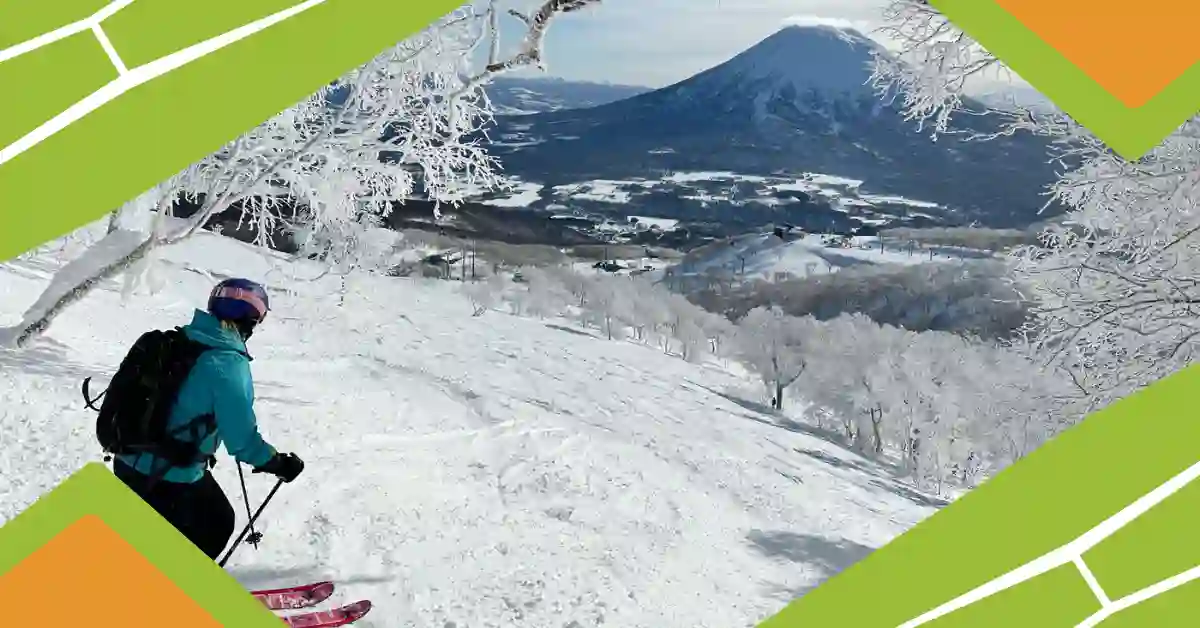
Japan has long been celebrated as a top destination for winter sports enthusiasts, attracting skiers and snowboarders from around the world. Renowned for its legendary “Japow” ultra-light, dry powder snow the country offers experiences that are hard to find elsewhere. This snow, formed by frigid Siberian winds sweeping across the islands, creates conditions that every skier dreams of. Coupled with diverse terrain, traditional culture, and modern resort facilities, skiing in Japan is more than just a sport it’s an immersive winter adventure.
Why Japan is a Skiing Paradise
One of the key reasons Japan stands out is the quality and consistency of its snow. Unlike Europe or North America, where snow conditions can vary widely, Japanese ski resorts, especially in Hokkaido, enjoy some of the highest snowfall totals in the world, averaging 15–21 meters per season. The dry, powdery snow not only offers exceptional skiing but also ensures a smooth, floating sensation while descending slopes a thrill both beginners and advanced skiers appreciate.
Additionally, Japan’s skiing culture blends modern amenities with centuries-old traditions. Visitors can enjoy world-class lifts and equipment rentals while experiencing local customs like soaking in an onsen (hot spring) after a long day on the slopes. This combination of sport, comfort, and culture makes skiing in Japan a unique experience.
Key Skiing Regions
Japan’s ski resorts are mainly concentrated in two regions: the northern island of Hokkaido and the Japanese Alps on Honshu, the main island. Each region offers distinct advantages depending on the type of skiing experience you seek.
Hokkaido
Hokkaido is perhaps the most famous ski region in Japan, renowned for its deep powder and reliable snowfall. The island’s terrain is relatively gentle and expansive, making it ideal for powder skiing and tree runs. Resorts like Niseko United and Rusutsu are international favorites, offering English-friendly services, extensive ski areas, and vibrant nightlife. Hokkaido also appeals to families and powder enthusiasts alike, with wide-open slopes and fewer crowds compared to the mainland.
- Niseko United: Often described as the epicenter of Japow, Niseko features four interconnected ski areas, a lively après-ski scene, and extensive English-language services. It’s perfect for those seeking a cosmopolitan ski holiday.
- Rusutsu: Ideal for families and tree-skiing lovers, Rusutsu boasts world-class tree runs, spacious slopes, and a range of off-slope attractions, including indoor wave pools.
Japanese Alps (Nagano & Niigata)
The Japanese Alps region, spanning Nagano and Niigata, is known for steeper, more technical terrain. These areas were made famous by the 1998 Winter Olympics, and they continue to attract skiers looking for a challenging experience. The Alps’ resorts are highly accessible from Tokyo via Shinkansen (bullet train), making them perfect for weekend trips or shorter stays.
- Hakuba Valley (Nagano): A cluster of 10 resorts with varied terrain, Hakuba is perfect for advanced skiers seeking steeps and long runs. Its Olympic legacy adds prestige and quality to its slopes.
- Nozawa Onsen (Nagano): This historic village blends skiing with traditional Japanese culture. Cobblestone streets and 30+ free public onsens make it a charming destination for those who want more than just skiing.
- Shiga Kogen (Nagano): Japan’s largest interconnected ski area, Shiga Kogen allows skiers to explore more than 18 resorts on a single lift pass. Its vast size ensures endless exploration for all skill levels.
- GALA Yuzawa (Niigata): Perfect for day trips from Tokyo, GALA Yuzawa’s gondola station is conveniently integrated into the Shinkansen station, allowing visitors to hit the slopes within 75–90 minutes of the city.
When to Go
Japan’s ski season typically runs from mid-December to early April. The peak powder months are January and February, when the combination of Siberian winds and cold temperatures produces the driest, fluffiest snow. Early or late-season visits can still be enjoyable, but skiers seeking the ultimate Japow experience should plan their trips during these core months.
Planning Your Trip
Lift Tickets and Rentals
A standard one-day lift pass in Japan ranges from ¥5,000 to ¥8,000 (roughly S$45–S$72), depending on the resort and season. Equipment rentals are also straightforward, with full sets (skis/board, boots, poles) available for ¥4,000–¥6,500 per day. For beginners or those seeking to refine their skills, group lessons typically start around ¥12,000, while private half-day lessons can cost upwards of ¥31,000.
Accommodation
Japanese ski resorts offer a mix of options, from luxury hotels to traditional ryokans (inns). Ski-in/ski-out resorts, particularly in Hokkaido, are ideal for convenience and maximizing slope time. In Nagano, staying in charming villages like Nozawa Onsen provides cultural immersion, with traditional Japanese meals and hot spring baths just steps away.
Onsen Etiquette
A quintessential part of skiing in Japan is visiting an onsen. These natural hot springs are perfect for soothing sore muscles after a day on the slopes. However, visitors should be mindful of local customs: most onsens require total nudity and may restrict visible tattoos. Private or “tattoo-friendly” options are available for those seeking more privacy or flexibility.
Luggage Delivery
Japan’s efficient luggage delivery service, Takkyubin, allows travelers to ship ski gear from airports directly to resorts or between hotels. This convenient service saves time and spares you from the hassle of hauling bulky bags on trains.
Experience Beyond the Slopes
Skiing in Japan is not just about snow it’s also a cultural journey. Hokkaido’s resorts feature international dining and nightlife, while Nagano offers historic villages, local festivals, and culinary delights. Traditional experiences, such as staying in ryokans and sampling regional cuisine, complement the thrill of the slopes. Visitors can also enjoy winter activities like snowshoeing, snowmobiling, and scenic gondola rides, adding variety to the winter holiday.
Why Skiing in Japan Stands Out
Several factors set Japan apart as a skiing destination:
- Exceptional Powder: The unique climate produces dry, fluffy snow unrivaled globally.
- Diverse Terrain: From beginner-friendly runs in Hokkaido to challenging descents in the Japanese Alps, there’s something for every skill level.
- Cultural Immersion: Skiing in Japan is intertwined with local traditions, from onsen baths to historic villages.
- Accessibility: Resorts in Nagano and Niigata are a short ride from Tokyo via Shinkansen, making day trips and short holidays feasible.
- Family-Friendly Options: Hokkaido resorts, in particular, cater to families, with wide slopes and off-slope activities.
Insider Tips for First-Time Visitors
- Book Early: Japan’s top resorts, like Niseko and Hakuba, fill up quickly during peak months. Early booking ensures better lodging and lift pass options.
- Layer Up: Winter temperatures can be extreme, especially in Hokkaido. Layered clothing and waterproof gear are essential.
- Try Local Cuisine: Warm up with hearty dishes such as ramen, nabe (hot pot), and Hokkaido’s famous seafood.
- Plan for Transport: Many resorts are accessible by trains, buses, or shuttle services. Using Takkyubin for gear delivery makes travel easier.
Conclusion
Skiing in Japan offers an unparalleled blend of world-class powder, diverse terrain, and cultural experiences. Whether you seek the cosmopolitan vibe of Niseko, the traditional charm of Nozawa Onsen, or the adventurous slopes of Hakuba, Japan provides a winter getaway that goes beyond skiing. By combining thrilling runs, immersive local culture, and the soothing warmth of an onsen, a ski holiday in Japan becomes an unforgettable journey for any traveler.
From families and beginners to seasoned skiers craving powder, Japan’s mountains deliver a magical experience, making it one of the most coveted winter destinations in the world. If you’re planning your next ski adventure, Japan promises not just snow but memories that last a lifetime.
Also Read: Japan’s Gaming and Entertainment Landscape: A Complete Guide