How to Say Happy Birthday in Japanese: Phrases, Pronunciation & Cultural Tips
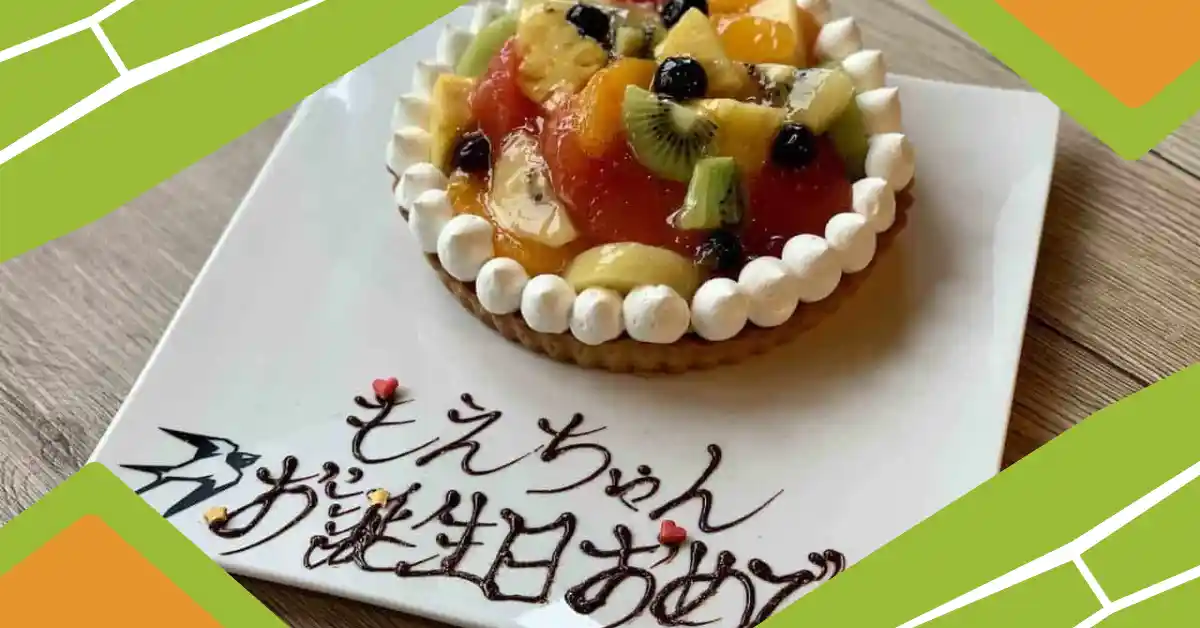
If you’re looking to connect with Japanese friends or colleagues, learning how to say happy birthday in Japanese is a thoughtful and meaningful gesture. Birthdays in Japan are celebrated differently than in Western cultures, so understanding the right phrases, pronunciation, and cultural nuances can help you express your wishes authentically. In this guide, we’ll explore the essential phrases, tips for correct pronunciation, and cultural considerations that make your birthday greeting truly special.
Understanding Birthday Culture in Japan
Before diving into specific phrases, it’s important to understand how birthdays are viewed in Japan. Unlike some Western countries where large parties are common, Japanese birthday celebrations tend to be more intimate, often shared with close family or friends. Adults may celebrate quietly, while children often have parties with classmates.
Knowing this context helps when you want to say happy birthday in Japanese, as the tone and choice of words can vary depending on your relationship with the person. Being respectful and sincere is more valued than flashy celebrations or extravagant gifts.
Essential Birthday Phrases
To say happy birthday in Japanese, you don’t need to memorize long sentences. A simple, well-pronounced greeting is usually enough to convey your good wishes. There are a few common ways to express birthday greetings, each suitable for different levels of formality:
- Casual greetings: Used with friends or younger people.
- Formal greetings: Appropriate for coworkers, elders, or people you don’t know well.
While there are many phrases, focusing on one or two ensures you can pronounce them naturally and confidently. Repeating them correctly will make your wishes feel genuine.
Pronunciation Tips for Clarity
Pronunciation is key when trying to say happy birthday in Japanese correctly. Japanese is a syllable-timed language, which means each syllable should have roughly equal emphasis. Unlike English, where intonation can vary dramatically, Japanese sounds are relatively flat but precise.
Here are some practical tips:
- Speak slowly at first, breaking the phrase into syllables.
- Avoid stressing any single syllable excessively.
- Listen to native speakers online or use pronunciation apps to mimic the tone.
Even if your pronunciation isn’t perfect, showing effort to speak the language correctly is appreciated in Japanese culture.
Adding Personal Touches to Your Greeting
Beyond the basic phrases, you can enhance your birthday message with a few personal touches. For example, expressing a wish for health, happiness, or success adds warmth and sincerity. When you say happy birthday in Japanese, pairing it with a small compliment or acknowledgment of the person’s accomplishments shows attentiveness and care.
Small gestures, like giving a handwritten card or a thoughtful gift, can also elevate your greeting. In Japan, presentation matters, so neatly wrapping a present or adding a small decorative element can make a significant difference.
Common Mistakes to Avoid
When learning how to say happy birthday in Japanese, it’s easy to make a few mistakes if you’re not familiar with cultural norms. Here are key things to keep in mind:
- Avoid overcomplicating your phrases. Simple greetings are more appreciated.
- Refrain from using overly casual language with someone you don’t know well.
- Don’t assume every Japanese person celebrates birthdays in the same way some adults prefer private observances.
Being aware of these nuances will help you give your birthday wishes in a way that feels natural and respectful.
When and Where to Use Your Greeting
Timing also matters when you want to say happy birthday in Japanese. Ideally, offer your greeting on the exact day of the birthday, or at the beginning of a celebration if one is planned. Public displays of affection or loud celebrations are less common, so a quiet, sincere greeting either in person or through a message works best.
For colleagues or acquaintances, a short note or email with a respectful tone is often the preferred method. For close friends and family, face-to-face greetings, cards, and small gifts are customary.
The Importance of Tone and Sincerity
In Japanese culture, how you say something often carries as much weight as the words themselves. Sincerity is key when you say happy birthday in Japanese. Even a brief greeting, if delivered genuinely, can leave a lasting impression.
Maintaining a cheerful but modest tone is ideal. Smiling lightly and making eye contact (if culturally appropriate) reinforces your friendly intentions without appearing over-the-top.
Enhancing Your Greeting with Cultural Awareness
Finally, understanding cultural subtleties can make your birthday wishes stand out. In Japan, the act of celebrating someone’s age is less about extravagant parties and more about acknowledging their personal growth and expressing goodwill.
Consider the following approaches:
- Include a note of appreciation for your relationship with the person.
- If giving a gift, choose something meaningful but modest.
- Respect personal boundaries and avoid drawing too much attention in group settings.
These gestures show that you not only know how to say happy birthday in Japanese but also understand and respect the cultural context.
Conclusion
Learning to say happy birthday in Japanese is more than just memorizing phrases it’s about genuinely connecting with someone in a respectful and heartfelt way across cultural lines. Understanding the nuances of Japanese birthday traditions allows your greeting to feel authentic rather than superficial. By paying attention to pronunciation, selecting the appropriate phrases, and expressing your wishes sincerely, you show that you value both the person and their culture. Even a simple, well-pronounced greeting can leave a lasting impression.
Beyond the words themselves, being mindful of Japanese customs adds depth to your wishes. Small gestures, like giving a neatly wrapped gift or including a personal note of appreciation, can enhance your message and show genuine care. Whether you’re wishing a close friend, a family member, or a coworker, approaching your greeting with warmth, respect, and cultural awareness ensures it resonates meaningfully. Combining the right words with thoughtful delivery makes your birthday wishes memorable and sincere.