The Role of Shrines and Temples in Everyday Japanese Life and Cultural Traditions
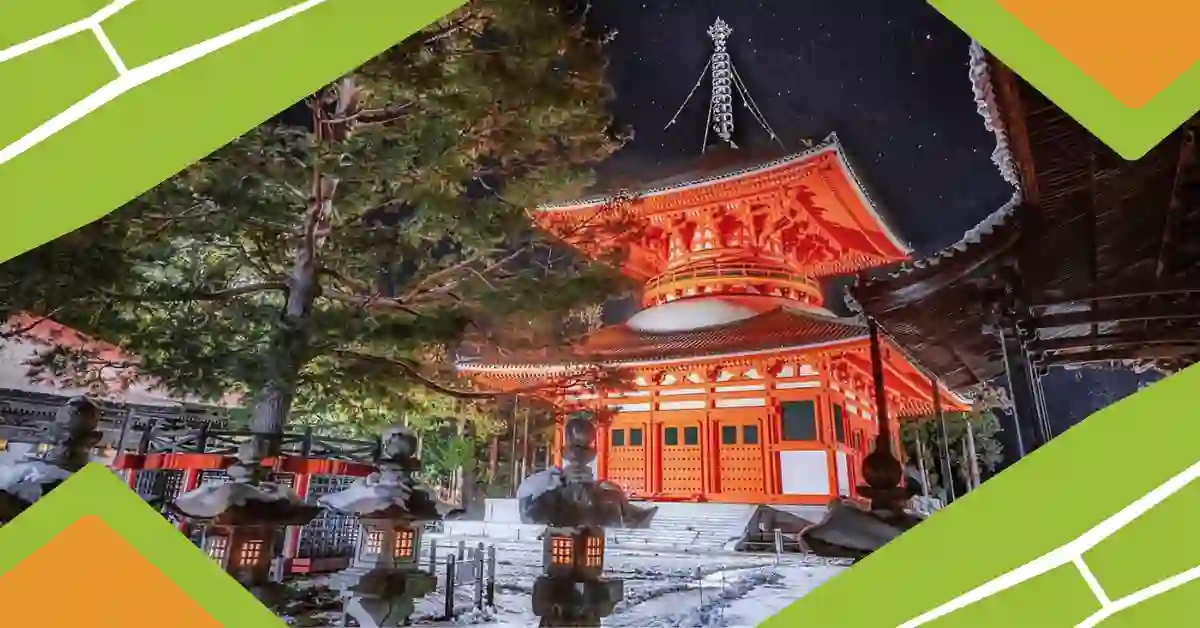
The role of Shrines and temples in everyday Japanese life is deeply woven into the nation’s cultural identity, shaping how people celebrate milestones, connect with spirituality, and engage with tradition. From bustling cities like Tokyo to rural mountain villages, these sacred spaces are not only historical landmarks but also living centers of faith, reflection, and community. Understanding their significance offers valuable insight into Japan’s cultural continuity, where ancient practices remain relevant in modern society.
Spiritual Foundations and Historical Significance
Japan’s religious landscape is shaped primarily by two traditions: Shinto and Buddhism. Shinto, the indigenous belief system, centers around the worship of kami spirits associated with nature, ancestors, and sacred places. Shrines, known as jinja, are dedicated to these kami and are often located in natural settings such as forests, mountains, or near water. Buddhism, introduced from mainland Asia in the 6th century, brought temples (tera) that serve as places of worship, meditation, and philosophical study.
Over centuries, these two traditions have blended harmoniously, influencing everything from architecture to festivals. Many Japanese people do not strictly identify with a single religion; instead, they participate in both Shinto and Buddhist practices depending on the occasion. This syncretism is one of the defining features of Japan’s cultural and spiritual identity.
Historically, shrines and temples also functioned as centers of education, governance, and community organization. Monks and priests were often among the most educated members of society, preserving literature, teaching ethics, and advising rulers. Even today, many of these sacred sites preserve ancient manuscripts, artworks, and architectural styles that offer a glimpse into Japan’s past.
Shrines, Temples, and Everyday Life in Modern Japan
Despite rapid modernization, shrines and temples continue to play a vital role in daily life. They are not merely tourist attractions; they are active spaces where people seek blessings, perform rituals, and find moments of peace amid busy routines.
One of the most common interactions with shrines occurs during life milestones. From birth to adulthood, Japanese people often visit these sacred places for important ceremonies:
- New Year visits (Hatsumode): Millions of people visit shrines and temples in the first days of January to pray for health, happiness, and prosperity in the coming year.
- Childhood blessings (Shichi-Go-San): Families bring children aged three, five, and seven to shrines to pray for their growth and well-being.
- Weddings and personal milestones: Shinto shrines are popular venues for traditional wedding ceremonies, symbolizing purity and harmony.
- Funeral rites: Buddhist temples play a central role in funerals and memorial services, offering prayers for the deceased and support for grieving families.
Beyond formal rituals, many people also visit shrines and temples for personal reflection. It is common to see students praying for exam success, workers seeking career guidance, or travelers offering gratitude for safe journeys. These visits are often brief but meaningful, reinforcing a sense of connection between daily life and spiritual well-being.
In urban environments, smaller shrines are often integrated into neighborhoods, office complexes, and even shopping districts. This accessibility ensures that spiritual spaces remain part of everyday routines rather than distant or occasional destinations.
Cultural Traditions and Seasonal Festivals
Shrines and temples are at the heart of Japan’s vibrant festival culture, known as matsuri. These events celebrate seasonal changes, agricultural cycles, historical legends, and local deities. They also serve as opportunities for communities to gather, strengthening social bonds across generations.
One of the most famous examples is the Gion Matsuri in Kyoto, associated with local shrine traditions. Similarly, Buddhist temples host Obon festivals, a time when families honor the spirits of their ancestors through lantern lighting and ceremonial dances. These events reflect a deep respect for both nature and ancestry, which are central themes in Japanese culture.
Seasonal rituals also highlight the connection between spiritual life and the natural world. In spring, cherry blossom viewing (hanami) often begins with visits to shrines and temples located in scenic parks. In autumn, people visit temples surrounded by vibrant red and orange foliage, reflecting on impermanence and beauty. These seasonal experiences are not only aesthetic but also philosophical, encouraging mindfulness and appreciation of nature’s cycles.
In addition to major festivals, smaller rituals take place throughout the year. For example, purification rituals at shrine entrances cleanse visitors of spiritual impurities before they enter sacred grounds. Temples may host meditation sessions or tea ceremonies that encourage inner calm and reflection.
A few key cultural roles include:
- Preserving local traditions and folklore
- Hosting seasonal celebrations tied to nature
- Providing communal spaces for festivals and rituals
- Supporting artistic expressions such as music, dance, and calligraphy
These activities ensure that shrines and temples remain dynamic cultural institutions rather than static historical sites.
Architectural Beauty and Symbolism
Another important aspect of shrines and temples is their architectural significance. Shinto shrines are typically characterized by torii gates, which mark the transition from the secular world to the sacred. Natural materials like wood and stone are commonly used, emphasizing harmony with the environment.
Buddhist temples, on the other hand, often feature pagodas, incense halls, and elaborate statues of Buddha and bodhisattvas. The architectural diversity reflects different philosophical approaches to spirituality Shinto emphasizing purity and nature, while Buddhism focuses on enlightenment and transcendence.
Famous sites such as Fushimi Inari Taisha with its thousands of red torii gates, and Senso-ji Temple in Asakusa, showcase how sacred architecture becomes a powerful cultural symbol. These spaces are not only visually striking but also deeply meaningful, representing layers of belief, history, and communal memory.
The Continuing Relevance in Contemporary Society
Even in a highly technological society, shrines and temples continue to provide balance and grounding. Many Japanese people may not engage in daily religious practice, yet still turn to these sacred spaces during important moments in life. This reflects a cultural approach to spirituality that is flexible, inclusive, and deeply integrated into social life.
Modern shrines and temples have also adapted to contemporary needs. Some offer digital omamori (charms), online prayer services, and multilingual guidance for international visitors. Others engage in environmental conservation efforts, aligning traditional beliefs in nature with modern sustainability goals.
This adaptability ensures that the role of Shrines and temples remains relevant, bridging ancient wisdom with present-day realities.
Conclusion: Living Traditions in a Modern World
The role of Shrines and temples in Japan is far more than ceremonial or historical; it is a living tradition that continues to shape identity, community, and daily life. These sacred spaces connect individuals to nature, ancestors, and society, offering continuity in an ever-changing world.
From quiet morning prayers to vibrant seasonal festivals, shrines and temples embody the essence of Japanese cultural heritage. They are places where the past and present coexist, ensuring that spiritual and cultural traditions remain an integral part of everyday life for generations to come.