Mysterious Steel Giant Emerges in Osaka, Halting Traffic and Revealing Infrastructure Woes
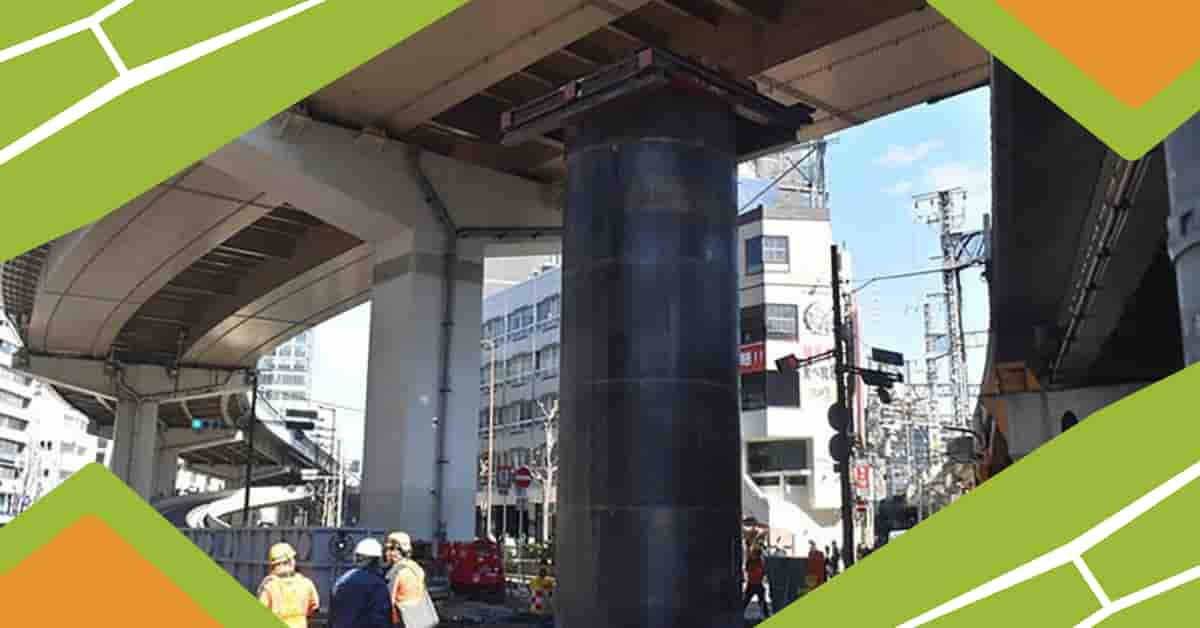
In a startling turn of events on March 11, 2026, the bustling city of Osaka became the scene of a surreal engineering mystery: a massive steel pipe, once buried underground for sewer construction, suddenly thrust skyward, towering 13 meters above the city streets. Residents and commuters were left in disbelief as traffic snarled and authorities scrambled to contain the unexpected hazard. The bizarre incident has reignited fears over Japan’s aging infrastructure and the potential dangers lying beneath its urban landscapes.
A Sudden and Startling Appearance
Osaka, home to approximately 2.8 million residents, witnessed what some have called a “steel giant awakening.” At a construction site near the elevated highways that cut across the city, workers had left a massive steel casing designed to hold back soil during underground sewer work securely buried. However, by the early hours of March 11, the cylindrical structure had erupted through the asphalt, creating a four-story high spectacle that drew immediate media attention and public concern.
“This pipe wasn’t there yesterday,” an Osaka city official told AFP, describing the suddenness of the event. “It was as if the ground itself decided to push it up.” Passersby and early morning commuters were stunned, with some comparing the scene to a surreal urban sculpture.
The steel cylinder measured 3.5 meters in diameter and originally served as a support casing for underground flood-mitigation sewer work. Its sudden ascent not only damaged the surrounding asphalt but also threatened the stability of nearby elevated roads, creating a dangerous situation that prompted emergency measures.
Emergency Measures and Traffic Chaos
In response to the unexpected hazard, city workers moved quickly to stabilize the protruding pipe. Water was poured into its hollow interior to increase its weight and counterbalance the pressure from below. By Friday morning, the once-menacing cylinder had been reduced to a more manageable height of 1.6 meters, allowing partial reopening of two critical roads leading into Osaka’s city center.
Despite these interventions, the incident caused significant disruptions. Commuters faced long delays as traffic was rerouted, highlighting the city’s vulnerability to sudden infrastructure failures. The extraordinary nature of the event drew both domestic and international media attention, with videos and photographs of the towering steel structure circulating widely on social media platforms.
Japan’s Infrastructure: A Growing Concern
This incident in Osaka is not isolated. Japan has long grappled with aging infrastructure, and the steel pipe eruption serves as a stark reminder of the country’s vulnerable underbelly. Just last year, a tragic sinkhole in Saitama Prefecture near Tokyo swallowed a truck and its 74-year-old driver during rush hour. Investigations revealed that corroded sewage pipes had eroded the soil beneath, causing a 15-meter-deep chasm, as wide as an Olympic-sized pool. The rescue operation lasted an entire week, highlighting both the dangers and the logistical challenges of addressing infrastructure decay.
Similarly, Osaka’s steel cylinder incident underscores the risks posed by buried structures that have outlived their expected lifespans. The combination of soil pressure, possible anchoring failures, and aging materials creates scenarios where sudden and dramatic failures can occur. Experts warn that urban centers like Osaka, Tokyo, and Nagoya face increasing risks as decades-old infrastructure continues to deteriorate under the strain of modern demands and natural phenomena such as heavy rainfall, earthquakes, and soil subsidence.
Financial Strain Complicates Repairs
Beyond the technical challenges, Japan’s cities face financial hurdles that make rapid infrastructure renewal difficult. Osaka, for instance, has grappled with budget shortfalls affecting critical public works. In a peculiar turn, the city recently received an anonymous donation of 21 kilograms of gold, valued at $3.6 million, intended to aid its aging water system. While a previous donation of $3,300 had been largely symbolic, the gold gift underscores both the public’s awareness of the city’s urgent needs and the unusual avenues through which municipal funding sometimes arises.
Mayor Hideyuki Yokoyama publicly acknowledged the donation, emphasizing the importance of proactive maintenance. Yet, local reports indicate that pipe replacement projects often exceed their budgets and stall due to bureaucratic delays, leaving vital underground systems increasingly vulnerable.
Investigating the Root Cause
Experts are still piecing together the reasons behind the pipe’s dramatic ascent. Preliminary hypotheses suggest a combination of factors:
- Soil Pressure: Heavy rains or shifts in underground soil could have exerted immense force on the buried steel casing, forcing it upward.
- Anchoring Failure: Improperly secured or weakened anchoring mechanisms may have failed under the weight of surrounding earth.
- Material Fatigue: Decades of corrosion or metal fatigue could have reduced the pipe’s structural integrity, allowing for sudden movement.
Authorities continue to conduct geotechnical surveys around the site to ensure no further underground hazards exist. Monitoring of nearby roads and sewer networks has been intensified, with engineers using ground-penetrating radar and pressure sensors to detect instability before it can cause another emergency.
National Response and Infrastructure Renewal
Prime Minister Sanae Takaichi has pledged a “responsible and proactive” approach to infrastructure investment. Tokyo is reportedly reviewing nationwide inspections of aging sewer systems, bridges, and urban tunnels, aiming to prevent incidents similar to Osaka’s steel pipe eruption.
This proactive stance is vital in a country where urban density, seismic activity, and frequent typhoons compound the risks associated with aging infrastructure. Experts argue that only a combination of timely maintenance, modernization, and emergency preparedness can safeguard cities from sudden collapses or unexpected eruptions of underground structures.
Lessons for Urban Planning and Safety
Osaka’s steel giant, though now partially subdued, serves as a visual metaphor for Japan’s hidden vulnerabilities. It highlights the importance of:
- Regular Maintenance: Aging underground infrastructure must be inspected routinely, with timely replacements to prevent catastrophic failures.
- Investment in Technology: Tools like ground-penetrating radar and AI-driven structural monitoring can detect early warning signs of soil or pipe instability.
- Public Awareness and Emergency Preparedness: Citizens and commuters must be informed about potential hazards, with clear evacuation and traffic protocols to mitigate risks.
Urban planners worldwide can learn from Osaka’s experience, as modern cities increasingly contend with the challenge of maintaining aging infrastructure while accommodating growing populations.
Conclusion: A Cautionary Tale
The sudden rise of a steel cylinder in Osaka is more than just a local oddity it is a warning for urban centers globally. Japan’s underground networks, essential to public health, transportation, and flood control, are under pressure from time, usage, and natural forces. The incident underscores a fundamental truth: modern cities are only as safe as the foundations beneath them.
As roads reopen and life in Osaka returns to a semblance of normalcy, the city and indeed, the nation faces a pressing question: how long can a metropolis function when its vital arteries lie beneath a ticking time bomb of corroded pipes and shifting soil? The answer will shape Japan’s infrastructure strategy for decades to come, reminding all urban centers that the unseen can erupt into the unforgettable.