Most Popular Sport in Japan: History, Players & Top Leagues Explained
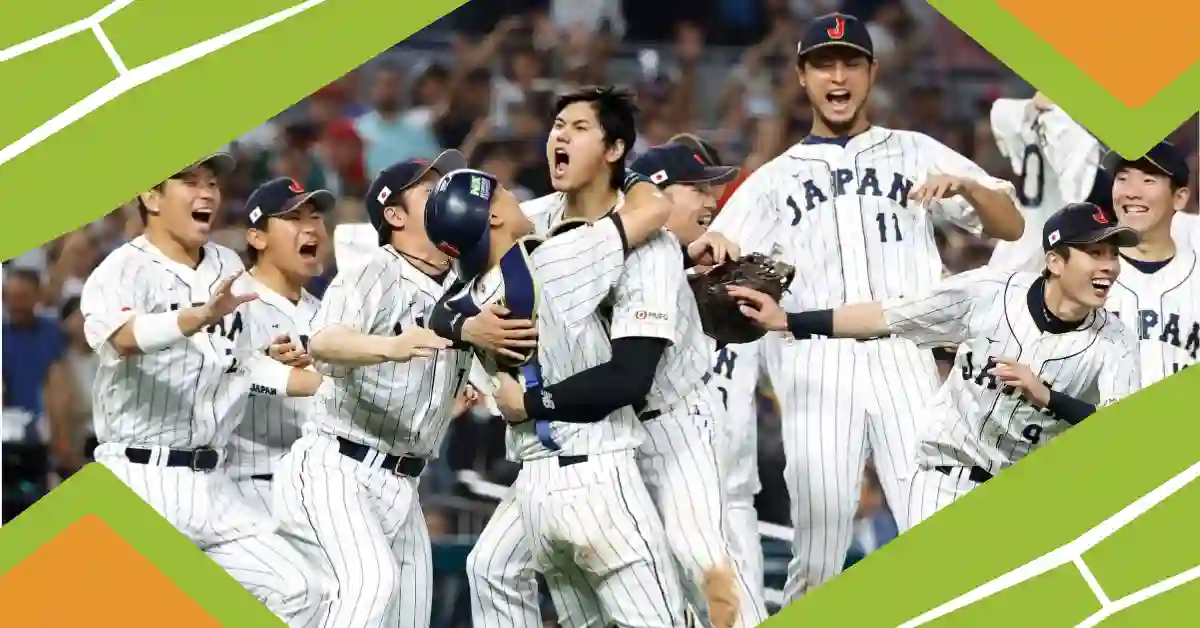
When discussing the most popular sport in Japan, Baseball immediately comes to mind. Introduced to Japan in the late 19th century, baseball has become more than just a pastime it’s a cultural phenomenon. With passionate fans, legendary players, and top-tier leagues, it captures the spirit of Japanese sportsmanship and continues to dominate the athletic landscape.
The Origins of the Most Popular Sport in Japan
Baseball was first introduced to Japan in 1872 by an American teacher, Horace Wilson, in Tokyo. Its early adoption was largely within schools and universities, which helped lay the foundation for the sport’s widespread popularity. By the early 20th century, baseball had evolved from a foreign novelty to a national obsession. Japanese teams began competing in formal leagues, and the sport became a symbol of discipline, teamwork, and strategic thinking values highly regarded in Japanese society.
The professionalization of baseball in Japan began in the 1930s with the creation of the Japanese Baseball League. This league eventually evolved into today’s Nippon Professional Baseball (NPB), the highest level of professional baseball in Japan.
Iconic Players Who Shaped the Game
No discussion of Japan’s most popular sport is complete without mentioning its legendary players. Among the early trailblazers was Eiji Sawamura, whose pitching skills in the 1930s earned him international recognition. In more recent decades, players like Ichiro Suzuki and Shohei Ohtani have brought Japanese baseball to the global stage.
Ichiro Suzuki, often hailed as one of the best hitters in modern baseball, became a sensation both in Japan and the United States, setting records in Major League Baseball while maintaining a deep connection to Japanese fans. Shohei Ohtani, meanwhile, has redefined the concept of a two-way player, excelling as both a pitcher and a hitter. Their contributions have inspired countless young athletes and cemented baseball’s status as the most popular sport in Japan.
Structure of Top Leagues in Japan
Japan’s baseball system is meticulously organized, with the Nippon Professional Baseball league at its core. The NPB is divided into two main leagues: the Central League and the Pacific League, each comprising six teams. The season culminates in the Japan Series, a championship that rivals Major League Baseball’s World Series in intensity and prestige.
Apart from the professional scene, amateur baseball holds tremendous importance. High school baseball tournaments, particularly the National High School Baseball Championship at Koshien Stadium, attract nationwide attention. This annual event showcases emerging talent and is often a stepping stone for future professional stars, illustrating the depth of the sport’s cultural impact.
Baseball’s Cultural Impact in Japan
The influence of the most popular sport in Japan extends beyond the field. Baseball fosters community engagement, with local teams and school clubs acting as hubs for social interaction and discipline development. Japanese baseball fans are renowned for their unwavering support, vibrant stadium traditions, and orchestrated chants that turn games into spectacular spectacles.
Furthermore, the sport has inspired a vast array of media, from manga and anime like Touch and Major to films and television dramas centered around baseball, further solidifying its cultural resonance. Baseball is not just a sport in Japan; it is a lens through which teamwork, perseverance, and respect are celebrated.
Why Baseball Outshines Other Sports
While sports like soccer and sumo wrestling have passionate followings, baseball consistently remains the favorite. Soccer has grown in popularity thanks to the J-League and Japan’s participation in international tournaments, but it hasn’t matched the deep-rooted tradition of baseball. Sumo, though iconic and uniquely Japanese, is seasonal and appeals to a more niche audience compared to the widespread engagement seen in baseball.
The accessibility of baseball, with its youth leagues and school programs, ensures that generations of players and fans continue to engage with the sport from an early age. This generational continuity is one of the reasons baseball is often referred to as the most popular sport in Japan.
Future of Baseball in Japan
Looking ahead, baseball in Japan shows no signs of declining popularity. The continued success of Japanese players in international leagues, coupled with domestic league improvements, suggests a bright future. Efforts to modernize stadiums, enhance fan experiences, and promote the sport globally are likely to attract new audiences while retaining the loyal fan base.
Additionally, Japan’s hosting of international events, such as the World Baseball Classic, further boosts the sport’s global visibility. With young talents emerging from high school and university leagues, the pipeline of skilled players ensures that baseball will remain the cornerstone of Japanese sports culture.
Conclusion
Baseball’s deep history, celebrated players, and structured leagues make it the undisputed most popular sport in Japan. Its cultural significance, from school fields to professional stadiums, reflects the values of teamwork, discipline, and dedication that resonate across generations. As Japan continues to produce world-class talent and nurture passionate fans, baseball’s legacy as the nation’s favorite sport is firmly secured.
For those seeking to understand Japanese sports culture, following baseball offers a window into the heart of Japan’s athletic identity, making it a truly unique and enduring phenomenon.
Also Read: Diet & Lifestyle Secrets Japanese Women Follow for Health & Beauty