Manga vs Anime: Differences, Similarities, and Which One You Should Start With
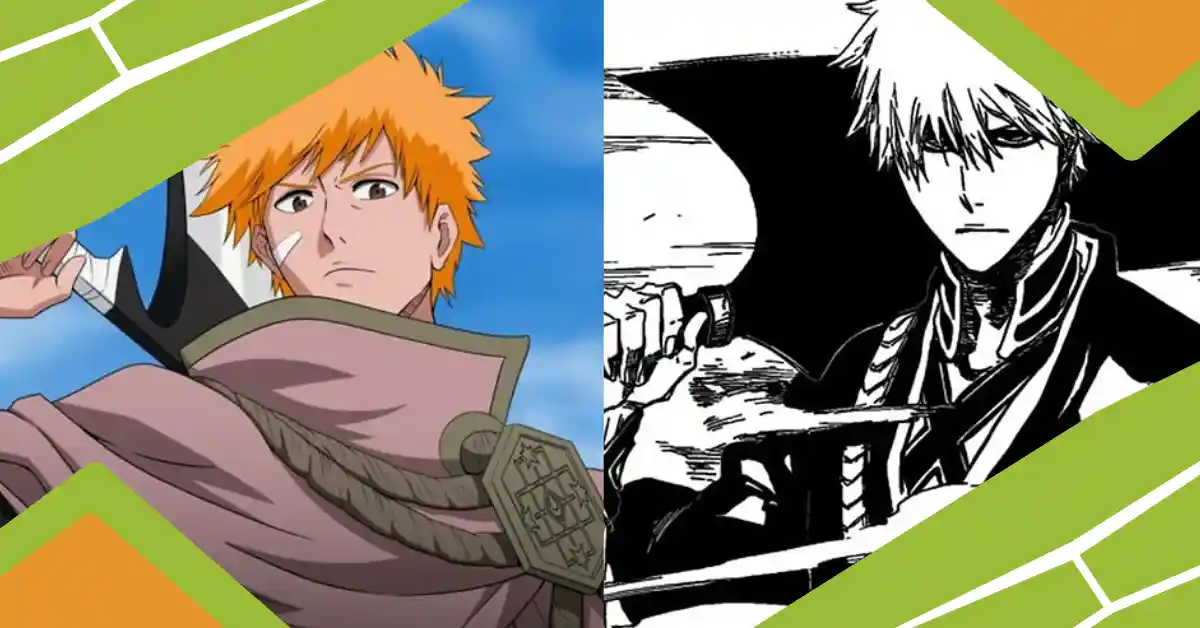
Manga vs Anime is one of the most common comparisons among new and seasoned fans exploring Japanese storytelling. Manga vs Anime often sparks debate because both formats deliver rich narratives, but in very different ways.
Japanese pop culture has become a global phenomenon, and manga and anime sit at its core. While they share characters, plots, and creative origins, they differ in presentation, pacing, accessibility, and overall experience. If you’re trying to decide which medium to dive into first, understanding these differences can help you choose the right starting point based on your preferences.
What Is Manga?
Manga refers to Japanese comic books or graphic novels that are typically read from right to left. They are usually black-and-white, serialized in magazines or published as standalone volumes (tankōbon). Manga covers a wide range of genres, including action, romance, horror, fantasy, slice-of-life, and psychological thrillers.
One of the biggest strengths of manga is its pacing control. Readers can go at their own speed, re-read panels, and absorb details in artwork and dialogue. Authors often use detailed illustrations to convey emotions and story progression without the need for sound or motion.
Manga also tends to release chapters earlier than their animated counterparts, meaning fans often read ahead of anime adaptations to stay updated on the story.
What Is Anime?
Anime refers to animated television shows or films originating from Japan. Unlike manga, anime adds motion, color, voice acting, music, and sound effects to storytelling. This makes anime a more immersive and sensory experience.
Anime adaptations often bring manga stories to life with dynamic fight scenes, emotional soundtracks, and expressive voice performances. However, due to production constraints, anime sometimes adapts only portions of a manga or introduces filler episodes to allow the source material to progress.
Anime is widely available through streaming platforms, making it more accessible to casual viewers who prefer watching over reading.
Manga vs Anime: Key Differences Explained
The most important differences between manga and anime come down to format, pacing, and sensory experience.
In manga, storytelling is static but highly detailed. Readers interpret motion, sound, and timing through imagination. This creates a deeply personal experience where each reader may visualize scenes differently.
Anime, on the other hand, removes ambiguity by providing fully animated sequences. Music, dialogue delivery, and color palettes shape emotional tone more directly. This makes anime more cinematic but sometimes less flexible in interpretation.
Another key difference is pacing. Manga usually progresses faster because it does not rely on animation production schedules. Anime may slow down or alter pacing to fit episode formats or production timelines.
Finally, accessibility plays a role. Manga requires reading effort and sometimes translation availability, while anime can be more immediately engaging for visual learners or those new to the medium.
Similarities Between Manga and Anime
Despite their differences, manga and anime share a strong creative connection. Most anime are adapted directly from manga series, meaning they often follow the same storyline, characters, and world-building rules.
Both formats emphasize strong character development and long-form storytelling. Whether you’re reading or watching, you’ll encounter deep emotional arcs, complex villains, and evolving relationships.
Additionally, both mediums often explore similar genres and themes such as friendship, perseverance, identity, and moral conflict. This shared narrative foundation is what makes fans of one medium often transition to the other.
Storytelling Experience: Reading vs Watching
The experience of consuming manga is more introspective. Readers control the pace and can pause to analyze artwork, symbolism, and dialogue structure. This makes manga ideal for those who enjoy detailed storytelling and imagination-driven interpretation.
Anime, however, provides a guided experience. Viewers are presented with a complete audiovisual package that directs emotional responses through music, voice acting, and animation style. This makes anime especially impactful during high-intensity or emotional scenes.
Your preference here depends on whether you enjoy creative interpretation or a fully realized sensory experience.
Which One Is More Detailed?
In many cases, manga is more detailed than anime. This is because manga is the original source material and is not restricted by animation budgets or episode limits. Authors can include subtle background details, inner monologues, and extended story arcs.
Anime adaptations may condense or modify content to fit runtime constraints. However, high-quality adaptations can enhance scenes through animation quality, voice acting, and sound design.
If you want the most complete version of a story, manga is often the better option. If you prefer enhanced emotional impact, anime may be more suitable.
Pros and Cons of Manga
Manga offers several advantages. It is often faster to consume, less resource-intensive, and closer to the creator’s original vision. It also allows readers to explore stories at their own pace.
However, manga requires more imagination, and some readers may find black-and-white visuals less engaging. It also lacks audio and motion, which can reduce emotional intensity for certain scenes.
Despite these drawbacks, manga remains a preferred medium for many dedicated fans due to its depth and authenticity.
Pros and Cons of Anime
Anime excels in presentation. It combines visuals, sound, and motion to create a highly immersive experience. It is also more beginner-friendly for audiences unfamiliar with manga reading formats.
On the downside, anime can suffer from filler episodes, production delays, or incomplete adaptations. Some series may never fully adapt the manga storyline.
Still, anime remains one of the most powerful storytelling mediums due to its emotional and cinematic qualities.
How to Decide Which One to Start With
Choosing between manga and anime depends on your personal preferences and lifestyle. If you enjoy reading, prefer faster story progression, and want the most complete narrative, manga is a strong starting point.
If you prefer watching over reading, enjoy soundtracks and voice acting, or want a more cinematic experience, anime is likely the better choice.
Many fans eventually enjoy both formats, starting with anime and continuing the story in manga form once they reach the end of available episodes.
Cultural Impact and Global Popularity
Both manga and anime have had a massive influence on global pop culture. From fashion and gaming to film and storytelling techniques, their impact is widespread.
Anime conventions, fan art communities, and online streaming platforms have made these mediums more accessible than ever. Manga has also gained international popularity through digital platforms and translated editions.
This global reach has helped Japanese storytelling become a dominant force in modern entertainment.
Final Thoughts
Understanding Manga vs Anime helps you appreciate the strengths of each medium and choose the one that best fits your preferences. While manga offers depth and creative control, anime delivers emotional impact and visual immersion. Ultimately, both formats complement each other and enrich the storytelling experience in unique ways.
Also Read: How Japan Became a Global Pop Culture Powerhouse: Anime, Manga & Beyond