Life in Rural Japan: Realities, Work Options & Community Insights
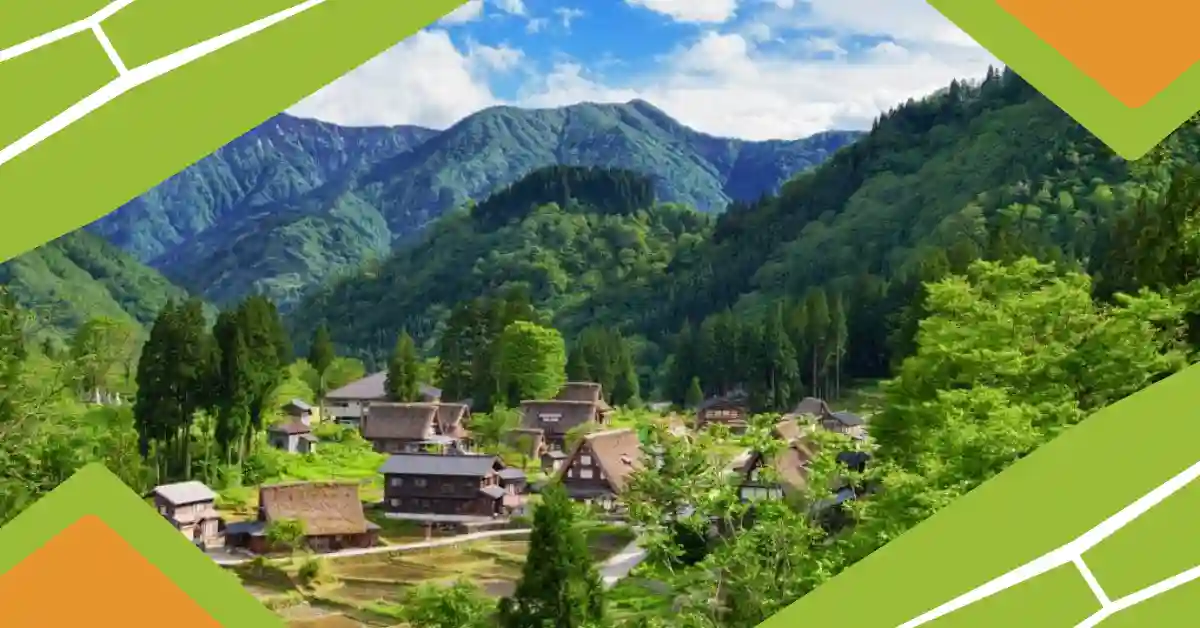
Life in rural Japan offers a striking contrast to the fast-paced energy of Tokyo and Osaka, presenting a slower, community-centered way of living that appeals to both locals seeking escape from urban stress and foreigners looking for a deeper cultural experience. Within the first impression, rural Japan is defined by quiet landscapes, aging towns, rice fields stretching into the horizon, and a rhythm of life shaped by nature and tradition.
Understanding the Rhythm of Rural Living
Daily life outside Japan’s major cities is guided less by convenience and more by seasonality, community needs, and local traditions. Early mornings often begin with agricultural routines, school commutes on near-empty roads, and small family-run businesses opening their shutters. Convenience stores exist, but they are fewer and sometimes far apart, making planning ahead an essential part of living in these areas.
Transportation is another defining factor. In many rural regions, owning a car is not a luxury but a necessity. Trains and buses may run infrequently, especially in mountainous or depopulated prefectures. However, this limitation often contributes to a slower lifestyle that many residents describe as peaceful and grounding.
Seasonal change is more noticeable in rural environments. Snowy winters can isolate small villages, while summers bring lush greenery and community festivals. These seasonal rhythms strongly influence everything from agriculture to social events, reinforcing a deeper connection to nature than is often felt in urban Japan.
Housing, Cost of Living, and Space Advantages
One of the most appealing aspects for newcomers considering life in rural Japan is the affordability of housing. Compared to cities like Tokyo, where small apartments come with high rent, rural properties often offer significantly more space at a lower cost. It is not uncommon to find traditional wooden houses with gardens, storage sheds, and even farmland included in rental or purchase agreements.
However, affordability comes with trade-offs. Many rural homes, known as “akiya” (vacant houses), may require renovation due to age and long-term vacancy. While government programs in some regions offer incentives for relocation and restoration, maintaining older properties can require time, effort, and financial investment.
Cost of living is generally lower in rural areas, especially when it comes to rent and fresh produce. Locally grown vegetables, rice, and seafood are often cheaper and fresher than in urban supermarkets. On the other hand, imported goods and specialty items may be more expensive due to transportation costs and limited availability.
Work Options and Economic Realities
Employment opportunities in rural Japan differ significantly from urban job markets. While cities are dominated by corporate offices, retail chains, and service industries, rural regions rely heavily on agriculture, fishing, forestry, tourism, and local manufacturing.
Some of the most common work paths include:
- Agricultural work such as rice farming, vegetable cultivation, and fruit harvesting
- Jobs in local tourism, including guesthouse management and hospitality services
- Teaching English in public schools or community programs
- Remote work or freelance digital employment
- Small-scale entrepreneurship, such as cafés or craft businesses
While these options exist, job availability can be limited, especially for non-Japanese speakers. Many foreign residents rely on remote work or teaching positions to sustain their stay. Government initiatives in certain prefectures also encourage migration by offering subsidies or business support to attract younger populations.
Despite these opportunities, economic sustainability remains one of the biggest challenges in rural regions. Aging populations and declining birth rates have led to labor shortages in many industries, which creates both opportunity and instability depending on the area.
Community Life and Cultural Integration
One of the most defining aspects of rural living is the strength of community relationships. Unlike urban environments where anonymity is common, rural towns often operate on close-knit social structures where neighbors know each other well and community participation is expected.
Festivals, seasonal events, and local gatherings play an essential role in maintaining social bonds. These events often involve traditional performances, food stalls, and shared labor for preparation and cleanup. Participation is not just encouraged but often seen as part of being a responsible member of the community.
However, integration into these communities can take time, especially for newcomers. Language barriers and cultural differences may initially create distance. Over time, consistent participation in local activities, respect for customs, and basic Japanese communication skills can significantly improve acceptance and belonging.
In many cases, rural residents value effort over perfection. Even small attempts to engage with neighbors or learn local traditions are often appreciated and can lead to meaningful relationships.
Challenges of Rural Living
While life in rural Japan is often romanticized, it is important to acknowledge the practical challenges that come with it. One of the most pressing issues is depopulation. Many rural towns are experiencing shrinking populations as younger generations move to cities for education and employment.
This demographic shift leads to fewer schools, reduced public transport, and limited healthcare access in some regions. Hospitals and specialized medical services may require long travel times, which can be difficult for elderly residents or families without vehicles.
Another challenge is language dependency. Unlike major cities where English is more commonly understood in tourist areas, rural Japan relies heavily on Japanese communication. This can create barriers for foreigners who are not fluent in the language.
Internet connectivity has improved significantly in recent years, but some remote areas still experience slower speeds or limited infrastructure, which can affect remote work and daily convenience.
The Appeal of Slower Living and Nature Connection
Despite these challenges, many people are drawn to rural areas for their quality of life. The slower pace allows for more personal time, reduced stress, and stronger engagement with nature. Mountains, rivers, and farmland are often just steps away from home, creating a lifestyle that feels deeply connected to the environment.
Children growing up in rural areas often experience more outdoor activity and community interaction compared to urban settings. Schools are smaller, which can lead to more personalized education and closer relationships with teachers.
For adults, the appeal often lies in escaping overcrowded cities and rediscovering simplicity. Gardening, seasonal food preparation, and participation in local traditions become part of everyday life rather than occasional experiences.
Future Outlook of Rural Japan
The future of rural regions in Japan is shaped by both challenges and innovation. While depopulation continues, there is growing interest in revitalization efforts. Government programs encourage relocation, support entrepreneurship, and promote regional tourism to attract younger generations and foreign residents.
Digital transformation is also playing a role. As remote work becomes more accepted globally, rural Japan is increasingly seen as a viable place for location-independent professionals. This shift has the potential to rebalance population distribution and bring new economic activity into declining towns.
Sustainability initiatives, including organic farming and eco-tourism, are also helping rural communities redefine their identity in a modern context.
Conclusion: A Lifestyle of Balance and Adaptation
Ultimately, life in rural Japan is not simply about location it is about lifestyle adjustment, cultural immersion, and personal priorities. It offers a balance between simplicity and challenge, tradition and modern adaptation. While it may not suit everyone, those who embrace its rhythm often find a deeply rewarding experience shaped by community, nature, and a slower, more intentional way of living.
For those seeking meaning beyond urban convenience, rural Japan presents a unique opportunity to reconnect with both culture and environment in a way that is increasingly rare in modern society.
Also Read: Free Japanese Life Hacks: 10 Habits That Will Change Your Daily Routine