Walking the Sacred Sites of the Kii Mountains: An Inner Journey
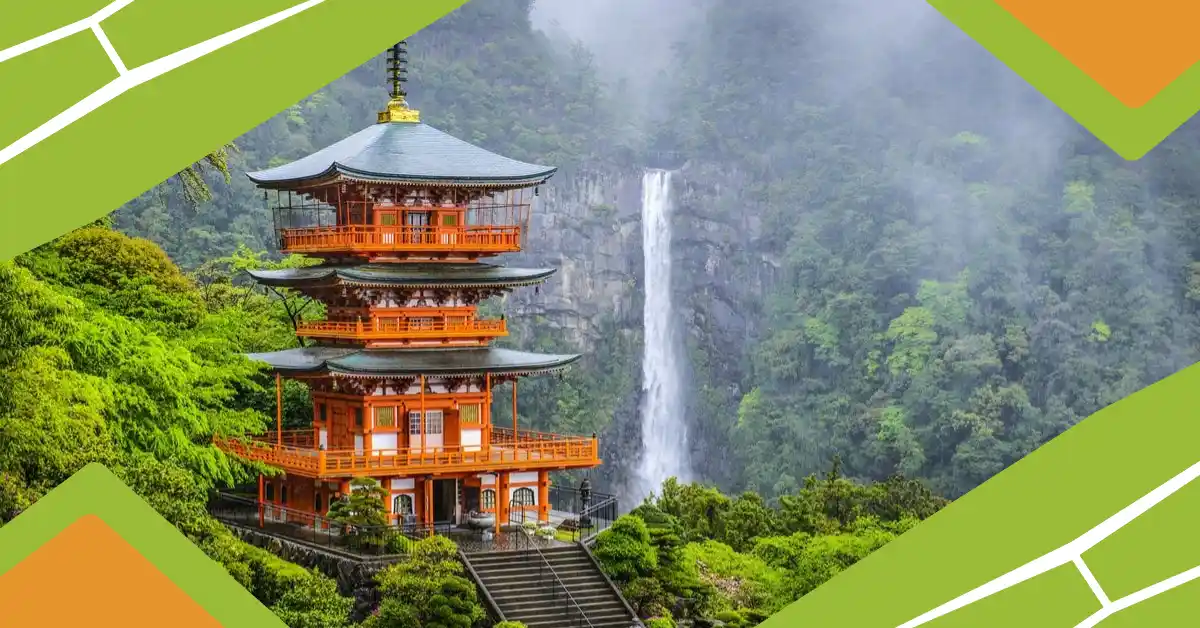
The Kii Mountains of Japan form one of the most spiritually significant landscapes in the world, where ancient pilgrimage routes weave through dense forests, mist-covered peaks, and timeless shrines. Walking here is not just travel-it is transformation.
Introduction: A Landscape Where Spirit and Earth Meet
The journey through the Kii Mountains is unlike any ordinary hiking experience. It is a passage into a living spiritual heritage that has been shaped over more than a thousand years. Pilgrims, monks, emperors, and seekers have all walked these paths, drawn by the promise of purification, reflection, and rebirth.
Unlike modern destinations defined by speed and convenience, this region invites slowness. Every step along its ancient trails feels intentional, as if the forest itself is guiding the traveler inward. The mountains are not merely a backdrop but an active presence, shaping the emotional and spiritual tone of the journey.
The Spiritual Landscape of the Kii Mountains
The Kii Mountains are often described as a bridge between the physical and spiritual worlds. Covered in dense cedar forests and interspersed with sacred peaks, the region has long been regarded as a dwelling place of kami-Shinto spirits-and Buddhist enlightenment.
In this environment, nature is not separate from spirituality; it is its expression. Waterfalls are seen as purifying forces, ancient trees as silent guardians, and mountain ridges as pathways to the divine. As travelers move deeper into the region, the outside world begins to fade, replaced by a profound sense of stillness.
The experience of walking through the Kii Mountains often becomes meditative. The sound of wind through the trees, the crunch of gravel underfoot, and the distant echo of temple bells create a rhythm that naturally slows the mind.
Kumano Kodo and the Pilgrimage Routes
One of the most remarkable aspects of the Kii Mountains is the network of pilgrimage routes known collectively as the Kumano Kodo. These ancient paths connect sacred sites that have been venerated for centuries, forming one of the few pilgrimage systems in the world recognized as a UNESCO World Heritage Site.
Walking these routes is an invitation to step into history. The paths are steep, sometimes challenging, and often enveloped in mist, yet they carry a quiet sense of continuity. Every stone step has been shaped by countless travelers before, each leaving behind invisible traces of devotion.
As pilgrims move along these routes, the experience becomes more than physical endurance. It is a gradual shedding of distraction and noise. The mountains encourage reflection, and the journey through the Kii Mountains begins to mirror an inner passage as much as a geographical one.
Sacred Shrines and Forest Temples
Hidden within the valleys and ridges are sacred shrines and forest temples that define the spiritual architecture of the region. These spaces are not isolated monuments but living centers of practice, where rituals, prayers, and offerings continue to this day.
Torii gates often mark the transition from the ordinary world into sacred space. Passing through them feels symbolic, as if crossing an invisible threshold. Within these spaces, silence carries weight. The air feels different-thicker, calmer, and deeply present.
Many travelers describe a sense of humility when standing before these shrines. In the Kii Mountains, spirituality is not abstract; it is grounded in stone paths, wooden halls, and the natural world surrounding them. The sacred is not separate from the environment—it is embedded within it.
Walking as an Inner Journey
To walk through the Kii Mountains is to engage in a dialogue with oneself. The physical act of walking becomes a mirror for internal movement. As the body climbs steep paths and descends forested trails, the mind begins to settle into a quieter rhythm.
There is a gradual shift that occurs over time. Thoughts slow, worries soften, and awareness expands. The absence of constant digital distraction allows space for introspection that is often missing in modern life. Many travelers find that answers they have been seeking do not arrive as sudden revelations but as gentle realizations that unfold step by step.
In this sense, the journey through the Kii Mountains becomes less about destination and more about presence. Each moment is complete in itself, requiring no future outcome to give it meaning.
Nature, Silence, and Reflection
One of the most profound aspects of this region is its silence. Yet it is not an empty silence. It is filled with life-the rustle of leaves, distant bird calls, flowing streams, and the subtle movement of wind through ancient cedar groves.
This natural soundscape creates a unique environment for reflection. Without urban noise or artificial interruption, the mind begins to tune into subtler layers of awareness. Thoughts that usually remain buried rise gently to the surface, not as disturbances but as insights.
Walking through the Kii Mountains, travelers often notice how the landscape itself seems to respond to their internal state. A clearing in the forest might feel like clarity, while a mist-covered path might reflect uncertainty. Whether symbolic or psychological, this interaction deepens the sense of connection between self and environment.
Cultural Legacy and Living Tradition
The cultural heritage of the Kii Mountains is deeply intertwined with both Shinto and Buddhist traditions. Over centuries, these beliefs have shaped rituals, architecture, and the rhythms of daily life in the region.
What makes this cultural legacy remarkable is its continuity. It is not preserved as a static museum piece but lived as an ongoing practice. Monks still walk these paths, ceremonies still take place in remote shrines, and pilgrims still arrive seeking renewal.
This continuity adds depth to the experience of walking through the Kii Mountains. Travelers are not merely observers; they become part of a living tradition. Each step contributes, in a small way, to the continuation of a journey that has never truly ended.
The Inner Transformation of Pilgrimage
The deeper meaning of pilgrimage in the Kii Mountains lies not in reaching a specific shrine or summit but in the transformation that occurs along the way. The physical journey becomes a metaphor for inner change.
As distance accumulates beneath each step, so too does perspective. Concerns that once felt urgent begin to lose their weight. The mind, no longer cluttered with constant input, begins to settle into clarity.
This transformation is rarely dramatic. It is subtle, almost imperceptible at first. Yet by the time travelers complete their journey, many find themselves changed—not because something external has shifted, but because their relationship to themselves has evolved.
Planning a Meaningful Journey
Experiencing the Kii Mountains fully requires more than logistical preparation; it requires intention. The pace of travel matters. Moving too quickly risks missing the subtle textures of the landscape, while slowing down allows the environment to reveal its depth.
Staying in traditional inns, walking long stretches of trail, and allowing time for stillness between destinations all contribute to a richer experience. Weather, season, and personal readiness also shape the journey in profound ways.
Ultimately, the most important preparation is mental openness. The region does not demand belief, but it does respond to presence. Those who arrive with curiosity and patience often leave with a deeper sense of clarity than they expected.
Conclusion: The Journey That Continues Within
Walking through the Kii Mountains is not something that ends when the trail is completed. It continues long after the journey has physically concluded. The silence of the forests, the rhythm of footsteps, and the presence of ancient sacred sites linger in memory, gradually shaping perception long after returning home.
This is the essence of pilgrimage-not escape, but return. A return to simplicity, awareness, and a deeper sense of being. In a world that often moves too quickly, the mountains offer something rare: the experience of time unfolding at the pace of breath and step.
In the end, the journey through the Kii Mountains is not only about where one goes, but about what one becomes along the way.
Also Read: Best Japanese Snacks: Must-Try Traditional & Modern Treats from Japan You’ll Love