The Secret Behind Japan’s Clean Streets Without Using Public Trash Cans
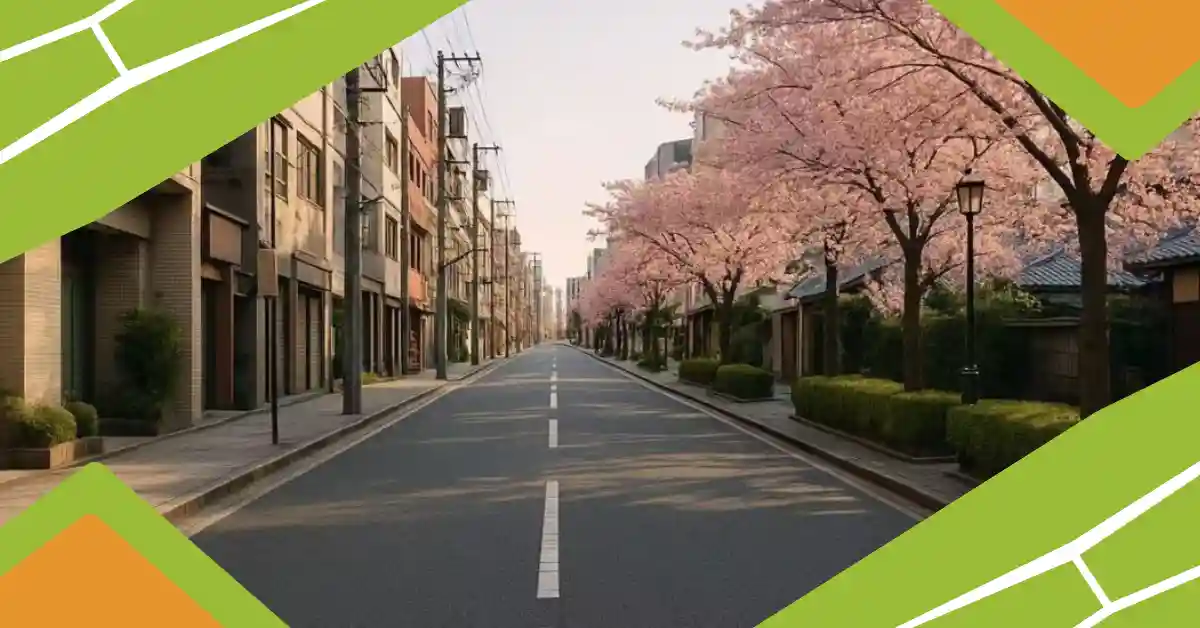
Visitors to Japan are often struck by a curious paradox: its cities remain astonishingly clean, yet public trash cans are scarce. In bustling metropolises like Tokyo and Osaka, streets, sidewalks, and parks appear almost immaculate despite the absence of visible waste bins. This unique urban phenomenon leaves travelers wondering how such a densely populated nation maintains its reputation for cleanliness. The secret lies not in infrastructure alone, but in a combination of historical events, cultural values, and a deeply ingrained sense of personal and social responsibility that guides everyday behavior.
The Trash Paradox in Japanese Cities
During a walk in Tokyo, it’s common to cover several miles without spotting a single street bin. Public trash receptacles appear mostly inside convenience stores, train stations, and select parks like Yoyogi Park. In smaller towns or rural regions, like Takayama in Gifu Prefecture, bins are often reserved for specific items, such as mail parcels, leaving visitors to carry their own waste.
A 2025 Japan Tourism Agency survey found that 21.9% of foreign travelers cited the scarcity of public trash cans as the biggest inconvenience during their visit ranking higher than language barriers and crowded tourist spots. Despite this, Japanese cities remain strikingly litter-free, suggesting that a different approach to cleanliness is at play.
The Historical Context: Security and Safety
The absence of trash cans in Japanese cities is not an accident. Historical events, particularly the 1995 sarin gas attack on Tokyo’s subway, played a pivotal role. The doomsday cult responsible left hazardous packages in stations, killing 12 people and injuring thousands. Since then, authorities removed most public bins to prevent similar threats.
International incidents, such as the 2004 Madrid train bombings, reinforced the notion that public bins can become dangerous hiding spots. Even the COVID-19 pandemic influenced this trend, as discarded masks added to sanitation concerns. In short, Japan’s binless streets reflect a precautionary approach to public safety.
Cultural Cleanliness and Personal Responsibility
Beyond security, Japan’s spotless streets stem from deep cultural values emphasizing cleanliness, respect, and social responsibility. Michael Sheridan, visiting associate professor of tourism at Temple University Japan, explains:
“Japan has a shortage of public trash cans due to security issues, budget cuts, and a strong sense of personal responsibility. Visitors are often surprised, but it’s a reflection of Japan’s dedication to cleanliness and social responsibility.”
Buddhist and Shinto beliefs reinforce this ethos. Practices like temizu, the hand and mouth purification ritual at shrines, or oshibori, wet towels at restaurants for pre-meal cleaning, instill mindfulness about hygiene from an early age. Eating or drinking while walking is generally frowned upon, which naturally reduces street litter.
Even in busy districts like Shibuya, sweeping crews and vigilant shop owners maintain sidewalks daily. Littering fines, often 2,000 yen (~$13), further discourage careless disposal. In essence, the lack of bins is not an inconvenience but a social contract: cleanliness is a shared responsibility, not a municipal service tailored to tourists.
How Japanese Cities Maintain Cleanliness
Several factors contribute to Japan’s remarkable cleanliness despite minimal trash infrastructure:
- Community Engagement: Citizens actively participate in keeping streets clean. Residents and business owners sweep sidewalks daily, and community initiatives encourage recycling and proper waste management.
- Cultural Norms: Social pressure discourages littering. The shame of being caught leaving trash in public is a stronger deterrent than fines for many.
- Education from Childhood: Schools emphasize waste separation, recycling, and civic responsibility. Children learn that carrying personal trash until a proper disposal site is expected behavior.
- Strategic Waste Infrastructure: While bins are scarce on streets, convenience stores (konbini) and vending machines often provide disposal points for specific items. Bins inside parks or stations are carefully managed, preventing overflow and unsightly litter.
Smart Tips for Travelers in Japan
Navigating Japan’s binless streets requires some preparation, but it’s manageable with a few strategies:
- Konbini Etiquette: Many convenience stores provide small trash bins. Consume your purchase inside or immediately outside the store to dispose of wrappers responsibly.
- Personal Trash Bags: Carry a small Ziploc or reusable bag for gum, snack wrappers, and tissues. Dispose of it back at your hotel.
- Vending Machine Disposal: Japanese vending machines often have built-in recycling slots for bottles and cans. Use these whenever possible.
- Mindful Consumption: Plan meals and drinks to minimize trash on the go. Avoid eating while walking to respect local customs.
| Challenge | Japan’s Solution | Traveler Hack |
| Lack of street bins | Personal responsibility + social norms | Carry a Ziploc bag for waste |
| Eating/drinking on the go | Cultural etiquette discourages it | Consume inside konbini or designated areas |
| Litter fines | 2,000 yen (~$13) penalty | Be mindful; don’t litter |
| High-traffic areas | Daily cleaning by locals | Use vending machine recycling slots |
Lessons from Japan for Urban Cleanliness
Japanese cities demonstrate that cleanliness does not require constant public disposal points. Instead, it thrives on a combination of cultural mindfulness, community engagement, and strategic planning. Countries struggling with urban litter could learn from Japan’s approach, focusing on education, civic responsibility, and selective infrastructure rather than simply adding more bins.
Visitors often leave Japan not just impressed by the spotless streets but also humbled by the societal discipline that maintains them. The absence of trash cans transforms a small inconvenience into a powerful lesson about mindfulness, respect, and shared responsibility.
Conclusion
Japan’s clean streets are no accident. They reflect a blend of historical necessity, cultural values, and civic responsibility. While tourists may initially find the scarcity of trash bins inconvenient, this unique system ensures that cities like Tokyo, Kyoto, and Osaka remain among the cleanest in the world. By embracing the cultural expectations carrying personal trash, respecting etiquette, and using limited bins wisely travelers can enjoy Japan’s beauty without contributing to litter.
Ultimately, Japan shows that a society committed to cleanliness can maintain pristine urban environments not by infrastructure alone but through a deeply ingrained sense of personal and communal responsibility. Visiting Japan is not just sightseeing it’s an opportunity to experience the power of social discipline in action.