How Japan Preserves Ancient Traditions While Living in a Modern, Changing World
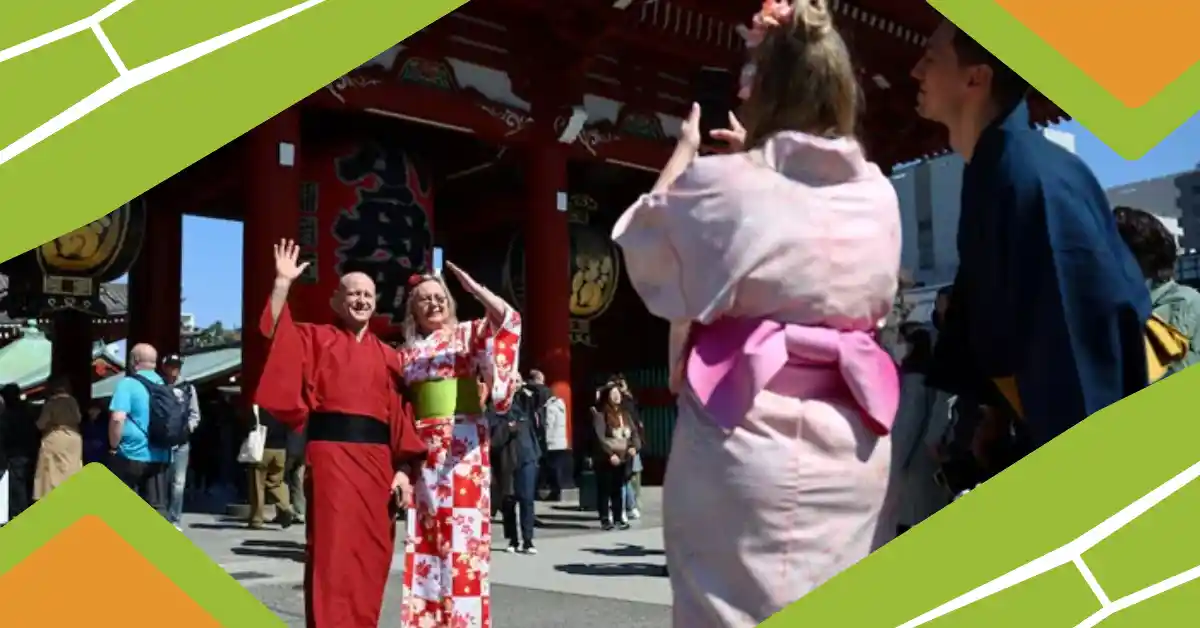
Japan’s ability to preserve ancient traditions while evolving into one of the world’s most technologically advanced societies is a rare cultural achievement. From centuries-old rituals still practiced in busy cities to futuristic innovations shaping daily life, Japan represents a living balance between heritage and modernity.
This harmony is not accidental. It is the result of deeply rooted cultural values, careful preservation efforts, and a societal respect for continuity. Even as skyscrapers rise in Tokyo and robotics redefine industries, traditional customs remain woven into everyday life.
A Cultural Harmony Between Past and Present
Japan’s cultural identity is built on continuity rather than replacement. Unlike many places where modernization often replaces older customs, Japan tends to integrate the new with the old. This creates a unique cultural rhythm where history is not frozen in museums but actively lived.
In everyday life, traces of the past appear in subtle yet meaningful ways. People may commute on high-speed trains while carrying small charms from Shinto shrines for protection. Office workers in modern skyscrapers may begin their year by visiting temples to pray for good fortune. This coexistence illustrates how deeply tradition is embedded in modern routines.
The country’s approach to ancient traditions is not about resisting change but adapting without losing identity. Cultural practices are allowed to evolve in form while maintaining their symbolic meaning. This adaptability has helped Japan maintain a strong sense of cultural continuity even as global influences increase.
Living Heritage in Daily Life
One of the most remarkable aspects of Japanese culture is how heritage is experienced in daily routines rather than reserved only for special occasions. Traditional practices continue to shape behavior, etiquette, and social interactions.
Tea ceremonies, for example, remain an important cultural expression of mindfulness and respect. While they may seem formal, they are still practiced in both traditional settings and modern cultural schools. Similarly, seasonal festivals fill cities and towns with color, music, and ritual, reinforcing a sense of community connection that transcends time.
Even architecture reflects this blend. Wooden temples and shrines stand beside concrete buildings, often carefully preserved as cultural landmarks. In Kyoto, for instance, historic streets are protected to maintain their traditional appearance, offering a glimpse into Japan’s past even within a modern city environment.
Fashion also reflects this dual identity. While Western-style clothing dominates daily wear, traditional garments like kimono are still worn during ceremonies, festivals, and cultural celebrations. These practices ensure that ancient traditions remain visible and relevant, not as relics, but as living expressions of identity.
Urban Innovation and Modern Identity
Japan’s cities are among the most advanced in the world, known for cutting-edge technology, efficient transportation systems, and futuristic architecture. Tokyo, in particular, represents a global hub where innovation thrives at every level from robotics and artificial intelligence to high-speed rail systems.
Yet even within these urban landscapes, cultural memory remains present. Many city districts incorporate historical shrines or preserved neighborhoods that contrast with surrounding modern structures. This intentional coexistence highlights Japan’s philosophy of balance rather than replacement.
Public spaces often reflect seasonal and cultural awareness. Cherry blossom viewing in spring, autumn leaf festivals, and New Year traditions continue to shape urban life. These events create shared cultural moments that connect modern city dwellers with long-standing traditions.
The integration of technology with tradition is also visible in daily services. Digital platforms may support temple donations, virtual museum tours, or online cultural education programs. Rather than diminishing tradition, technology often helps expand access to it, ensuring that ancient traditions remain relevant to younger generations.
Cultural Preservation Through Education and Policy
Japan’s ability to maintain cultural continuity is strongly supported by its education system and government policies. Schools often introduce students to traditional arts, calligraphy, and cultural history from an early age. This early exposure builds familiarity and respect for cultural heritage.
Local governments also play a significant role in protecting historical sites. Many temples, shrines, and traditional districts are designated as cultural assets, ensuring they are preserved for future generations. Restoration projects are carried out with great care, often using traditional materials and techniques to maintain authenticity.
Artisanship is another important pillar of preservation. Crafts such as pottery, textile weaving, and lacquerware are passed down through generations. In some cases, skilled artisans are recognized as “living national treasures,” highlighting the importance of human expertise in maintaining cultural identity.
These structured efforts ensure that ancient traditions are not only preserved but actively practiced. Instead of being treated as static history, they are integrated into education, community life, and national identity.
The Role of Spirituality and Seasonal Awareness
Spiritual and seasonal awareness is deeply embedded in Japanese culture. Shinto and Buddhist practices influence how people perceive nature, time, and community. Shrines and temples are not just historical sites but active places of worship and reflection.
Seasonality plays a particularly important role in shaping cultural expression. Each season is marked by specific traditions, foods, and celebrations. Spring cherry blossoms, summer festivals, autumn harvests, and winter rituals all create a cyclical rhythm of life that connects people to nature.
This awareness fosters mindfulness and appreciation for impermanence, a concept deeply rooted in Japanese aesthetics. It also reinforces the idea that tradition is not separate from modern life but flows through it continuously.
Global Influence and Cultural Exchange
Japan’s cultural identity has also gained global recognition, influencing art, design, cuisine, and entertainment worldwide. From minimalist aesthetics in architecture to global popularity of Japanese cuisine and media, the country’s traditions have transcended borders.
At the same time, cultural exchange has brought new influences into Japan. International ideas in fashion, technology, and lifestyle are adapted and reinterpreted through a Japanese lens. This process does not dilute tradition; instead, it creates new forms of expression that still reflect cultural values.
Tourism also plays a role in sustaining cultural heritage. Visitors from around the world experience traditional practices firsthand, from tea ceremonies to historic temple visits. This global interest encourages continued preservation efforts and cultural pride among local communities.
Through this exchange, ancient traditions gain new relevance and appreciation in a globalized world.
Architecture: Where History Meets Modern Design
One of the most visible expressions of Japan’s cultural balance is its architecture. Traditional wooden structures coexist with ultramodern skyscrapers, often within the same city block. This contrast is not seen as conflicting but complementary.
Architects frequently draw inspiration from traditional design principles such as simplicity, natural materials, and harmony with nature. Even modern buildings may incorporate sliding doors, wooden textures, or garden spaces that reflect traditional aesthetics.
Historic preservation laws also ensure that culturally significant buildings are maintained rather than replaced. In cities like Kyoto and Nara, strict regulations protect traditional architecture, allowing visitors and residents alike to experience historical environments in their authentic form.
This architectural harmony demonstrates how Japan continues to respect its past while embracing innovation.
Conclusion: A Living Balance of Time and Culture
Japan’s cultural landscape is a rare example of how a society can evolve without losing its roots. Through careful preservation, cultural education, and adaptive innovation, the country has created a living system where history and modernity coexist.
Rather than treating tradition as something separate from progress, Japan integrates it into everyday life, ensuring continuity across generations. This approach allows cultural identity to remain strong even in a rapidly changing world.
Ultimately, the success of this balance lies in respect for history, for craftsmanship, for nature, and for the values that shape society. In doing so, Japan demonstrates that ancient traditions are not obstacles to progress but foundations upon which a modern future can be built.