Ikebana Flower Arrangement: History, Styles, and Japanese Floral Art Explained
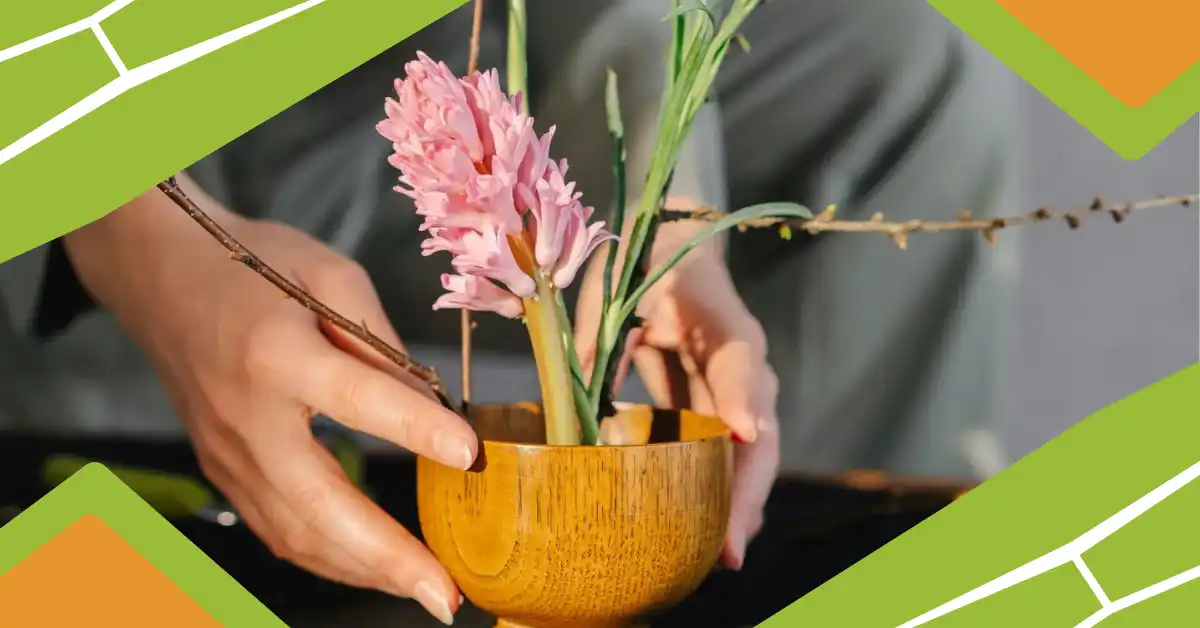
Ikebana flower arrangement is a refined Japanese art form that transforms flowers, branches, and natural elements into meaningful compositions rooted in harmony, balance, and simplicity. Unlike casual floral decoration, Ikebana emphasizes space, structure, and symbolism, making it a meditative practice as much as an artistic discipline. It is deeply connected to Japanese culture and philosophy, reflecting ideas of impermanence, nature’s beauty, and the quiet relationship between humans and the natural world.
Today, Ikebana has gained global recognition not only as a decorative practice but also as a spiritual and creative expression. Its minimalist aesthetic appeals to modern design sensibilities, while its historical depth offers insight into centuries of Japanese tradition.
The Historical Roots of Ikebana Flower Arrangement
The origins of Ikebana flower arrangement trace back to the 6th century when Buddhism was introduced to Japan from China and Korea. Floral offerings, known as kuge, were initially placed in Buddhist temples as a form of respect and devotion. These early arrangements were simple, often consisting of natural flowers placed in vases without artistic structure.
By the 15th century, during the Muromachi period, Ikebana began to evolve into a more defined art form. The first formal school, Ikenobo, emerged from Kyoto’s Rokkaku-dō temple. This school introduced the concept of arranging flowers with intentional design, emphasizing vertical structure and symbolic meaning. The arrangements, known as tatehana, were primarily used in religious and ceremonial contexts.
As time progressed into the Edo period, Ikebana became more accessible beyond temples and aristocratic circles. It evolved into a cultural practice among samurai, merchants, and eventually the general public. Different schools began to form, each developing unique philosophies and styles, yet all maintaining a shared respect for nature and seasonal beauty.
Evolution of Styles in Japanese Floral Art
Over centuries, Ikebana developed into several distinct styles, each reflecting different interpretations of nature and aesthetics. The diversity of styles allows practitioners to express individuality while remaining rooted in tradition.
One of the most classical styles is Rikka, which represents idealized landscapes. This style is highly structured and often complex, symbolizing mountains, rivers, and natural scenery within a single arrangement. It was historically used in ceremonial settings and requires precise placement of each element.
Another widely practiced style is Shōka, which is more simplified and focuses on the essence of plant life. It typically uses three main elements representing heaven, earth, and humanity. This style emphasizes clarity and natural beauty, stripping away unnecessary decoration to highlight the intrinsic form of each plant.
In contrast, Jiyūka, or free style, reflects modern creativity and experimentation. It allows artists to break traditional rules, incorporating unconventional materials such as metal, glass, or even plastic alongside natural elements. This style is particularly popular in contemporary art spaces and international exhibitions.
These evolving styles demonstrate how Ikebana has adapted to different eras while maintaining its core philosophy of harmony and restraint.
Philosophy and Techniques Behind Ikebana
At the heart of Ikebana lies a philosophical approach that goes beyond aesthetics. It is influenced by Zen Buddhism, which values mindfulness, simplicity, and the appreciation of impermanence. Practitioners are encouraged to observe nature closely and reflect on the life cycle of plants, from budding to decay.
A key principle is the use of negative space, known as ma, which is just as important as the flowers themselves. This space allows the arrangement to “breathe” and gives viewers room for interpretation. Instead of overcrowding, Ikebana seeks balance between filled and empty areas.
Another important aspect is asymmetry. Unlike Western floral arrangements that often aim for symmetry and fullness, Ikebana embraces unevenness to reflect the irregular beauty found in nature. Each stem is placed with intention, often guided by angles, lines, and spatial relationships.
Seasonality also plays a major role. Practitioners select materials that reflect the current season, such as cherry blossoms in spring or maple leaves in autumn. This connection to nature’s cycles reinforces the philosophy of change and transience.
Through disciplined practice, Ikebana becomes more than an art; it becomes a form of meditation and self-expression.
Modern Influence and Global Appeal
In contemporary times, Ikebana has expanded far beyond Japan. It is now practiced in art schools, cultural centers, and design studios around the world. Its minimalist aesthetic aligns well with modern architecture, interior design, and wellness practices.
Many international designers and artists incorporate Ikebana principles into their work, especially the use of space, balance, and natural materials. Workshops and exhibitions are frequently held in major cities, introducing new audiences to this traditional art form.
Digital media has also contributed to its popularity. Social platforms showcase innovative arrangements that blend traditional techniques with modern creativity, making Ikebana more accessible to younger generations.
Despite modernization, the essence of Ikebana remains unchanged. It continues to emphasize respect for nature, simplicity, and mindful creation.
Conclusion: The Timeless Beauty of Ikebana
Ikebana flower arrangement is more than just arranging flowers; it is a disciplined art form that connects history, philosophy, and creativity. From its origins in Buddhist temples to its modern global presence, it has maintained its identity as a deeply symbolic and reflective practice. Understanding Ikebana flower arrangement allows us to appreciate not only its visual beauty but also its cultural depth and spiritual meaning.
As it continues to evolve, Ikebana stands as a reminder that true artistry lies in simplicity, intention, and harmony with nature.