How Small Spaces Lead to Big Lifestyle Changes
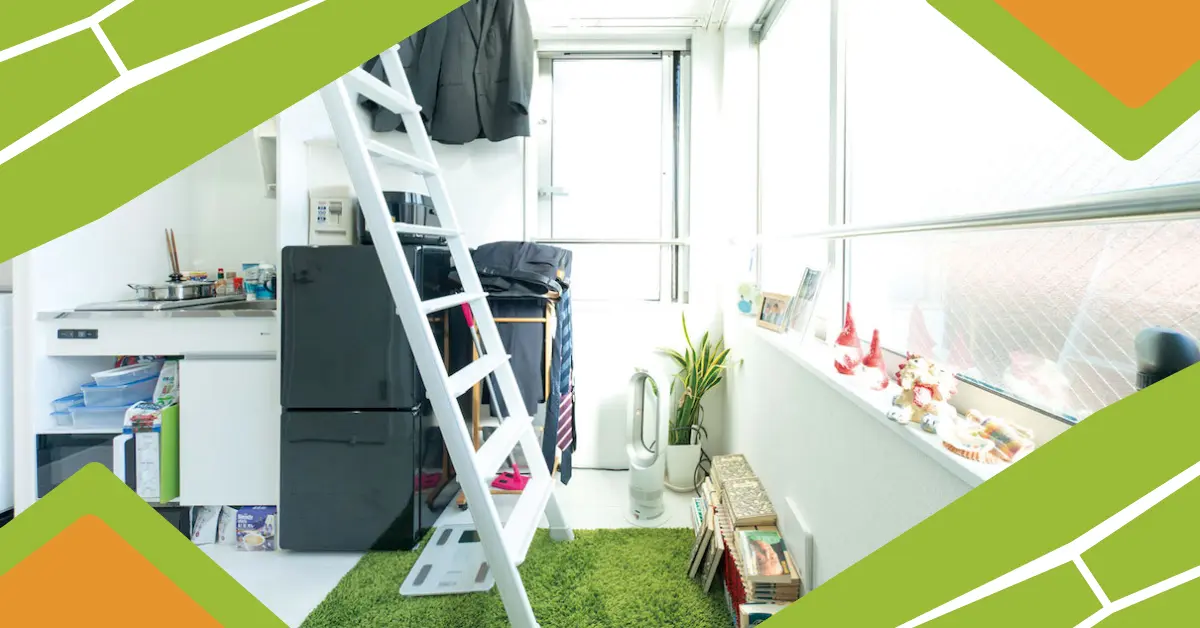
In many cities, bigger is seen as better. More rooms, more storage, more space to fill. Yet in some of the world’s most densely populated urban areas, tiny apartments are not a temporary compromise but a long-term lifestyle choice. These compact homes are not just about limited square footage. They represent a deliberate way of living that prioritizes intention, efficiency, and awareness over excess.
Tiny apartment living has quietly shaped daily habits, values, and routines, turning small spaces into thoughtful environments rather than cramped ones.
Why Apartments Are So Small
Space in major cities is scarce and expensive. High population density, efficient public transport, and walkable neighborhoods reduce the need for large private living areas. When daily life happens outside the home through cafés, parks, libraries, and transit systems, the apartment becomes a functional base rather than the center of existence.
As a result, living spaces are designed to support essential needs only. Every square meter must earn its place.
Design That Serves a Purpose
Tiny apartments rely heavily on intentional design. Furniture is often multifunctional. Beds fold away. Tables double as desks. Storage is built vertically rather than horizontally.
Nothing exists without a reason. If an item does not serve a clear purpose or bring consistent value, it is often removed. This design philosophy encourages residents to think carefully before bringing anything new into their homes.
The space itself becomes a reminder to live consciously.
Intentional Living Through Limitation
Living in a small apartment naturally limits accumulation. There is simply no room for unnecessary possessions. Over time, this restriction shapes behavior. Shopping becomes more deliberate. Ownership becomes more selective.
People learn to ask simple questions before acquiring something. Do I need this? Will I use it often? Is it worth the space it will occupy?
This mindset extends beyond physical objects. Time, energy, and attention are treated with similar care.
Daily Habits Shaped by Small Spaces
Tiny living spaces influence daily routines in subtle but powerful ways. Cleaning becomes quicker and more frequent. Organization becomes essential rather than optional. Clutter is immediately visible, making disorder uncomfortable.
Meals are often simpler. Cooking is efficient. Entertainment shifts away from large in-home setups toward outside experiences or quiet personal activities like reading.
The home becomes calm, controlled, and intentionally maintained.
Psychological Effects of Living Small
Contrary to expectations, small apartments do not always feel restrictive. When designed well and kept uncluttered, they can feel peaceful and grounding. Limited space reduces visual noise and decision fatigue.
Living with fewer possessions can also reduce emotional attachment to objects. This creates a sense of lightness and flexibility. Moving becomes easier. Change feels less overwhelming.
However, this lifestyle requires discipline. Without conscious habits, small spaces can quickly feel suffocating. Intentional living is what keeps them functional and emotionally comfortable.
Minimalism Without Aesthetic Obsession
Intentional living in tiny apartments is not always about minimalist aesthetics or social media trends. It is practical rather than performative. The goal is not to own nothing, but to own what truly fits both the space and the lifestyle.
Personal items still matter. Books, hobbies, and sentimental objects remain, but only in quantities that can be respected and maintained.
This balance makes the lifestyle sustainable rather than extreme.
What This Lifestyle Teaches
Tiny apartments teach a quiet lesson about enoughness. They challenge the idea that comfort comes from size or quantity. Instead, comfort comes from order, purpose, and alignment between space and life.
They show that limitations can lead to clarity. When space is limited, priorities become visible.
Conclusion: Living With Less, Living With Intention
Tiny apartment living is not about sacrifice. It is about alignment. When space is small, life becomes intentional by necessity. Every object, habit, and routine is shaped by awareness.
In a world driven by expansion and accumulation, small spaces offer a different path. One where less room creates more focus, and intentional living turns limitation into quiet freedom.