Hinoki Baths: Japan’s Timeless Ritual of Relaxation, Wellness, and Calm
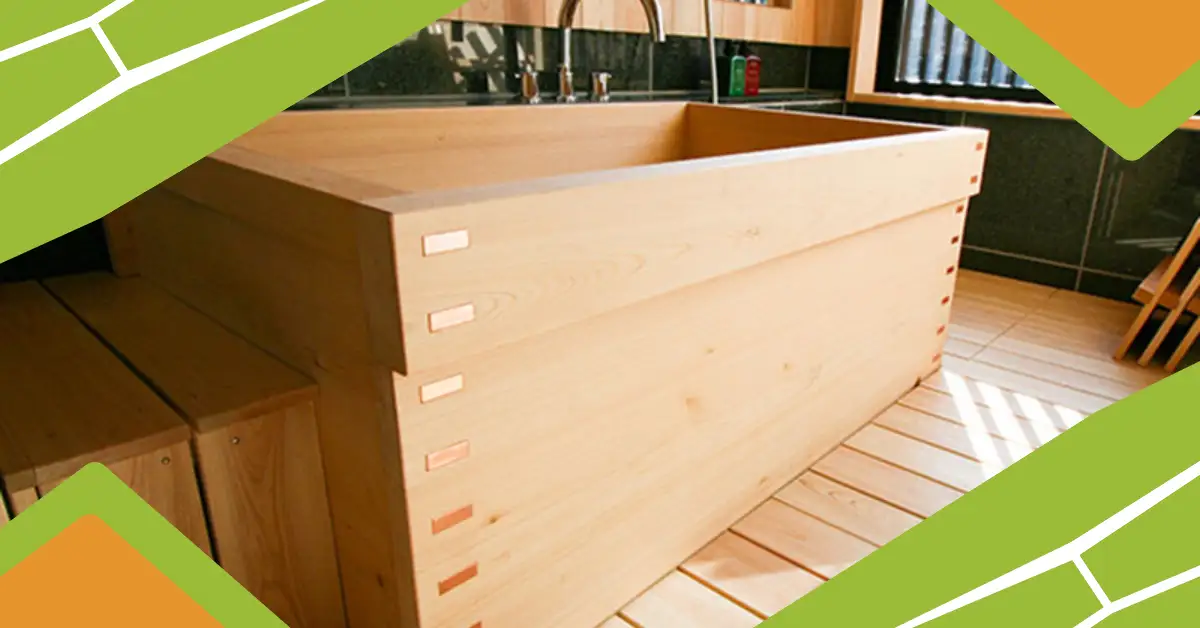
In the heart of Japanese culture lies a serene tradition that has captivated visitors and locals alike for centuries the hinoki bath. More than a mere tub, a hinoki bath embodies a philosophy of mindfulness, craftsmanship, and holistic well-being. Whether nestled in a traditional ryokan or a modern luxury home, these baths invite you to pause, breathe, and immerse yourself in tranquility.
What Is a Hinoki Bath?
A hinoki bath, or hinoki ofuro, is a wooden soaking tub crafted from hinoki cypress, a revered Japanese wood known for its durability, fragrant aroma, and natural antibacterial properties. Hinoki has graced the walls of temples, imperial palaces, and shrines for centuries, symbolizing purity, elegance, and longevity. Unlike standard bathtubs, a hinoki bath is not only about hygiene it is a vessel for ritualized relaxation and introspection.
The warm, golden hue of hinoki wood paired with its subtle lemony scent creates a sensory experience akin to stepping into a peaceful forest. As the steam rises, the atmosphere transforms into a sanctuary, inviting a slow, meditative immersion.
The Cultural Significance of Hinoki Baths
Japanese bathing culture revolves around the philosophy of purity before peace. Before entering a hinoki bath, it is customary to wash the body thoroughly outside the tub, a practice that purifies not just the skin, but the mind. In traditional ryokans, this ritual is often accompanied by hushed whispers, flickering lanterns, and the gentle sound of water a stark contrast to the hurried showers of modern life.
Historically, emperors, artisans, and monks found solace in hinoki baths, appreciating both their physical comfort and spiritual resonance. The craftsmanship involved in creating a hinoki tub is meticulous. Each plank of wood is selected, cut, and assembled to honor centuries-old techniques, ensuring that the bath is not just functional, but an aesthetic and sensory masterpiece.
The Healing Benefits of Hinoki Wood
Hinoki is more than a visually stunning material it is a natural source of therapeutic benefits. Its essential oils, particularly alpha-pinene, emit a soothing aroma that calms the mind and reduces stress. Scientific studies suggest that inhaling these oils may help lower anxiety, promote mental clarity, and even support respiratory wellness.
Physically, the warm water of a hinoki bath, combined with the wood’s excellent thermal insulation, retains heat longer, providing a prolonged, soothing soak. Muscles relax, tension melts away, and circulation improves, creating a holistic sense of well-being that lingers long after the bath has ended. The antibacterial qualities of hinoki wood also ensure that the bath remains hygienic while preserving its natural fragrance.
Incorporating Hinoki Baths Into Daily Life
Caring for a hinoki bath requires mindfulness, reinforcing the Japanese ethos of respect for natural materials. After each use, rinse the tub gently, allow it to air dry, and protect it from excessive moisture to prolong its lifespan. Over time, the wood develops a patina that enhances its warmth and character a visual testament to the life it has shared with its user.
For expats in Japan or anyone exploring this tradition abroad, the first soak in a hinoki bath can be transformative. Many describe it as a meditative experience where worries dissipate in the rising steam, leaving a profound sense of calm. Establishing a daily bathing ritual in a hinoki tub elevates self-care into a spiritual practice, reinforcing mental clarity and emotional balance.
Etiquette and Best Practices
A hinoki bath is more than a luxury it is an invitation to participate in centuries of cultural tradition. Observing proper etiquette ensures that the experience remains authentic and respectful:
- Cleanse before entering: Always wash your body outside the tub to maintain hygiene.
- Keep noise minimal: Hinoki baths are designed for contemplation, not conversation.
- Avoid splashing: Respect the water and the space by entering slowly and keeping movements gentle.
- Mind the wood: Do not use harsh detergents or abrasive tools that can damage the wood.
Adhering to these principles ensures a long-lasting bath and a deeply immersive experience.
Modern Adaptations and Global Appeal
While hinoki baths are rooted in tradition, their timeless appeal has crossed borders, inspiring modern adaptations. Contemporary designs now include portable hinoki tubs, luxury home installations, and even spa experiences outside Japan. The integration of modern conveniences such as temperature control and ergonomic design does not diminish the bath’s authentic charm. Instead, it bridges centuries-old wisdom with modern lifestyle needs, allowing more people to experience the restorative powers of hinoki.
Even in urban apartments, compact hinoki tubs provide a slice of serenity. Their natural aroma, combined with warm water and careful attention to ritual, transforms even a small space into a sanctuary. The growing global interest in mindfulness, self-care, and eco-conscious living has propelled hinoki baths into an international wellness trend.
The Sensory Experience: Beyond Relaxation
A soak in a hinoki bath engages multiple senses simultaneously. The visual warmth of the wood, the tactile smoothness under the skin, and the gentle fragrance of cypress oils create a multi-dimensional relaxation experience. Steam rising from the water mingles with the aroma, producing an atmosphere reminiscent of Japan’s mountainous forests.
This immersion goes beyond physical relaxation it provides a meditative space where time slows, and the mind can release mental clutter. It is not uncommon for users to describe the experience as a gentle reset, where creativity is sparked, stress dissolves, and a sense of inner harmony is restored.
Why Hinoki Baths Remain Relevant in 2026
Despite technological advances and modern wellness trends, hinoki baths maintain their relevance because they address timeless human needs: comfort, ritual, and connection to nature. In an era dominated by fast-paced living, smartphones, and synthetic materials, the tactile and sensory qualities of hinoki wood offer a rare, grounding experience.
The practice of taking deliberate time for self-care, honoring ritual, and reconnecting with natural materials resonates strongly with modern audiences. This convergence of tradition and contemporary wellness makes hinoki baths a unique offering for luxury hospitality, personal indulgence, and mindful living.
Choosing Your Hinoki Bath
Selecting a hinoki bath involves balancing aesthetics, size, and practical use. Key considerations include:
- Wood Quality: Authentic hinoki cypress ensures durability, natural fragrance, and antibacterial properties.
- Size & Shape: Consider whether the tub will be used solo, as a couple’s bath, or in a communal setting.
- Design: Traditional square or rectangular tubs offer classic elegance, while modern rounded designs maximize comfort and fit smaller spaces.
- Maintenance Needs: Larger tubs require more care, but smaller portable designs still deliver a luxurious experience with minimal upkeep.
Investing in a hinoki bath is not just purchasing a tub it is embracing a lifestyle choice, prioritizing wellness, mindfulness, and cultural appreciation.
Conclusion: A Sanctuary of Body and Spirit
The hinoki bath is a timeless emblem of Japanese tranquility. Every soak is a ritual, every aroma a whisper of centuries-old forests, and every ripple of water a gentle invitation to slow down. By blending tradition, craftsmanship, and therapeutic benefits, hinoki baths transform a simple daily activity into an act of mindfulness, rejuvenation, and self-respect.
Whether you encounter it in a historic ryokan, a modern luxury home, or a compact portable version abroad, the hinoki bath continues to captivate hearts and senses. It is a reminder that in the pursuit of wellness, the path is not always about complexity sometimes, it is as simple and profound as warm water meeting the embrace of sacred wood.
For those ready to step into serenity, a hinoki bath offers more than relaxation it offers a return to stillness, a celebration of tradition, and a sanctuary for both body and soul.