Hikikomori and Modern Isolation in Japanese Society: Causes, Impact & Reality
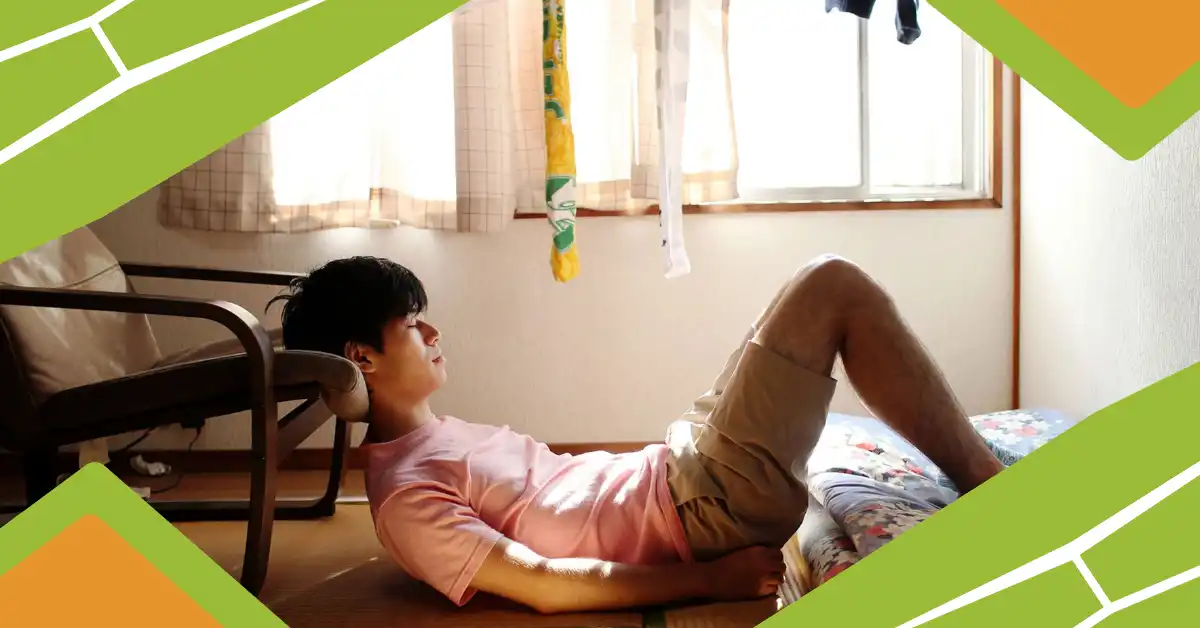
Hikikomori is a growing social phenomenon in modern Japanese society characterized by extreme social withdrawal and long-term isolation from the outside world.
Introduction: Understanding a Silent Social Crisis
In recent decades, Japan has faced a unique and deeply concerning social issue rooted in modern pressures, cultural expectations, and mental health challenges. The condition known as Hikikomori represents individuals, often young adults, who withdraw from social life for months or even years, avoiding education, work, and even basic interpersonal interaction.
This phenomenon has become a symbol of modern isolation in highly developed societies like Japan, where technological advancement and social expectations coexist with increasing emotional disconnection. Although often hidden behind closed doors, the issue continues to grow, affecting families, communities, and the broader economy.
What is Social Withdrawal in Contemporary Society?
To understand the broader context, it is important to recognize that extreme withdrawal is not simply laziness or rebellion. It is often the result of layered psychological stress, societal pressure, and emotional exhaustion. In urban centers such as Tokyo, intense academic and professional competition can create environments where individuals feel unable to meet expectations.
Social withdrawal often begins gradually. A person may stop attending school or work due to stress, embarrassment, or anxiety. Over time, fear of judgment or failure reinforces isolation, making re-entry into society increasingly difficult. This creates a self-reinforcing cycle of avoidance and dependence on family support.
Causes Behind Severe Social Isolation
One of the most discussed causes of Hikikomori is the immense pressure placed on individuals in Japanese society to succeed academically and professionally. From a young age, students are expected to perform at high levels, pass competitive exams, and secure stable employment.
Another major factor is social anxiety and mental health struggles. Depression, anxiety disorders, and trauma often go undiagnosed or untreated, leading individuals to retreat inward rather than seek help. Family dynamics also play a role, as overprotective parenting or high expectations can unintentionally contribute to emotional withdrawal.
Economic stagnation and unstable job markets have further intensified the problem. Many young adults feel that traditional career paths no longer guarantee security, making them question their place in society altogether. In such conditions, withdrawal may feel like a form of emotional protection rather than failure.
Psychological and Social Impact of Isolation
The effects of long-term isolation are profound. Individuals experiencing Hikikomori often face deteriorating mental health, including severe depression, anxiety, and in some cases, suicidal thoughts. Physical health may also decline due to inactivity and irregular routines.
On a social level, families carry significant emotional and financial burdens. Parents often struggle with guilt, confusion, and helplessness, unsure how to support their withdrawn children. In many households, communication breaks down entirely, leaving isolation to deepen over time.
Society as a whole also feels the impact. As more individuals disengage from education and employment systems, productivity and workforce participation are affected. This creates long-term demographic and economic concerns, particularly in aging societies like Japan.
The Role of Technology and Modern Isolation
Modern technology plays a complex role in this issue. While digital platforms provide communication opportunities, they can also enable deeper isolation. Online gaming, social media, and virtual communities allow individuals to remain connected without physical interaction.
For some, the internet becomes a safe space where social pressure is reduced. However, excessive reliance on digital environments can reinforce avoidance of real-world interactions. Over time, the boundary between comfort and dependency becomes blurred, making reintegration more difficult.
It is important to note that technology itself is not the root cause, but rather a tool that can either support recovery or deepen isolation depending on usage patterns and support systems.
Mental Health and Emotional Well-Being
Mental health awareness has gradually improved in recent years, yet stigma still exists in many parts of society. Individuals experiencing Hikikomori often avoid seeking professional help due to fear of judgment or misunderstanding.
In many cases, underlying conditions such as depression or anxiety are left untreated for long periods. Early intervention is crucial, but cultural hesitation around mental health services can delay recovery.
Support systems, including counseling, community outreach programs, and family therapy, have shown promise in helping individuals slowly reconnect with society. Recovery is often gradual and requires patience, understanding, and consistent support.
Government and Societal Responses
The Japanese government has recognized Hikikomori as a significant social issue and has introduced various support programs. These include community-based rehabilitation centers, counseling services, and initiatives aimed at reintegrating individuals into education and employment.
Local governments and non-profit organizations also play an important role. Outreach workers sometimes visit homes to establish trust with isolated individuals, offering gradual pathways back into society.
Despite these efforts, challenges remain. Many individuals do not seek help voluntarily, and families may hesitate to report or acknowledge the situation. This makes early intervention difficult and highlights the need for broader societal awareness and acceptance.
Breaking Stigma and Encouraging Recovery
One of the biggest barriers to addressing social withdrawal is stigma. Individuals and families often feel shame, which prevents them from seeking assistance. Changing public perception is essential for progress.
Education campaigns, mental health advocacy, and open discussions about emotional well-being can help normalize seeking support. Encouraging empathy rather than judgment allows individuals to feel safer when reaching out for help.
Community-based solutions, such as group activities and supported employment programs, have also shown positive results. These initiatives help individuals rebuild confidence gradually in a structured and non-threatening environment.
Conclusion: A Challenge of the Modern Age
Hikikomori reflects deeper structural and emotional challenges in modern society. It is not simply an individual issue but a reflection of broader social pressures, cultural expectations, and changing lifestyles.
As awareness continues to grow, there is hope for more inclusive solutions that prioritize mental health, community support, and understanding. Addressing the root causes of isolation requires collaboration between families, institutions, and governments.
Ultimately, Hikikomori is a reminder that in an increasingly connected world, emotional connection and human support remain essential for well-being and social balance.