Finding Beauty in Imperfection: Embracing Wabi-Sabi in Everyday Life
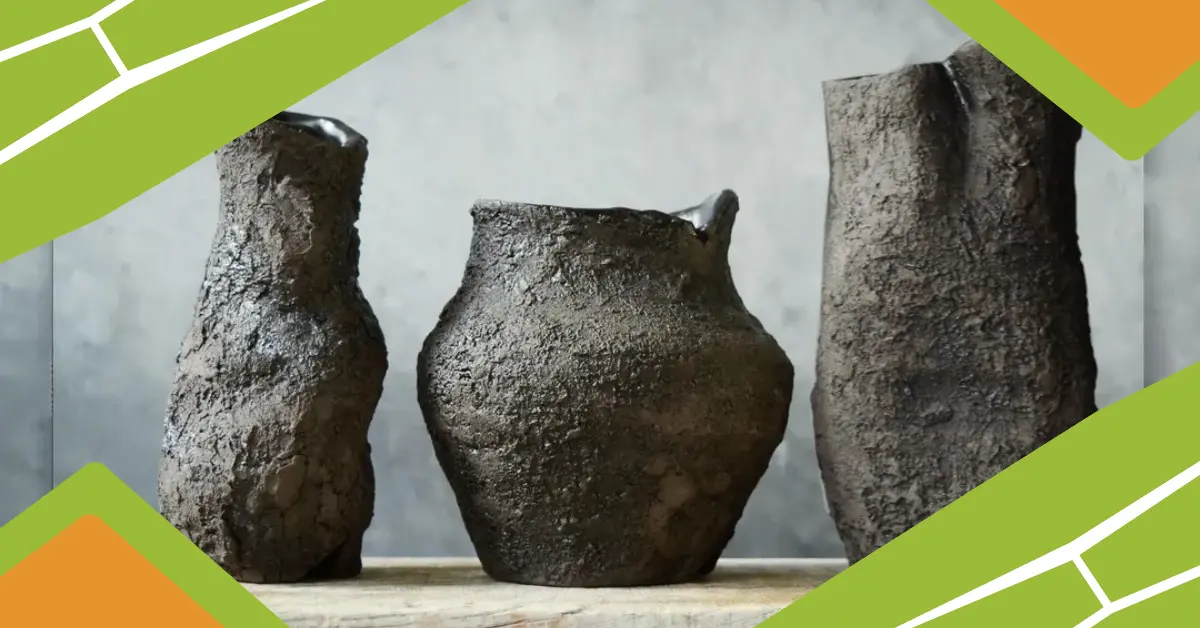
In a world that often celebrates perfection, the Japanese philosophy of wabi-sabi offers a refreshing perspective. Wabi-sabi is the appreciation of imperfection, impermanence, and the natural cycles of growth and decay. It encourages people to find beauty in simplicity, humility, and authenticity. This mindset has influenced Japanese art, architecture, and lifestyle for centuries. Beyond aesthetics, wabi-sabi offers lessons for personal well-being, relationships, and the way we approach daily life.
Understanding Wabi-Sabi
At its core, wabi-sabi is about embracing the natural flow of life. Unlike modern ideals of flawlessness, it values irregularity, asymmetry, and signs of aging. A cracked teacup, weathered wood, or faded fabric is celebrated because it tells a story and reflects time’s passage.
This philosophy encourages mindfulness. Instead of constantly striving for perfection, individuals are invited to pause, observe, and appreciate the beauty inherent in imperfection. Wabi-sabi reminds us that the ephemeral nature of life adds depth and meaning to experiences that might otherwise be overlooked.
Imperfection in Everyday Life
Wabi-sabi is not limited to art or design—it can be woven into everyday routines. In homes, embracing imperfection means choosing functionality, warmth, and authenticity over pristine, sterile spaces. A slightly uneven shelf, a hand-me-down chair, or an old family teapot can become objects of charm rather than flaws to hide.
In the kitchen, imperfectly shaped vegetables or a cracked bowl are not discarded but appreciated for their uniqueness. In clothing, natural wear and subtle aging can make garments feel more personal and comforting. These small acts reflect an acceptance of life’s natural flow and encourage a focus on quality, sustainability, and meaningful choices.
Emotional and Psychological Benefits
The practice of wabi-sabi extends to emotional well-being. Many people feel pressure to appear flawless in work, relationships, or appearance. This constant striving can lead to stress, anxiety, and dissatisfaction. Wabi-sabi encourages self-compassion and acceptance of vulnerability.
By embracing flaws, both in objects and ourselves, we cultivate patience, gratitude, and resilience. Recognizing imperfection as beautiful allows us to release unrealistic expectations. It fosters an inner calm and a sense of fulfillment that is not dependent on achieving an unattainable standard.
Wabi-Sabi in Japanese Culture
Japanese culture celebrates wabi-sabi in multiple ways. Traditional tea ceremonies emphasize simplicity, understated elegance, and the beauty of natural materials. Gardens are designed with asymmetry and organic decay in mind, highlighting seasonal changes and the impermanence of life.
Craftsmanship, from pottery to woodworking, often intentionally incorporates irregularities. A crack in a ceramic bowl, for example, is not hidden but filled with gold through the practice of kintsugi, symbolizing resilience and the beauty of mended flaws. These cultural practices show that imperfection is not a weakness but a source of uniqueness and character.
Creativity and Artistic Expression
Wabi-sabi fosters creativity by embracing unpredictability and imperfection. Artists and creators are encouraged to experiment, accept mistakes, and appreciate the authenticity that comes from imperfection. This mindset allows for innovation and originality because it removes the fear of failure and rigid adherence to conventional ideals.
Even contemporary Japanese design, fashion, and interior decoration draw inspiration from wabi-sabi. Minimalist spaces with natural materials, irregular shapes, and subtle textures create harmony while highlighting the beauty of imperfection.
Applying Wabi-Sabi in Modern Life
Incorporating wabi-sabi into daily life is simple and transformative. Start by observing the natural world and noticing the subtle beauty in aging, asymmetry, or impermanence. Decorate your home with handmade items, natural textures, or objects with history. Choose quality over quantity, and embrace the uniqueness of what you own.
In personal habits and relationships, wabi-sabi encourages authenticity over superficial perfection. Accepting flaws in oneself and others strengthens connections, promotes emotional resilience, and fosters empathy. Even small acts, such as repairing a broken item instead of discarding it, reflect mindfulness and an appreciation for imperfection.
Finding Balance and Mindfulness
Wabi-sabi is also about balance. It teaches that imperfection does not equate to inadequacy. Life is transient, and trying to control everything or achieve perfection is ultimately futile. By accepting imperfection, we create room for mindfulness, gratitude, and a deeper connection to the present moment.
Practicing wabi-sabi reduces stress and encourages a slower, more intentional lifestyle. It reminds us that beauty exists in the everyday, in the imperfect, and in the fleeting moments that make life rich and meaningful.
Conclusion: Embracing the Beauty of Imperfection
Finding beauty in imperfection is not about settling for less or lowering standards. It is about seeing value and authenticity where it naturally exists. Wabi-sabi teaches that imperfection, impermanence, and authenticity are sources of true beauty and meaning.
By incorporating this philosophy into daily life, we can cultivate gratitude, reduce stress, and embrace a mindful, fulfilling lifestyle. In a world obsessed with perfection, the art of appreciating imperfection offers a gentle yet powerful path to inner peace, creativity, and joy.