Education System in Japan: Structure, Grade Levels, High School System & Key Facts
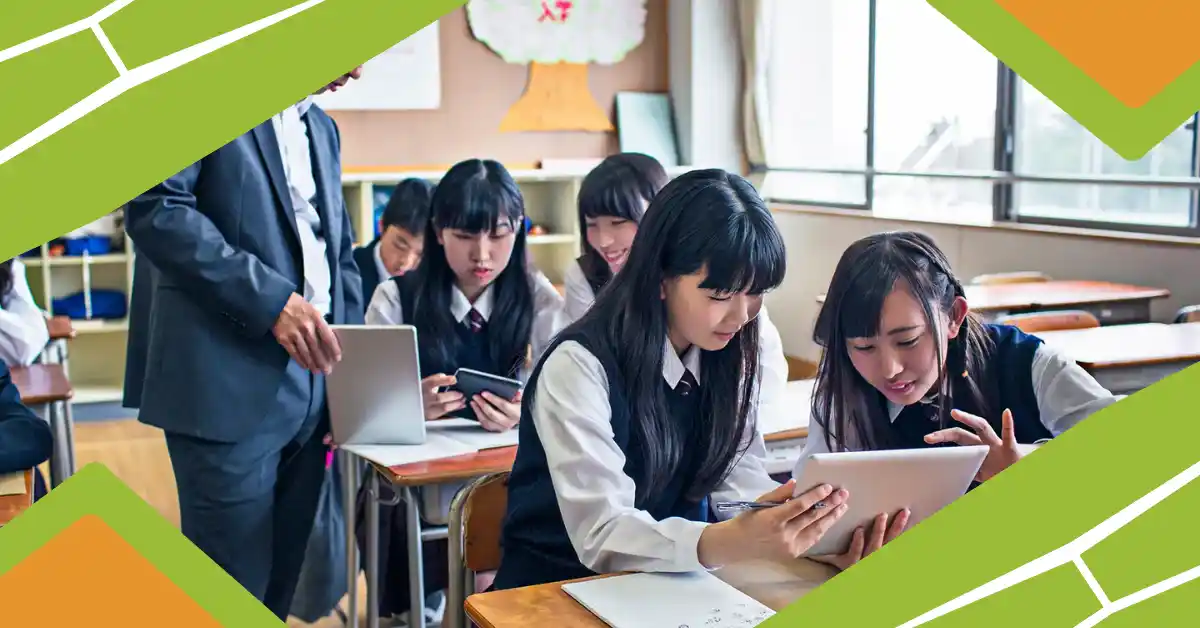
The education system in Japan is widely recognized for its structure, discipline, and strong academic outcomes, often serving as a benchmark for educational models around the world. It combines rigorous classroom learning with character development, creating a system that shapes both intellectual ability and social responsibility from an early age.
Structure of the Japanese School System and Student Ages
The foundation of learning in Japan begins early and follows a clearly defined progression. The Japanese school system ages are carefully aligned with developmental stages, ensuring that students move through each level with age-appropriate academic and social expectations.
Children typically start preschool (optional) around age 3 to 5, followed by six years of elementary school beginning at age 6. After that, students enter junior high school for three years, usually from ages 12 to 15. This is followed by senior high school, which spans another three years, generally covering ages 15 to 18.
The structure can be summarized through its grade progression:
- Elementary School: Grades 1–6 (ages 6–12)
- Junior High School: Grades 7–9 (ages 12–15)
- High School: Grades 10–12 (ages 15–18)
- University or vocational school (optional): from age 18 onward
This structured progression reflects how the Japanese school system grade levels are designed to gradually increase academic difficulty while also fostering discipline, group learning, and responsibility. Unlike some Western systems, there is a strong emphasis on uniformity and national curriculum standards, ensuring that students across the country receive consistent education quality.
Japanese High School System and Academic Expectations
The Japanese high school system plays a crucial role in preparing students for university entrance exams and future careers. Although compulsory education ends at junior high school, most students continue to high school due to the strong cultural emphasis on academic achievement.
High school education in Japan is not compulsory but has a very high enrollment rate. Students choose between general academic high schools, vocational schools, and specialized institutions. Academic high schools focus heavily on subjects like mathematics, science, Japanese language, English, and social studies, with the goal of preparing students for competitive university entrance examinations.
Entrance into high school itself is highly competitive. Students must take standardized exams, and admission to top-tier schools can significantly influence future university opportunities and career paths. This competitive structure creates a strong academic culture, where students are encouraged to study intensively and develop long-term discipline.
Despite the pressure, high schools also emphasize extracurricular activities such as sports clubs, music, and cultural societies. These activities are not optional add-ons but an essential part of student life, helping shape teamwork skills and personal development.
Key Facts About Japan’s Education System
There are several Japanese education system facts that highlight why it is often studied globally as a model of efficiency and discipline.
One of the most notable facts is the strong emphasis on standardized education. The Ministry of Education, Culture, Sports, Science and Technology (MEXT) regulates curriculum across the country, ensuring consistency in what students learn regardless of region or school type.
Another important feature is the cultural value placed on education. Schools are not just academic institutions but also social environments where students learn responsibility. For example, students often clean their classrooms and school facilities themselves, promoting respect for shared spaces.
Additionally, Japan has one of the highest literacy rates in the world, and students consistently perform well in international assessments such as PISA (Programme for International Student Assessment). This reflects both the quality of teaching and the dedication expected from students.
Teacher respect is another key factor. Teachers in Japan are highly respected professionals, and they often work long hours, including lesson planning, club supervision, and student counseling.
Why Japanese Education is Considered Better
When discussing why Japanese education is better, it is important to understand that “better” often refers to efficiency, discipline, and academic performance rather than creativity alone.
One major strength is the strong foundation in early education. Because children begin structured learning at a young age, they develop strong reading, writing, and numeracy skills early on. This creates a solid base for advanced learning later in life.
Another reason is the emphasis on group harmony and discipline. Students learn to work collaboratively rather than competitively in early years, which builds strong social skills and respect for others. School life is highly organized, and students are expected to follow rules strictly, which helps maintain a focused learning environment.
The system also places importance on effort rather than natural ability. Students are encouraged to persist through challenges, and academic success is often seen as the result of hard work rather than innate intelligence. This mindset fosters resilience and long-term dedication.
However, it is also worth noting that the system can be demanding. The pressure of entrance exams and long study hours has raised concerns about student stress. Despite this, the system continues to produce high academic performance and strong societal discipline.
Education Culture and Long-Term Impact
The broader structure of the education system in Japan is deeply influenced by cultural values such as respect, responsibility, and collective harmony. These values are integrated into daily school life, shaping not only academic performance but also behavior and character.
Schools often function as community centers where students participate in cleaning, lunch distribution, and club activities. This holistic approach ensures that education goes beyond textbooks and exams.
Another significant aspect is the role of after-school study. Many students attend juku (cram schools) to prepare for exams, especially during junior high and high school years. This reinforces academic learning but also contributes to long study hours that are characteristic of Japanese students.
Despite these challenges, the system is highly effective in producing disciplined, knowledgeable, and socially responsible individuals.
Conclusion
In summary, the Japanese education model is a highly structured and disciplined system that emphasizes academic excellence, moral development, and social responsibility. From early childhood education to university entrance preparation, every stage is carefully designed to build a strong foundation for students’ futures.
The education system in Japan continues to attract global attention due to its consistent academic performance, cultural integration, and strong institutional framework. While it has both strengths and challenges, its ability to produce high-achieving students with strong social values makes it one of the most influential education systems in the world today.
Also Read: How Japanese Daycares, Preschools & Kindergartens Work