Drinking Culture Beyond Izakayas: Exploring Home Sake Practices in Japan
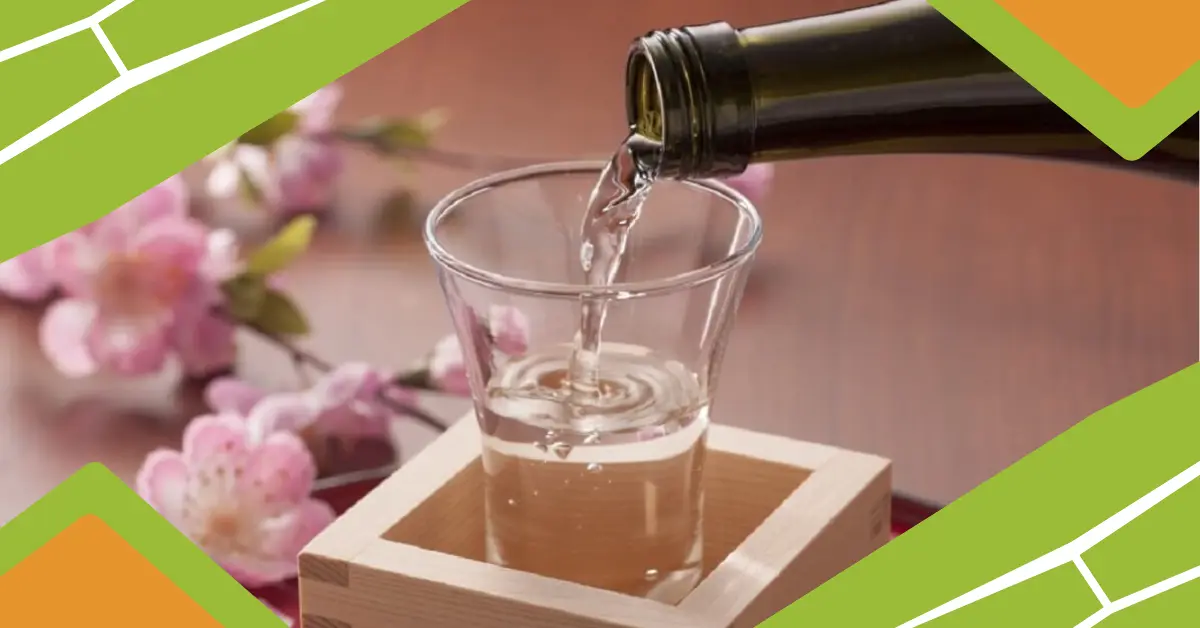
When people think of Japanese drinking culture, bustling izakayas often come to mind. These lively pubs are iconic for their shared plates, laughter, and clinking glasses. Yet, Japan’s drinking culture extends far beyond public spaces. Increasingly, the tradition of enjoying sake at home reflects a quieter, more mindful approach.
Home sake practices highlight aspects of Japanese life that are often overlooked: reflection, ritual, and careful appreciation for the drink itself. For many Japanese, the home is where drinking becomes a deliberate, personal, and cultural experience rather than just a social activity.
Savoring Sake at Home
Drinking sake at home allows for a slower, more contemplative experience. Unlike the casual energy of an izakaya, home drinking emphasizes mindfulness. Pouring sake from a ceramic or wooden flask into small cups is an intentional act, inviting reflection on aroma, taste, and texture.
Many Japanese households maintain a small collection of sake bottles. Selection is often influenced by season, meal pairing, or personal preference. Clear, chilled daiginjo sake is enjoyed during warmer months, while richer, warmer junmai sake is preferred in colder seasons. This attention to detail reflects a deep cultural respect for harmony between food, drink, and nature.
Rituals and Etiquette
Home sake drinking includes rituals that reflect traditional Japanese values. Pouring for others before serving oneself demonstrates respect and hospitality, even among family members or close friends. Clinking cups is accompanied by a quiet “kanpai,” symbolizing shared enjoyment and camaraderie.
Temperature also plays a key role. Sake may be served chilled, at room temperature, or warm. Warming sake enhances its aroma and flavor, creating a comforting and intimate experience. These small but deliberate practices make home drinking both meaningful and culturally rich.
Pairing Sake With Food
Unlike izakayas, where drinks accompany a variety of shared dishes, home sake practices often focus on intentional pairings. Traditional Japanese foods such as sashimi, grilled fish, tofu, and seasonal vegetables are carefully matched with the right type of sake to elevate both flavors.
Some households experiment with fusion cuisine, pairing sake with cheese, pasta, or desserts. This approach highlights sake’s versatility and demonstrates how Japanese culinary culture embraces both tradition and innovation within the home environment.
Home Sake as a Learning Experience
For many, home sake drinking also becomes an educational and meditative practice. Enthusiasts explore brewing methods, regional variations, and flavor profiles while hosting tasting sessions for family and friends. These activities deepen cultural knowledge and appreciation for craftsmanship while supporting local breweries.
Drinking sake at home encourages mindfulness, allowing individuals to pause in daily life, reflect on the moment, and fully savor the sensory experience that is often lost in faster-paced social settings.
Technology and Modern Adaptations
Modern technology has expanded home sake culture. Online shops and subscription services allow enthusiasts to explore rare regional varieties without leaving their homes. Digital platforms also provide tutorials on proper serving, tasting techniques, and pairing recommendations. These innovations have connected Japanese households with global sake lovers, reinforcing appreciation for the craft.
Cultural Significance
Home sake culture reflects core Japanese values: mindfulness, respect, and attention to detail. Drinking at home is not merely consumption—it is a ritual of care, a form of hospitality, and a celebration of heritage. While izakayas represent social energy, home sake emphasizes quiet joy, reflection, and deliberate appreciation.
Japanese households have adapted this tradition to modern life, demonstrating that sake remains a vital part of daily culture. Through mindful home drinking, people connect with centuries of Japanese history while creating meaningful, personal experiences.
Conclusion: Quiet Celebration in the Home
Japanese drinking culture is far more than the vibrant atmosphere of izakayas. Home sake practices reveal a more intimate, mindful, and culturally rich dimension. From careful pouring rituals to deliberate food pairings and reflective tasting, home drinking elevates the act of enjoying sake into a practice of mindfulness and heritage.
In a world often dominated by speed and social spectacle, home sake culture offers a quiet reminder that true enjoyment comes from thoughtfulness, presence, and appreciation. It is a celebration of tradition, craftsmanship, and the subtle pleasures of daily life in Japan.