Dining Through the Decades: Umeda’s Best Restaurants from Showa to Reiwa
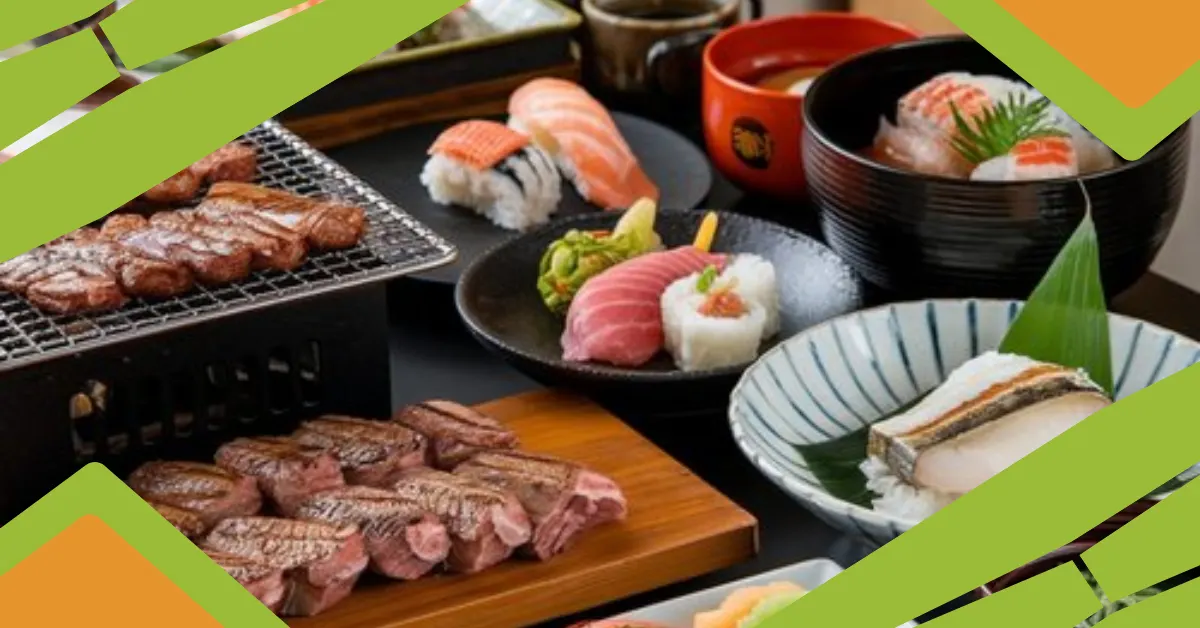
Umeda, the bustling northern hub of Osaka, is more than just a commercial center. It’s a living chronicle of Japanese dining culture, where the tastes and habits of different generations converge. Walking through the streets around Osaka Station, Grand Front Osaka, LUCUA, HEP FIVE, and Kitashinchi, diners can encounter everything from quiet, decades-old sushi counters to vibrant, Instagram-ready cafés. Each establishment tells a story, reflecting the era and the diners who cherish it.
Japanese media often categorize food culture by generations, dividing it into Showa, Heisei, and Reiwa eras. Showa-era restaurants capture nostalgia and craftsmanship, Heisei-era spots focus on comfort and mainstream appeal, and Reiwa-era eateries highlight trends, aesthetics, and innovation. By examining Umeda’s culinary scene through this lens, we can uncover the best restaurants for each generation while celebrating the city’s evolving food culture.
Showa: Nostalgia and Craftsmanship
Showa-era dining is defined by skill, tradition, and authenticity. These establishments favor quality and quiet atmosphere over flashy presentation or social media appeal. Many are tucked into Umeda and Kitashinchi, offering a glimpse of mid-20th century Japan.
Sushi Murakami Jiro stands as a prime example. A Michelin-starred sushi restaurant and Tabelog favorite, it embodies the Showa spirit with meticulous preparation, simple yet refined seating, and unwavering attention to technique. Patrons come not just for food but for the immersive experience of tradition and precision.
Kaiseki restaurants like Oimatsu Hisano and Ryoriya Inaya showcase the artistry of Japanese cuisine, offering seasonal courses in serene, timeless settings. Their meticulous attention to flavor balance, plating, and presentation reflects the Showa ethos: dining as a form of craftsmanship.
Scattered throughout Umeda are retro izakaya and long-standing kissaten coffee shops, offering comfort foods like oden and yakitori in cozy, unpretentious spaces. These hidden gems are treasured by Showa-generation diners who value consistency, loyalty, and the quiet charm of familiar surroundings.
Heisei: Comfort and Familiarity
Heisei-era dining emerged alongside Japan’s economic boom and family-oriented culture in the 1990s and 2000s. Restaurants from this era often prioritize comfort, reliability, and communal enjoyment. Yakiniku chains, teppanyaki restaurants, ramen shops, and family-friendly establishments became staples of social dining.
Teppanyaki Chayamachi, located in the Hotel Hankyu International, offers Kobe beef in a setting that appeals to couples, office dinners, and casual indulgence. Its combination of elegance, reliability, and approachable luxury exemplifies Heisei dining: comfort with a touch of sophistication.
Ramen chains like Ichiran Umeda Shibata illustrate the era’s emphasis on convenience and consistent quality. All-you-can-eat yakiniku and steak restaurants in LUCUA and Grand Front Osaka bring groups together with abundant portions, lively atmosphere, and familiar flavors, creating a sense of shared enjoyment that defines Heisei dining culture.
Reiwa: Trends and Experiences
The Reiwa era has introduced a new wave of culinary creativity in Umeda. Restaurants catering to younger diners focus on presentation, social-media appeal, and experiential dining. New establishments in Grand Front Osaka, LUCUA Osaka, and Time Out Market Osaka exemplify this trend.
Hakata Motsunabe Ooyama has become a favorite for Reiwa-generation diners, offering flavorful beef and pork offal hotpots in a lively and approachable environment. Time Out Market Osaka brings together global and local cuisines, creating a dynamic and photogenic food hall that attracts visitors who want to eat, explore, and share.
Stylish cafés like Tsukinomichi and patisseries such as GARIGUETTE Osaka offer visually stunning desserts and drinks that reflect the Reiwa focus on aesthetics and social sharing. Modern Italian and French restaurants like YUNiCO and capi combine sleek design, inventive flavors, and immersive atmospheres, appealing to diners who value experience as much as taste.
A Multi-Generational Culinary Journey
Exploring Umeda’s restaurants through the lens of generations reveals a rich tapestry of dining experiences. Showa-era sushi counters and kaiseki houses offer elegance, tradition, and nostalgia. Heisei-era ramen shops, teppanyaki restaurants, and yakiniku chains emphasize comfort, reliability, and social dining. Reiwa-era cafés, patisseries, and trendy food halls highlight aesthetics, innovation, and the joy of sharing experiences.
Each generation has its favorites, but many Umeda restaurants transcend their era, bridging the tastes of Showa, Heisei, and Reiwa diners. Patrons might enjoy a historic sushi counter, followed by a modern Italian tasting menu, all within walking distance, creating a seamless journey through time and taste.
Umeda’s culinary landscape demonstrates how food reflects culture, history, and society. From artisanal techniques honed over decades to playful, photogenic creations that capture today’s imagination, the district offers something for every diner. Experiencing Umeda through its generations of restaurants is not just about eating—it is about connecting with the story of Osaka itself.
Whether you seek nostalgia, comfort, or trendiness, Umeda’s dining scene offers a layered and flavorful journey. Exploring these restaurants allows you to taste history, witness the evolution of Japanese dining, and find your own favorite flavors among generations of culinary excellence.