Chōnaikai and Jichikai: Understanding Japanese Neighborhood Associations
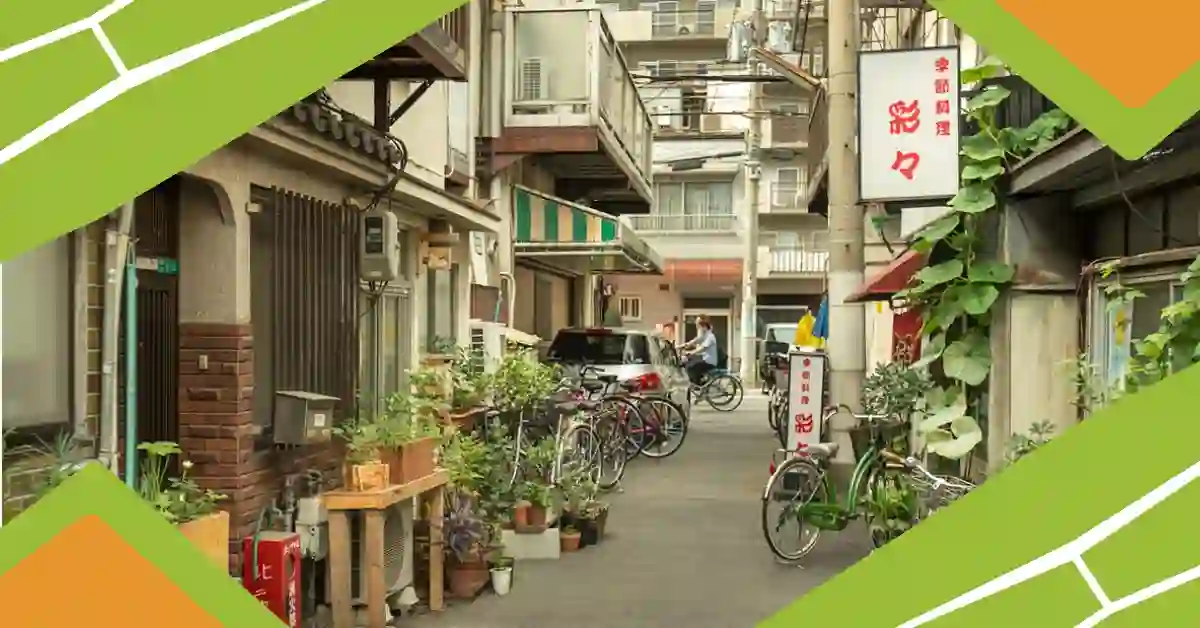
For anyone moving to Japan, integrating into local life can feel daunting. While language and culture are often the first hurdles, understanding Japan’s neighborhood associations known as chōnaikai or jichikai offers a unique window into the country’s communal heartbeat. These voluntary, resident-led groups exist in nearly every city and town, weaving residents together through festivals, disaster drills, community services, and everyday support. For expats, chōnaikai are more than administrative bodies they are a gateway to belonging, offering connection and purpose, albeit with subtle obligations.
What Are Chōnaikai and Jichikai?
Chōnaikai and jichikai are small, self-governing community organizations typically operating at the block or district level. While their structure varies from one neighborhood to another, their mission is consistent: fostering local cohesion, safety, and mutual support.
At the heart of this system is the kairanban, a circular board or newsletter circulated from house to house. This traditional tool carries critical updates about garbage collection, local events, or emergency notices, binding neighbors through simple yet meaningful rituals. It’s a tangible representation of Japan’s communal culture, where individual actions strengthen collective resilience.
Some districts prioritize cultural festivals like summer matsuri, while others focus on disaster preparedness, patrolling streets, organizing drills, and ensuring everyone knows evacuation routes. For newcomers, joining a chōnaikai offers a front-row seat to Japan’s community life, turning what may seem like a foreign city into a neighborhood that feels like home.
The Benefits of Joining a Chōnaikai
Joining a neighborhood association comes with both social and practical rewards. For families, it is a powerful way to build social networks, share parenting tips, and participate in school sports days or children’s events. For expats, these associations provide critical insight into local customs, rules, and emergency procedures.
Cultural Immersion and Local Bonds
Participation in community festivals and seasonal events creates opportunities to forge friendships with neighbors. Volunteers often work side by side on decorations, food stalls, or performance rehearsals, experiencing Japan’s collective culture firsthand. These interactions allow foreigners to transition from feeling isolated to being active, respected members of the community.
Safety and Disaster Preparedness
Japan is prone to natural disasters, including earthquakes, typhoons, and floods. Chōnaikai play a pivotal role in emergency preparedness, from organizing neighborhood drills to distributing first-aid and evacuation information. This community-based safety network provides both peace of mind and practical skills that would be hard to gain as an individual.
Civic Influence
Another overlooked benefit is the ability to effect local change. Neighborhood leaders act as intermediaries with city offices, advocating for improved infrastructure such as traffic lights, guardrails, or public spaces. Residents’ collective voices often carry far more weight than solo petitions, giving members a tangible impact on their surroundings.
Responsibilities and Obligations
Despite the many benefits, chōnaikai membership carries certain responsibilities. While joining is voluntary, social norms and sometimes lease agreements can exert subtle pressure on participation.
Fees and Contributions
Members usually contribute monthly dues, typically ranging from 500 to 2,000 yen, depending on the neighborhood. These funds support festivals, cleanup activities, and disaster preparedness resources. Some landlords may automatically include these fees in rent, making them unavoidable for tenants.
Volunteering and Duties
Membership often comes with tasks such as street cleaning, organizing events, or serving as officers. These responsibilities can be time-consuming and may feel burdensome for individuals balancing work and family. However, these duties also foster a sense of shared responsibility and deepen connections with neighbors.
Social Expectations
Choosing not to participate may result in subtle social exclusion. For instance, in strict neighborhoods, non-members might lose access to garbage disposal rules communicated via the kairanban, or miss out on festival preparations and social gatherings. While technically optional, membership is a gateway to full community integration.
Everyday Functions of Chōnaikai
Beyond festivals and disaster readiness, chōnaikai serve as the backbone of everyday community life in Japan.
- Safety Patrols: Members often take turns monitoring streets, enhancing neighborhood security.
- Waste Management: Coordinating garbage collection, especially bulky or hazardous items, ensures clean and organized surroundings.
- Support for the Vulnerable: Programs like meal delivery for elderly residents, emergency shelter coordination, and aid for those in need exemplify Japan’s communal care ethic.
- Bureaucracy Liaison: Leaders help translate residents’ concerns into actionable solutions with municipal offices.
- Ceremonial Participation: From funerals to festivals, chōnaikai members assist in both celebrations and moments of grief, fostering empathy and social cohesion.
In many neighborhoods, multilingual guides and translated resources are now offered to help expats understand and contribute effectively, breaking language barriers and creating inclusivity.
How Expats Benefit
For foreigners, joining a chōnaikai can dramatically ease the cultural adjustment process. Stories abound of previously isolated renters who, after attending a few meetings or participating in local festivals, feel part of a supportive community. From sharing tips on school enrollment to learning the nuances of trash separation rules, these associations act as a bridge between local customs and expat life.
Participation also improves practical living. During emergencies, members are better informed and equipped to respond, and social connections can provide unexpected help from borrowing tools to childcare support illustrating the deep social capital embedded in Japan’s neighborhood networks.
Weighing the Decision
Before joining, it’s important to consider both your personal lifestyle and the specific neighborhood’s culture. Families and culturally curious individuals often thrive in chōnaikai, embracing the obligations as part of community life. Independent or transient residents may find the duties burdensome.
Tips for newcomers:
- Check with your realtor or landlord about membership fees and obligations.
- Attend an introductory meeting to observe the neighborhood dynamic.
- Consider your schedule and willingness to participate in events or volunteer duties.
In essence, chōnaikai are not perfect they are human organizations balancing tradition, obligation, and community spirit. Yet for those willing to lean in, they offer profound connections and experiences that are otherwise difficult to achieve in modern urban life.
Conclusion: Chōnaikai as Japan’s Communal Backbone
Chōnaikai and jichikai exemplify the quiet strength of Japanese community life. Through festivals, disaster drills, and everyday support, they bind neighbors into networks of trust, empathy, and mutual aid. For expats, they offer more than just information they are an avenue to belong, participate, and influence.
Membership comes with costs, both financial and in time, but the rewards of connection, cultural immersion, and practical support are considerable. In a country renowned for resilience, these neighborhood associations reveal the human side of Japan’s social fabric a living proof that collective effort can enhance both individual and communal well-being.
Whether you are seeking deep local ties, support during emergencies, or a richer cultural experience, understanding and participating in a chōnaikai can transform your life in Japan. For newcomers ready to embrace the rhythm of communal life, it’s an invitation not just to a neighborhood but to belonging itself.\
Also Read: The Conflict-Avoiding Culture of Japan: How Harmony Shapes Daily Life