Capsule Living as Comfort: How Japan Redefines Small-Space Living
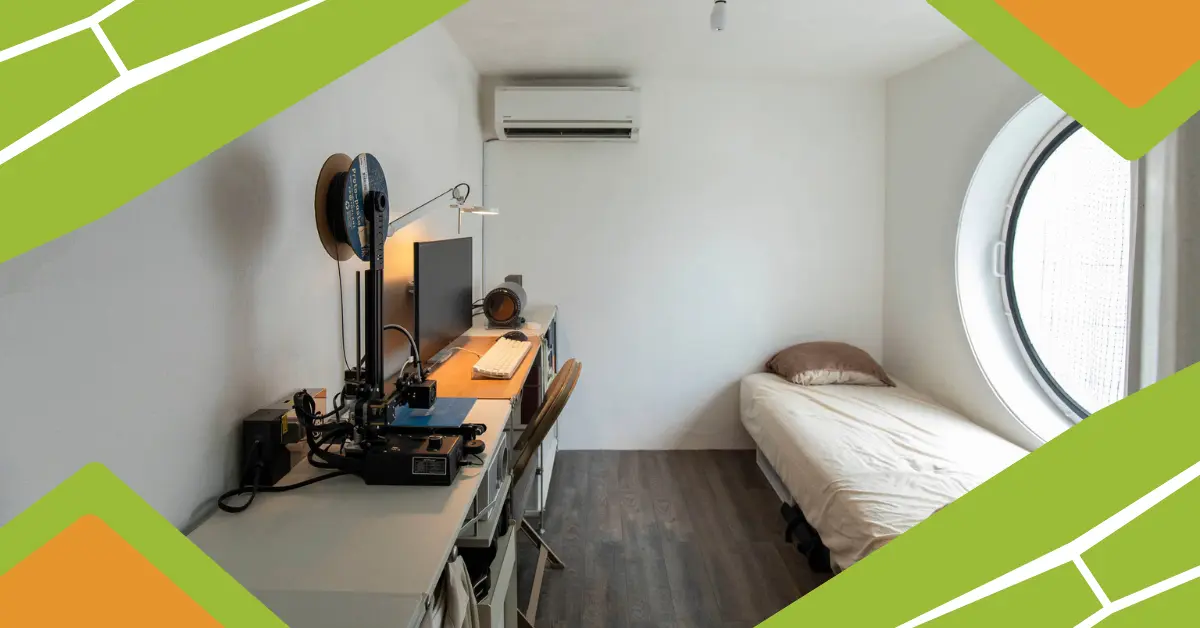
In Japan, space is a luxury. Urban density and high real estate costs have inspired innovative housing solutions, and capsule living is one of the most striking examples. Far from being merely functional, capsule apartments and pod-style accommodations offer comfort, efficiency, and a sense of security. They reflect a lifestyle that values simplicity, mindfulness, and intentional living.
Capsule living challenges the idea that bigger is always better. By embracing compact, well-designed spaces, residents can focus on essentials, reduce stress, and enjoy a sense of autonomy and comfort that larger spaces sometimes fail to provide.
The Origins of Capsule Living
Capsule living originated in Japan in the late 1970s with the development of capsule hotels. These small pods were designed to provide temporary lodging for commuters, travelers, and workers needing short-term accommodations. Over time, the concept expanded into residential solutions for city dwellers seeking affordable, functional, and minimalist living.
The design emphasizes efficiency and multi-functionality. Each capsule or micro-apartment is carefully engineered to provide sleeping, storage, and sometimes workspace within a minimal footprint. Every inch is utilized thoughtfully, reflecting the Japanese principle of ma, or the use of space and timing to create harmony.
Why Capsule Living Feels Comfortable
Despite their small size, capsule spaces offer comfort in several ways:
- Privacy and Personal Space: Pods create a private sanctuary, even in crowded urban environments. They provide a sense of security and personal boundaries.
- Simplicity and Organization: With limited space, residents prioritize essential items, reducing clutter and creating a calming environment.
- Efficiency and Convenience: Capsule spaces are designed for functional living. Built-in storage, modular furniture, and clever layouts enhance usability.
- Community Without Overcrowding: In capsule hotels or shared buildings, communal areas allow social interaction while preserving personal privacy.
Cultural Context and Lifestyle
In Japan, minimalism and intentional living are deeply ingrained in daily life. Capsule living aligns with these values by encouraging residents to live with purpose, focusing on what truly matters. It also reflects the Japanese respect for order, cleanliness, and mindfulness in the environment.
For many residents, living in a capsule is not a compromise but a conscious lifestyle choice. It allows for freedom from unnecessary possessions, financial flexibility, and the ability to live close to urban centers without the burden of large apartments.
The Psychological Benefits of Capsule Living
Capsule living offers more than physical efficiency; it provides mental and emotional comfort. The simplicity of the space encourages focus, reduces decision fatigue, and promotes mindfulness.
For solo dwellers, it offers a private retreat from the outside world, creating a controlled environment that feels safe and restorative. For travelers, capsule hotels provide a comfortable, cost-effective, and efficient alternative to traditional accommodations.
Modern Adaptations and Global Influence
The concept of capsule living has expanded beyond Japan. Micro-apartments, pod hotels, and compact urban living spaces in cities worldwide draw inspiration from Japanese capsule design. The focus on efficiency, comfort, and mindful living resonates with a generation seeking practical solutions in crowded, expensive urban centers.
Even in Japan, modern capsules feature technology-enhanced pods, including climate control, entertainment systems, and smart storage solutions, blending innovation with the timeless appeal of minimalism.
Conclusion: Rethinking Comfort in Small Spaces
Capsule living demonstrates that comfort is not defined by size. It is defined by thoughtful design, intentional living, and a sense of personal security. By embracing compact spaces, residents can cultivate simplicity, mindfulness, and efficiency, turning a small living area into a sanctuary.
In Japan, capsule living is more than a housing solution—it is a lifestyle philosophy that challenges conventional ideas of comfort, proving that even the smallest spaces can offer maximum satisfaction and peace.