Bowing in Japan Explained: A Timeless Gesture of Grace, Respect, and Harmony
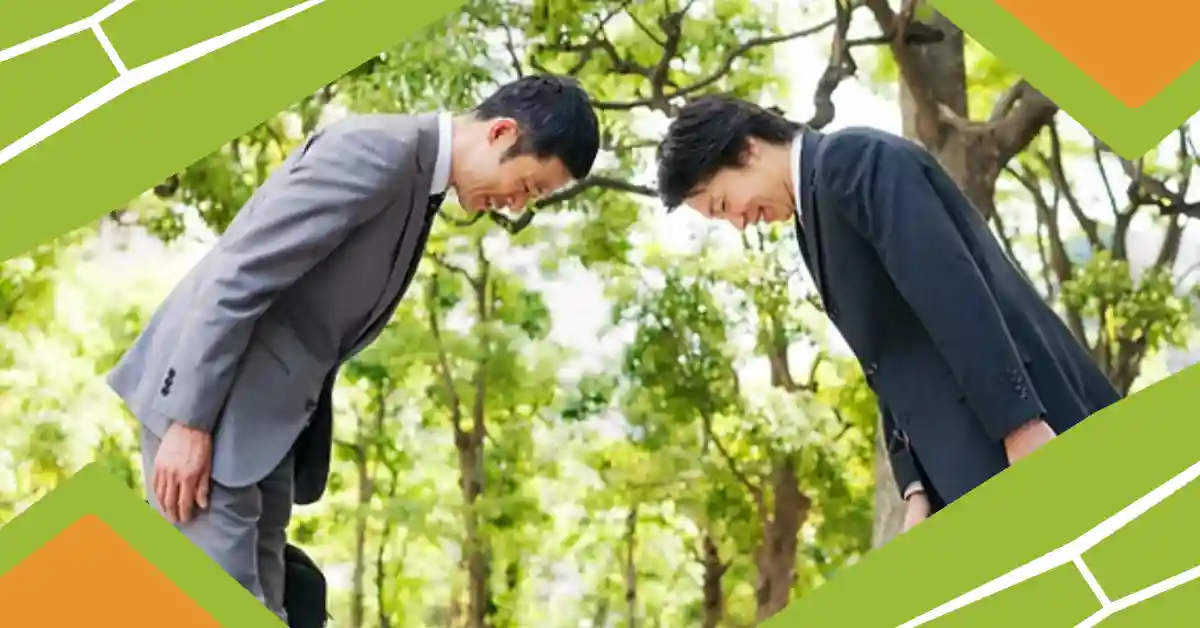
Bowing in Japan is far more than a polite formality; it is a language without words, a bridge that connects hearts, and a reflection of the deep-rooted cultural values of respect, humility, and harmony. Known as ojigi, the art of bowing pervades every facet of Japanese life, from casual greetings to solemn rituals, business etiquette, and spiritual practices. For visitors and foreigners seeking to understand Japan’s social fabric, mastering bowing is not just a matter of politeness it is a key to forging genuine human connections.
The Historical Roots of Bowing in Japan
The tradition of bowing in Japan dates back over a millennium. Introduced alongside Buddhism from China around the 5th to 8th centuries, bowing symbolized piety, surrender, and respect. Lowering one’s head signified a lack of threat, demonstrating deference to both social superiors and the divine.
Later, the samurai embraced bowing as a disciplined practice influenced by Zen Buddhism. Bowing became an expression of inner strength, loyalty, and humility a reminder that true power lies in bending without breaking. Even today, this historical legacy informs Japan’s cultural emphasis on politeness, harmony, and non-verbal communication.
Understanding the Different Types of Bows
Not all bows are created equal. In Japan, the depth, duration, and context of a bow convey subtle meanings about respect, gratitude, apology, or social hierarchy. The primary categories include:
- Eshaku (15°): A casual, light bow suitable for greetings among peers or quick thanks. It conveys friendliness without formality.
- Keirei (30°): A standard, polite bow used in everyday interactions, business meetings, and for expressing respect toward superiors.
- Saikeirei (45–70°): A deep bow reserved for formal occasions, apologies, or reverence toward someone of much higher social rank, such as royalty or spiritual leaders.
The precision of bowing is not just in angle it involves posture, eye direction, and breathing. Standing straight, exhaling while descending, and maintaining composure throughout demonstrates genuine respect and mindfulness.
When and How to Bow in Japan
Knowing when and how to bow is essential for foreigners navigating Japanese culture. Bowing occurs in various scenarios:
- Greetings and Farewells: A bow is often more appropriate than a handshake, especially in traditional settings.
- Expressions of Gratitude: Deep bows convey sincere thanks, while lighter bows are sufficient for casual acknowledgment.
- Apologies: The deeper the bow, the more serious the apology, reflecting true remorse and humility.
- Entering Sacred Spaces: Temples, shrines, and even certain business environments require respectful bowing as part of protocol.
For casual interactions, a small nod of the head is enough. In more formal or business contexts, it’s safer to lean toward deeper, more precise bows. Japanese hosts often notice effort and sincerity over perfection, and even imperfect attempts can earn warm acknowledgment.
Bowing and Japanese Social Hierarchy
Bowing is tightly intertwined with Japan’s social hierarchy. The depth and duration of a bow often reflect the relative social status between individuals. A junior employee bows lower to a senior, and guests bow to hosts. This subtle yet powerful form of communication ensures harmony and mutual respect in both social and professional settings.
Even in lighthearted contexts, such as friendly “bowing competitions,” the act can foster connection and mutual understanding. Matching or slightly adjusting the depth of a bow can transform a potentially awkward interaction into a moment of shared joy.
Bowing in Business and Professional Settings
In Japanese business culture, bowing is more than etiquette it is an essential skill. Meetings often begin and end with bows, and improper form can inadvertently signal disrespect or unpreparedness.
Tips for professional bowing include:
- Mirror the depth of your counterpart’s bow.
- Keep your back straight and eyes lowered.
- Avoid rushing; a pause at the bottom of the bow demonstrates attentiveness.
- In elevator or crowded spaces, a subtle nod or sideways bow suffices.
Corporate Japan trains employees rigorously in bowing etiquette, turning routine gestures into rituals that reinforce professionalism, hierarchy, and social cohesion.
Bowing in Spiritual and Martial Practices
Bowing is central to Japanese spiritual and martial traditions. In kendo dojos, practitioners bow before and after each match to show respect to opponents, teachers, and the practice itself. Temples and shrines incorporate deep bows into prayers and rituals, symbolizing humility and devotion.
Here, bowing transcends mere formality it becomes a meditative practice. Each movement reflects mindfulness, discipline, and a deep connection to the environment and people around you.
Bowing as a Gesture of Hospitality
At its heart, bowing embodies omotenashi, the Japanese philosophy of selfless hospitality. Guests feel welcomed, valued, and respected, not through words alone, but through a physical gesture that communicates sincerity.
Foreigners often worry about making mistakes, but a genuine effort goes far in Japan. A sincere bow opens doors to stronger relationships, deeper trust, and even lasting friendships. It is a non-verbal bridge to understanding Japanese culture in a profoundly personal way.
Practical Tips for Tourists and Foreigners
- Start Small: A slight nod is better than an exaggerated, awkward bow.
- Observe and Mirror: Watch locals to gauge depth and duration.
- Context Matters: Adjust your bow depending on whether the setting is casual, professional, or sacred.
- Combine with Politeness: Pair bows with verbal greetings like arigatou (thank you) or sumimasen (excuse me).
- Be Sincere: Effort and authenticity matter more than perfect technique.
By embracing bowing with respect and mindfulness, travelers experience not just a cultural ritual, but an emotional connection that resonates deeply with Japanese values.
The Cultural Significance of Bowing Today
Bowing in Japan remains a living tradition, connecting the past to the present. It is a gesture that expresses everything from casual acknowledgment to profound reverence. Beyond etiquette, it reflects an understanding that relationships are built on humility, empathy, and mutual respect.
For visitors, bowing is an invitation to step into Japan’s social rhythm and experience a culture where grace, harmony, and human connection are expressed with subtle yet powerful gestures.
In a world dominated by words and technology, the Japanese bow reminds us that sometimes the deepest communication requires nothing more than a bend of the body and sincerity in the heart.
Conclusion
Bowing in Japan is more than a custom it is a window into the nation’s soul. Rooted in history, refined by tradition, and alive in modern life, it is a silent yet eloquent gesture of respect, humility, and connection. By understanding and practicing ojigi, foreigners gain more than etiquette they experience the spirit of Japan itself, one graceful bow at a time.