Best Vintage Clothing in Tokyo & Kyoto: Ultimate Guide to Thrift & Retro Fashion Scene
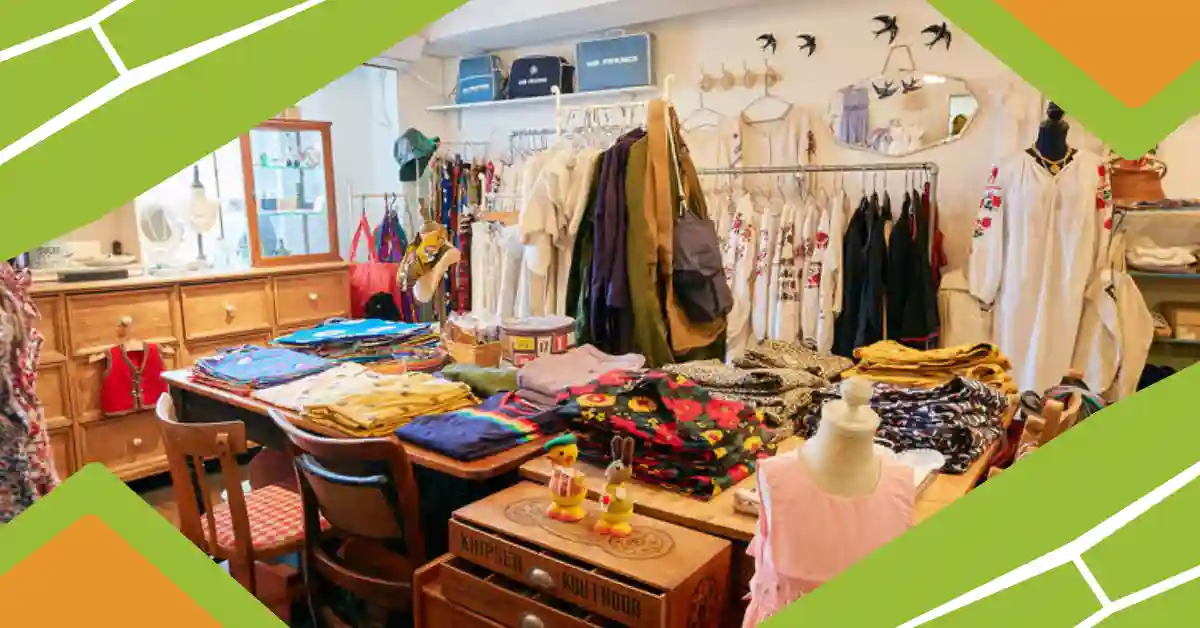
Vintage clothing in Tokyo & Kyoto has become one of the most sought-after fashion experiences for travelers and style enthusiasts exploring Japan’s retro culture. From curated designer thrift stores to hidden neighborhood gems, both cities offer a deep and evolving secondhand fashion scene that blends nostalgia, sustainability, and high-end street style.
The Rise of Japan’s Vintage Fashion Culture
Japan’s love for vintage clothing is not just a passing trend, it is deeply rooted in its appreciation for craftsmanship, detail, and individuality. Unlike fast fashion markets in many parts of the world, Japan’s secondhand industry emphasizes quality control, garment preservation, and careful curation. This cultural mindset has helped build a resale ecosystem where even decades-old pieces are treated like valuable artifacts.
Over the past two decades, vintage fashion has grown from niche subcultures into a mainstream lifestyle choice, especially among younger generations in Tokyo and Kyoto. Influenced by global streetwear movements, 90s nostalgia, and luxury resale demand, Japan has become one of the most important destinations for thrift shopping worldwide.
What makes the experience special is not just the clothing itself, but the way stores are organized. Many shops feel more like boutique galleries than thrift stores, with carefully arranged racks, themed collections, and a strong focus on aesthetics.
Tokyo’s Thriving Vintage Scene and Neighborhood Culture
Tokyo is often considered the epicenter of Japan’s fashion innovation, and its vintage culture reflects that energy. Each district has its own personality, offering different interpretations of retro and secondhand style.
Shimokitazawa is widely recognized as the heart of Tokyo’s thrift culture. The area is filled with independent stores offering everything from American 80s denim and military jackets to Japanese designer archival pieces. Walking through its narrow streets feels like exploring a living fashion archive where every store tells a different story.
Shibuya and Harajuku, on the other hand, lean more toward curated vintage mixed with modern streetwear influences. Here, you’ll find high-end resale boutiques featuring luxury brands, reworked fashion, and rare designer pieces. These neighborhoods attract stylists, influencers, and fashion-forward shoppers who are constantly looking for statement items.
Koenji is another important area worth mentioning. It has a more underground, artsy vibe compared to other districts. Many shops here specialize in punk, rock, and Americana-inspired fashion, making it a favorite among collectors and creatives.
Across Tokyo, pricing varies widely depending on the store type. Some pieces can be surprisingly affordable, while others especially rare designer items can be priced close to retail luxury levels. The diversity ensures that every shopper, from casual thrifters to serious collectors, can find something meaningful.
Kyoto’s Slower, More Curated Vintage Experience
While Tokyo is fast-paced and expansive, Kyoto offers a more relaxed and intimate vintage shopping experience. The city’s historical atmosphere blends naturally with retro fashion, making it a unique destination for those who appreciate subtlety and craftsmanship.
In Kyoto, many vintage stores are located near cultural districts such as Teramachi and Shinkyogoku. These areas combine traditional shopping arcades with modern boutiques, creating a balanced environment where old and new coexist.
Unlike Tokyo’s high-energy thrift hubs, Kyoto’s stores often focus on carefully selected pieces rather than large inventories. You’ll find elegant kimonos, minimalist Japanese fashion from past decades, and timeless European imports that reflect a more refined aesthetic.
This slower curation style makes shopping in Kyoto feel more personal. Store owners often take time to explain the history behind pieces, helping visitors understand the cultural value behind each garment. It’s not uncommon to discover items that feel like wearable history rather than just fashion.
Kyoto’s vintage scene also reflects the city’s artistic heritage. Many boutiques emphasize natural fabrics, muted tones, and timeless silhouettes that align with Kyoto’s traditional aesthetic values.
What Makes Japan’s Thrift Scene Unique
One of the main reasons Japan stands out in the global vintage market is its extremely high standard of garment care. Even secondhand items are often in excellent condition, with minimal wear and careful preservation.
Another key factor is the influence of Japanese fashion subcultures. From Harajuku street style to Americana-inspired “Ametora” fashion, these movements have shaped how vintage clothing is collected and styled. As a result, stores often carry curated selections that reflect specific aesthetics rather than random assortments.
Japan also benefits from strong import channels, especially for American and European vintage clothing. This has created a diverse inventory where you can find everything from Levi’s denim and varsity jackets to French workwear and Italian tailoring.
Sustainability is another growing motivation. Younger shoppers are increasingly turning to secondhand fashion as a way to reduce waste and support circular fashion systems. This shift has helped elevate thrift shopping from a budget choice to a conscious lifestyle decision.
Styling Tips and Smart Shopping Approach
When exploring vintage fashion in Japan, having a clear sense of style can make your shopping experience more rewarding. Instead of focusing only on trends, it helps to think about how each piece fits into your long-term wardrobe.
One important approach is to prioritize quality over quantity. Many vintage shops in Japan carry unique items that are difficult to find elsewhere, so choosing pieces that truly resonate with your personal style is more valuable than buying multiple items impulsively.
It is also useful to understand sizing differences. Japanese vintage clothing often follows older sizing standards or imported sizing systems, so trying items on is essential whenever possible.
A simple way to approach shopping is:
- Focus on timeless silhouettes rather than seasonal trends
- Look for well-preserved fabrics and stitching details
- Mix vintage pieces with modern basics for balanced styling
These principles help create outfits that feel intentional rather than purely nostalgic.
The Role of Vintage Fashion in Modern Japanese Culture
Vintage fashion in Japan is more than just retail, it is part of a broader cultural appreciation for history and reinvention. Many designers and stylists draw inspiration from archived garments, reinterpreting them for modern audiences.
In both Tokyo and Kyoto, vintage clothing is also tied to identity. It allows individuals to express themselves outside of mass-market trends while still participating in global fashion conversations. This balance between individuality and cultural influence is what makes Japan’s secondhand scene so compelling.
Interestingly, international visitors often discover that shopping for vintage clothing becomes one of the highlights of their trip. It offers a tangible connection to Japan’s evolving fashion landscape and provides a more personal way to experience local culture.
Conclusion: A Journey Through Time and Style
Exploring Japan’s secondhand fashion culture reveals why it continues to attract global attention. From the dynamic streets of Tokyo to the refined atmosphere of Kyoto, each city offers a different perspective on style, history, and sustainability.
For many travelers, discovering vintage clothing in Tokyo & Kyoto is not just about shopping, it is about understanding how fashion evolves across generations and cultures. The experience blends storytelling, craftsmanship, and individuality in a way few fashion destinations can match.
Whether you are searching for rare designer pieces, casual retro outfits, or culturally rich garments, Japan’s vintage scene offers a timeless journey that continues to grow in influence and creativity.