Discover the Best Season to Visit Japan in 2026: Tips for an Unforgettable Trip
When planning a trip to the Land of the Rising Sun, many travelers wonder about the best season to visit Japan. Japan is a country of distinct seasons, each offering unique experiences, landscapes, and cultural events. Choosing the right time to visit can significantly enhance your travel experience, whether you are drawn to cherry blossoms, autumn leaves, winter sports, or summer festivals.
Spring: Cherry Blossoms and Pleasant Weather
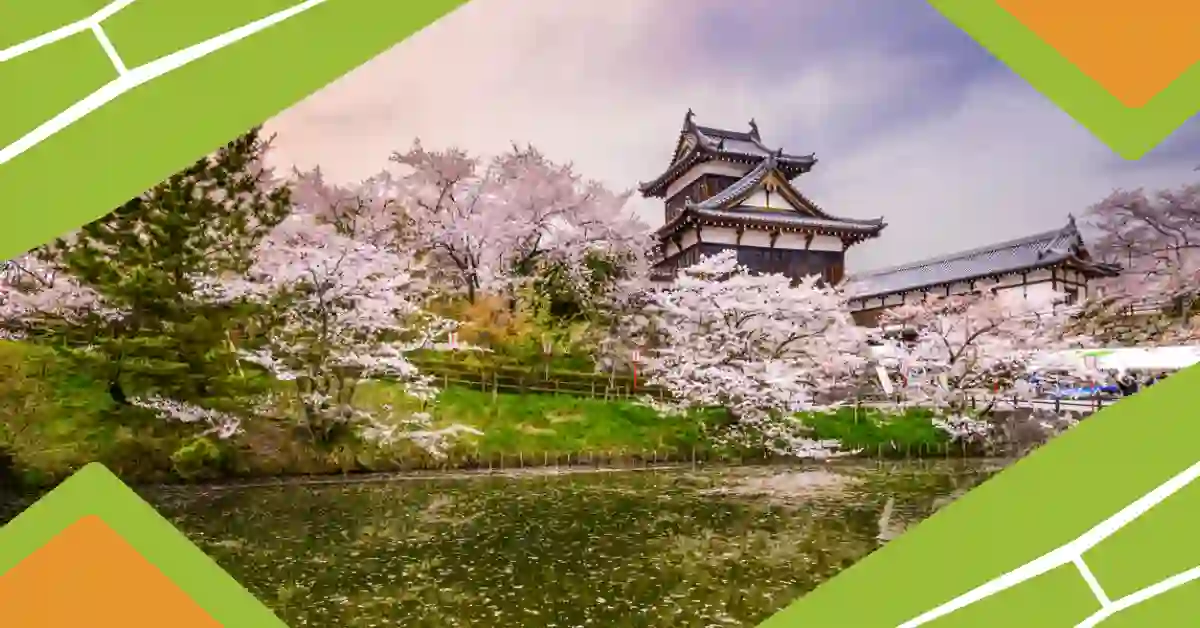
Spring, from March to May, is arguably the most popular season for tourists. This period is famous for its iconic cherry blossoms (sakura), which bloom across the country in a breathtaking display of pink and white flowers. The weather is mild and comfortable, making it ideal for exploring cities like Tokyo, Kyoto, and Osaka.
During spring, numerous hanami (flower-viewing) festivals take place, allowing visitors to enjoy picnics under the cherry trees. While this is one of the best seasons to visit Japan, it’s also the peak tourist period. Booking accommodations early is essential, especially in major tourist hotspots.
Summer: Festivals and Vibrant Nature
Summer in Japan, from June to August, is characterized by lush greenery, warm temperatures, and lively cultural events. Although the season can be hot and humid, it is a fantastic time to experience traditional summer festivals such as Gion Matsuri in Kyoto and the Nebuta Festival in Aomori.
June also marks the rainy season, known as tsuyu, which brings heavy showers and occasional flooding in certain regions. However, July and August are excellent months for hiking in Hokkaido, visiting Japan’s northern islands, and enjoying coastal attractions. Summer is less popular than spring among international tourists, which can mean fewer crowds at popular destinations.
Autumn: Stunning Foliage and Comfortable Weather
Autumn, from September to November, is often considered the best season to visit Japan for those who want to enjoy scenic landscapes without the crowds of spring. The weather is cooler and drier, and the vibrant autumn foliage (koyo) transforms parks, temples, and mountains into a tapestry of red, orange, and yellow hues.
Kyoto, Nikko, and the Japanese Alps are particularly breathtaking during this season. Autumn is also a great time to explore local cuisine, as many seasonal foods, such as chestnuts and mushrooms, are at their peak. This season provides a balance of natural beauty, pleasant weather, and fewer tourists, making it an ideal choice for travelers seeking a serene experience.
Winter: Snowy Landscapes and Hot Springs
Winter in Japan, from December to February, is perfect for those who enjoy snow sports and cozy retreats. The northern regions, including Hokkaido and the Japanese Alps, offer world-class skiing and snowboarding. Ski resorts like Niseko and Hakuba attract winter sports enthusiasts from around the world.
Beyond skiing, winter is the time to enjoy Japan’s famous onsen (hot springs), which provide a relaxing experience amid snowy landscapes. Although winter temperatures can be quite cold, the season presents a unique charm with fewer tourists and festive events like illuminations and New Year celebrations.
Choosing the Best Season for Your Visit
Determining the best season to visit Japan largely depends on your personal preferences, travel style, and priorities. If you want to witness the iconic cherry blossoms and enjoy mild, comfortable weather, spring is the perfect choice. For those who love vibrant festivals, outdoor adventures, and lush greenery, summer offers a lively and energetic atmosphere. Autumn is ideal for travelers seeking stunning landscapes, colorful foliage, and a more relaxed experience, while winter appeals to snow enthusiasts, hot spring lovers, and anyone looking for a peaceful retreat away from crowds.
It’s also important to consider regional variations. Northern Japan experiences harsher winters and delayed cherry blossoms, while southern regions like Okinawa remain warmer year-round. Understanding these differences can help you plan a trip tailored to your interests.
Tips for a Memorable Visit
- Book in advance: Peak seasons, especially spring and autumn, require early reservations for hotels and transportation.
- Pack appropriately: Japan’s weather varies by season, so packing layers and comfortable shoes is essential.
- Plan regional travel: Traveling between cities like Tokyo, Kyoto, and Hokkaido by Shinkansen (bullet train) is convenient and offers a chance to enjoy scenic routes.
- Enjoy seasonal cuisine: Each season brings unique dishes, from spring sakura-themed treats to autumn harvest meals.
Conclusion
While Japan is a country worth visiting at any time of the year, understanding the unique characteristics of each season can greatly enhance your travel experience. The best season to visit Japan depends on what you value most whether it’s the breathtaking beauty of blooming cherry blossoms in spring, the lively energy of summer festivals, the vibrant hues of autumn foliage, or the excitement of winter sports in snowy landscapes. By carefully aligning your travel plans with the season that best matches your interests, you can fully immerse yourself in Japan’s rich culture, diverse natural scenery, and timeless charm. Each season offers something special, ensuring that every trip to Japan is memorable and uniquely rewarding.