Best Japan Hot Springs (Onsen) Guide: Top Ryokan & Relaxing Bath Experiences
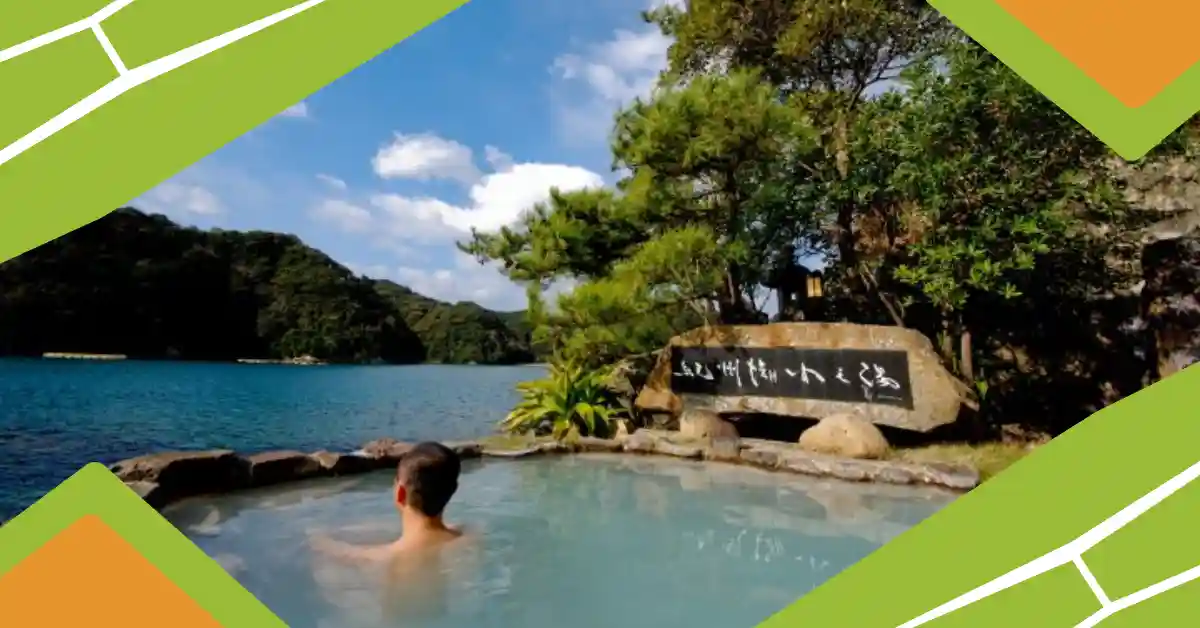
Onsen experiences in Japan are among the most iconic wellness traditions in the world, blending natural geothermal bathing, cultural rituals, and serene landscapes into a deeply relaxing escape. If you are planning a trip focused on relaxation, traditional hospitality, and healing mineral waters, this guide will help you discover the best regions, ryokan stays, etiquette tips, and immersive bath experiences across Japan.
Introduction to Japan’s Hot Spring Culture
Japan is home to thousands of natural hot springs formed by its volcanic geography, making bathing in mineral-rich waters a centuries-old cultural practice. An Onsen is more than just a bath it is a ritual of purification, relaxation, and connection with nature.
From snowy mountain retreats in the north to coastal geothermal towns in the south, hot spring destinations are spread throughout the country. Whether you’re soaking in an outdoor rotenburo surrounded by forests or enjoying a private wooden bath in a luxury ryokan, this experience reflects Japan’s philosophy of mindfulness and simplicity.
Visitors often combine hot spring bathing with stays at traditional inns known as ryokan, where tatami rooms, seasonal kaiseki meals, and exceptional hospitality create a complete cultural immersion.
Best Hot Spring Regions in Japan
Japan offers a wide variety of hot spring destinations, each with its own atmosphere and mineral properties. Choosing the right region depends on whether you want mountain scenery, seaside views, or urban accessibility.
Hakone – Scenic Views Near Tokyo
Hakone is one of the most popular getaway destinations from Tokyo. Nestled in the Fuji-Hakone-Izu National Park, it offers stunning views of Mount Fuji on clear days. The region is famous for its volcanic landscape, lakes, and traditional inns.
Here, Onsen baths are often integrated into ryokan with panoramic views, allowing guests to soak while overlooking mountains or gardens. Hakone is ideal for first-time visitors due to its accessibility and variety of accommodation options.
Beppu – The City of Steam
Beppu is located on Kyushu Island and is one of Japan’s most active geothermal areas. The city is famous for its “Hells of Beppu,” colorful hot spring pools used for sightseeing rather than bathing.
Beppu also offers sand baths, mud baths, and traditional soaking experiences. Many visitors come here specifically for the diversity of geothermal activities, making it one of the most unique hot spring cities in the world.
Hokkaido – Wild Nature and Snow Baths
Northern Japan’s Hokkaido region is perfect for travelers seeking dramatic natural scenery. Snow-covered landscapes in winter create a magical contrast when soaking in steaming outdoor baths. The air is crisp, the environment peaceful, and the mineral-rich waters are especially soothing during cold months.
Staying in a Traditional Ryokan
A ryokan stay is an essential part of the hot spring experience. These traditional inns emphasize hospitality, tranquility, and cultural authenticity.
Rooms are typically designed with tatami mats, sliding shoji doors, and futon bedding. Guests often wear yukata robes throughout their stay, adding to the relaxed atmosphere.
A defining feature of ryokan culture is the communal or private bathing experience. The Onsen facilities are usually gender-separated and meticulously maintained. Many ryokan also offer private baths for couples or families seeking privacy.
Dinner is another highlight, featuring kaiseki cuisine multi-course meals made from seasonal ingredients that reflect the region’s culinary identity.
Etiquette and Bathing Rules
Understanding etiquette is essential before entering a hot spring in Japan. These customs ensure cleanliness and respect for other guests.
First, always wash thoroughly before entering the bath. Soap, shampoo, and rinse stations are provided in bathing areas. Entering the bath without washing is considered disrespectful.
Second, towels should never be placed in the water. Most visitors place a small towel on their head or leave it outside the bath.
Third, speaking quietly and maintaining a calm atmosphere is expected. Hot spring bathing is a place for relaxation and reflection.
Lastly, tattoos may be restricted in some traditional baths, though many modern facilities now welcome international visitors.
Wellness Benefits of Hot Spring Bathing
Hot spring bathing is believed to offer numerous health benefits due to its mineral composition. The warm waters help improve circulation, reduce muscle tension, and relieve stress.
Soaking in an Onsen is also considered beneficial for skin health, as minerals like sulfur, sodium, and magnesium nourish the body. Many visitors report improved sleep and reduced fatigue after regular bathing sessions.
The combination of heat, minerals, and peaceful surroundings creates a holistic wellness experience that goes beyond physical relaxation.
Day Trips vs. Overnight Stays
Travelers can choose between day trips or overnight ryokan stays depending on their itinerary.
Day-use facilities are common in regions like Hakone and allow visitors to enjoy hot spring baths without booking accommodation. These are ideal for short visits or budget travelers.
However, staying overnight at a ryokan provides a more immersive experience. Guests can enjoy multiple bathing sessions, seasonal meals, and peaceful mornings in nature. This slower pace allows for deeper relaxation and cultural appreciation.
For those seeking a complete escape, an extended stay is highly recommended.
Etiquette of Relaxation and Mindfulness
Hot spring bathing is not just physical it is also a mental practice of slowing down. Many visitors find the experience meditative, especially when surrounded by natural scenery.
Spending time in an Onsen encourages mindfulness, as you disconnect from technology and daily stress. The quiet environment allows for reflection and mental clarity.
It is common for travelers to alternate between indoor baths, outdoor baths, and resting areas to fully absorb the experience.
Planning Your Hot Spring Trip
When planning a hot spring journey in Japan, consider the season carefully. Winter is especially popular due to the contrast between cold air and warm water. Spring offers cherry blossoms, while autumn brings colorful foliage.
Transportation is also convenient, with many hot spring towns accessible by train or bus from major cities like Tokyo and Osaka. Booking in advance is recommended during peak seasons.
Choosing the right accommodation is key. Look for ryokan that offer private baths if you prefer solitude or have concerns about public bathing etiquette.
Cultural Significance of Hot Springs in Japan
Hot springs are deeply rooted in Japanese history and culture. They are not just tourist attractions but places of healing, community, and tradition.
Many locals visit regularly as part of their wellness routine. Historically, hot spring towns developed around geothermal sources, becoming centers of relaxation and social gathering.
The experience of bathing in an Onsen connects visitors to centuries of cultural tradition, offering insight into Japan’s relationship with nature and wellness.
Conclusion
Exploring Japan’s hot spring culture offers more than just relaxation; it is a journey into tradition, nature, and mindfulness. From scenic mountain retreats to geothermal coastal towns, each destination provides a unique experience shaped by local culture and natural resources.
Whether you choose a luxurious ryokan stay or a simple day trip, the experience will leave you refreshed and deeply connected to Japan’s heritage. By understanding etiquette, choosing the right region, and embracing the slower pace of travel, you can fully appreciate the timeless appeal of hot spring bathing.
A well-planned journey ensures that your time in Japan becomes not just a vacation, but a restorative escape that stays with you long after you leave.
Also Read: Visiting Onsens with Tattoos: Rules, Etiquette & What You Need to Know in Japan