Avoiding Conflict at All Costs: Understanding Harmony in Japanese Culture
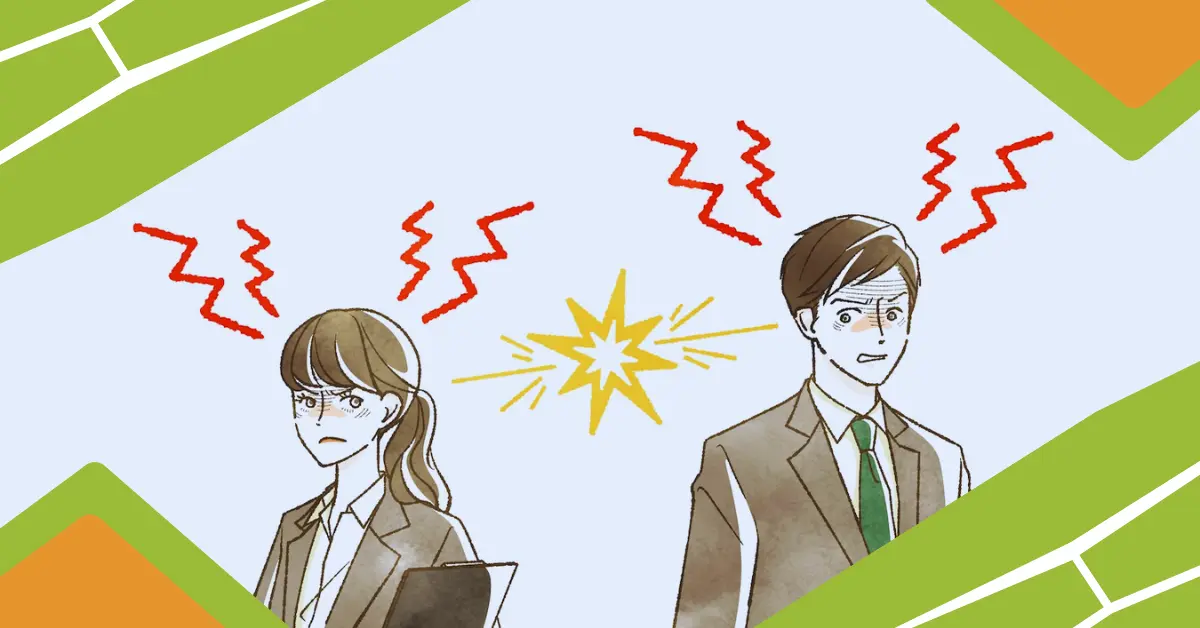
In Japan, maintaining harmony in relationships is considered more important than winning an argument or asserting personal opinions. Avoiding conflict at all costs is a cultural principle that shapes social interactions, workplace behavior, and personal relationships. This approach, deeply rooted in history and tradition, emphasizes empathy, subtlety, and respect for others’ feelings.
For many Japanese people, preserving harmony, known as wa, is more valuable than confrontation. Understanding this cultural mindset provides insight into how individuals navigate social dynamics and why indirect communication is often preferred over direct confrontation.
The Cultural Roots of Avoiding Conflict
The practice of avoiding conflict is influenced by centuries of social and philosophical thought. Japanese culture values group cohesion, modesty, and mutual respect. In Confucian tradition, hierarchical relationships and duty to the group are emphasized, making open conflict socially undesirable.
From a young age, Japanese people are taught the importance of restraint, patience, and empathy. Expressing anger or disagreement directly can be perceived as selfish or disruptive. By avoiding conflict, individuals demonstrate consideration for the feelings of others and contribute to social stability.
Communication Styles and Indirectness
In Japanese culture, indirect communication is a key strategy for avoiding conflict. People often express disagreement or criticism subtly, using nonverbal cues, tone of voice, or carefully chosen words. This approach allows messages to be conveyed without creating tension.
For example, instead of saying “I disagree,” one might say, “That’s an interesting perspective,” or offer suggestions indirectly. This preserves relationships while allowing discussions to continue constructively.
Conflict Avoidance in the Workplace
Avoiding conflict is particularly important in Japanese workplaces. Team harmony, collaboration, and respect for hierarchy are prioritized over individual expression. Employees often refrain from openly criticizing managers or colleagues, instead using group discussions or consensus-building to resolve disagreements.
This practice fosters a cooperative environment, reduces tension, and ensures that decisions are made collectively. However, it also requires patience and careful observation to interpret unspoken concerns and ensure that issues are addressed without disrupting harmony.
Personal Relationships and Conflict
In personal relationships, avoiding conflict helps maintain emotional balance and mutual respect. Japanese people often prioritize compromise, patience, and listening over insisting on their own viewpoint.
This approach strengthens long-term relationships by preventing resentment and allowing both parties to feel valued. Even in family or friendship dynamics, harmony and emotional balance often take precedence over immediate resolution.
Benefits and Challenges
Avoiding conflict offers several benefits. It promotes social cohesion, reduces stress, and fosters a supportive environment. People learn empathy, patience, and effective nonverbal communication skills.
However, there are challenges. Avoiding conflict at all costs can sometimes lead to suppressed emotions, unresolved issues, or indirect frustration. Individuals must balance harmony with the need to express themselves appropriately, finding subtle ways to address problems without creating tension.
Modern Perspectives and Global Influence
In modern Japan, avoiding conflict remains a cultural cornerstone, but globalization and cross-cultural interactions are introducing new perspectives. Younger generations are increasingly blending traditional harmony-focused approaches with direct communication methods, especially in international workplaces.
Understanding this balance is key for foreigners interacting with Japanese colleagues, friends, or business partners. Recognizing subtle cues and respecting the importance of harmony helps build trust and successful relationships.
Conclusion: Harmony as a Guiding Principle
Avoiding conflict at all costs is more than a social habit in Japan—it is a reflection of cultural values that prioritize harmony, respect, and empathy. By understanding and practicing this principle, individuals can navigate social and professional situations with sensitivity and care.
This cultural emphasis demonstrates that maintaining peace and mutual respect often takes precedence over asserting personal opinions. In Japan, the quiet art of conflict avoidance is not avoidance of reality, but a commitment to preserving meaningful relationships and shared harmony.