A Day in the Life of a Tokyo Office Worker: Inside Japan’s Fast-Paced Corporate World
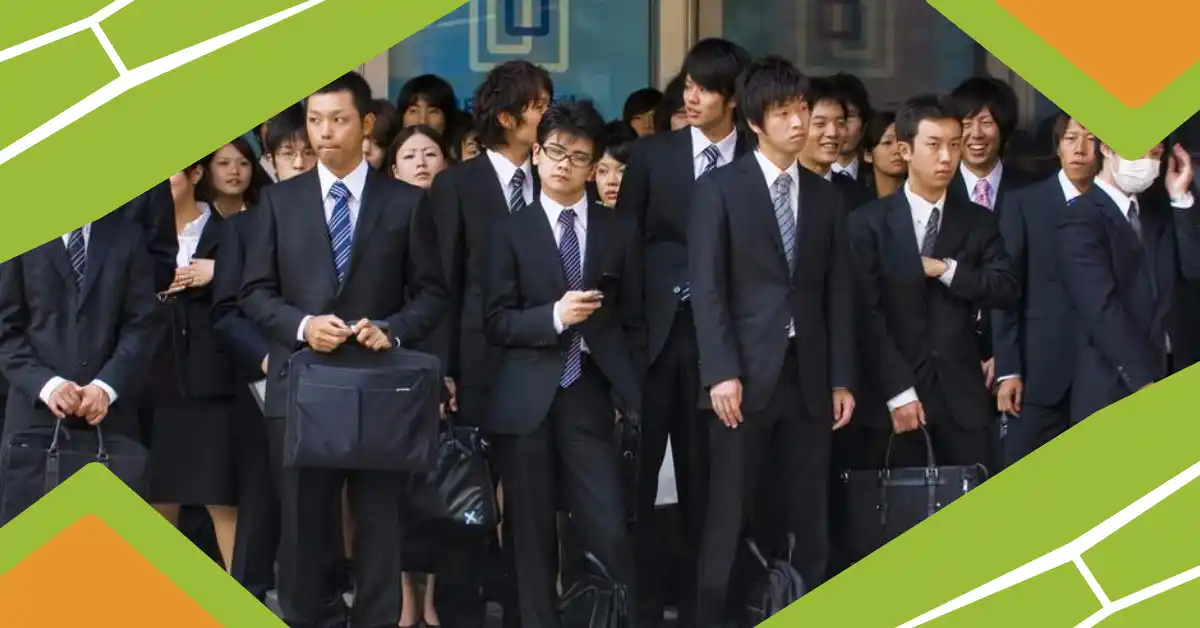
A Tokyo office worker begins their day long before the city fully wakes up, stepping into one of the most efficient yet demanding corporate environments in the world. Japan’s capital is known for its towering skyscrapers, punctual trains, and deeply rooted business etiquette, and behind it all lies a structured work culture that shapes millions of professionals. From early morning commutes packed into trains to late-night office lights still glowing in business districts like Shinjuku and Marunouchi, life in Tokyo’s corporate world is a blend of discipline, hierarchy, and relentless productivity. Understanding this daily rhythm offers a fascinating glimpse into Japan’s modern economy and the people who keep it moving.
Early Morning Routine in Tokyo’s Corporate Culture
The day for most office professionals in Tokyo starts early, often around 5:30 or 6:00 AM. Even though work may not begin until 9:00 AM, commuting in Tokyo requires careful timing due to the sheer scale of its population. Trains operated by companies like JR East are famously punctual, and missing a train can disrupt an entire morning schedule.
Breakfast is typically light and efficient. Many professionals grab convenience store meals from chains like 7-Eleven or quick coffee from vending machines and station kiosks. The emphasis is on speed and practicality rather than indulgence. For many, mornings are also a time for mental preparation reviewing schedules, checking emails, or mentally rehearsing presentations during the commute.
The commute itself is a defining feature of life in Tokyo. Train cars are often packed during peak hours, yet silence is maintained out of respect for others. It is common to see passengers reading, sleeping upright, or scrolling through their phones quietly. This disciplined behavior reflects a broader cultural expectation of harmony and consideration in public spaces.
Once in the office district, the transition from commuter to professional is almost ritualistic. Workers straighten their attire, step into polished lobbies, and prepare to begin a highly structured day.
Workday Inside a Japanese Office Environment
Inside the workplace, hierarchy and order play a central role in shaping daily routines. A Tokyo office worker operates within a system that values seniority, group consensus, and meticulous attention to detail. Offices often follow a traditional layout with open seating areas that encourage team awareness, even if it limits privacy.
The morning usually begins with brief team meetings where supervisors outline tasks and expectations. These sessions are not just informational but also symbolic, reinforcing unity and shared responsibility. Employees often bow slightly when greeting colleagues or entering meeting rooms, reflecting long-standing business etiquette norms.
Communication in Japanese offices tends to be indirect and highly polite. Decisions are rarely made spontaneously; instead, they go through layers of consultation and approval. This process can seem slow from an outside perspective, but it ensures harmony and reduces conflict within teams.
Throughout the day, employees balance focused individual work with collaborative discussions. Reports, presentations, and documentation are central tasks, often requiring high levels of precision. Many offices still value handwritten notes or printed documents alongside digital tools, emphasizing thoroughness over speed.
Lunch breaks provide a short but important pause. Some workers eat bento boxes at their desks, while others step outside to nearby restaurants or convenience stores. These breaks are usually brief, as efficiency remains a priority.
Despite the structured environment, modern Tokyo workplaces are gradually evolving. Younger generations are pushing for more flexibility, remote work options, and improved work-life balance. However, traditional expectations still influence the rhythm of the day, especially in large corporations and established industries.
After Work Culture and Social Expectations
As the workday officially ends, the office does not always immediately empty. Many employees stay later than required, a practice influenced by both workload and workplace culture. Leaving too early can sometimes be perceived as lacking dedication, even if productivity goals have been met.
Evening social gatherings, known as nomikai, are a significant aspect of corporate life. These informal drinking sessions allow colleagues to relax and strengthen workplace relationships outside the formal office environment. Participation is often encouraged, though not always mandatory, and they play a key role in building trust within teams.
However, not all workers attend these gatherings, especially as attitudes shift among younger professionals. Increasing awareness of mental health and personal time has led some employees to prioritize rest or family time instead.
Commuting home in the evening presents a different atmosphere compared to the morning rush. Train stations remain busy, but there is a noticeable sense of exhaustion among passengers. Many use this time to unwind, watch videos, or simply rest after a demanding day.
Balancing professional expectations with personal life remains one of the biggest challenges in Japan’s corporate environment. While reforms are gradually improving work conditions, the traditional culture of dedication and long hours still influences many workplaces.
The Reality Behind Tokyo’s Corporate Efficiency
Life in Tokyo’s business world is often admired for its organization and productivity, but it also comes with significant pressure. Long working hours, strict expectations, and limited downtime can create stress for employees. At the same time, this structure contributes to Japan’s reputation for reliability and precision in global business.
Technology, cultural shifts, and changing workforce expectations are slowly reshaping the modern office experience. More companies are adopting flexible schedules, remote work systems, and employee wellness programs. Yet, the essence of discipline and respect remains deeply embedded in the corporate identity.
The experience of a Tokyo office worker is therefore a blend of tradition and transformation. It reflects a society that values both collective responsibility and gradual innovation, balancing the demands of modern business with long-standing cultural principles.
Conclusion
Understanding the daily life of office professionals in Tokyo reveals much more than just a work schedule; it reflects a cultural system built on efficiency, respect, and endurance. From early morning commutes to late-night office lights, every part of the day is structured yet evolving. While challenges such as long hours and workplace pressure remain, Japan’s corporate world continues to adapt to modern expectations. Ultimately, the life of a Tokyo office worker symbolizes both the strengths and complexities of one of the world’s most influential business environments.