How Japanese Homes Inspire Calm and Focus
How Japanese Homes Inspire Calm and Focus
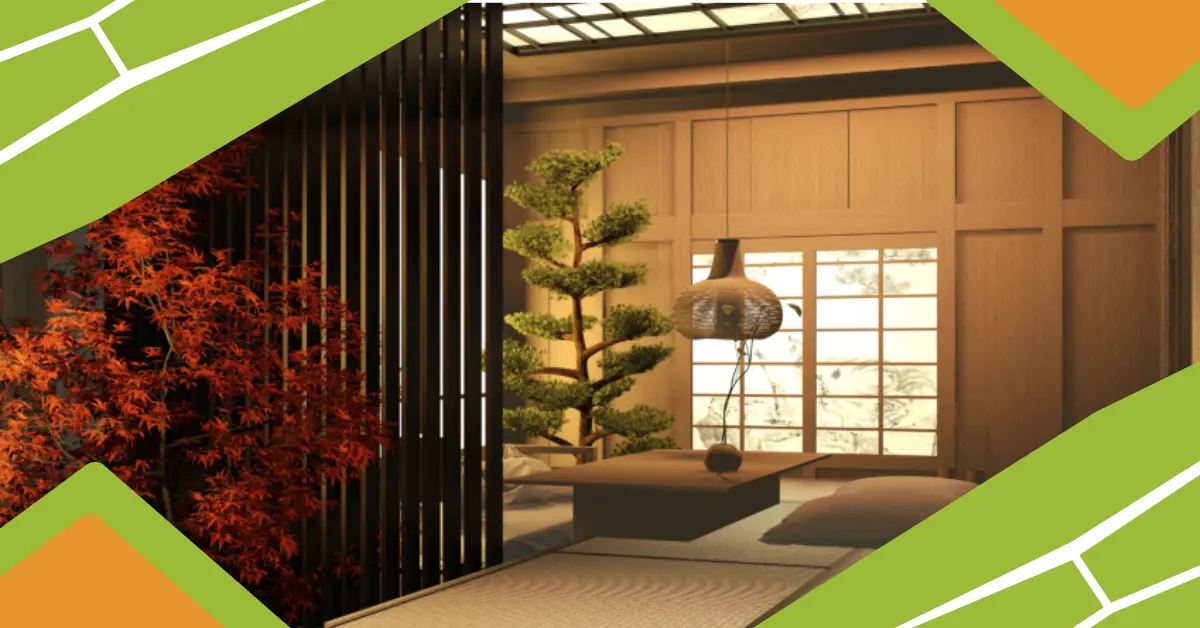
Japanese interiors are celebrated worldwide for their simplicity, elegance, and serene atmosphere. Beyond aesthetics, they are designed to encourage calmness, mindfulness, and balance in everyday life. Every element, from furniture arrangement to material selection, reflects a philosophy that prioritizes tranquility, harmony, and a connection with nature.
Unlike overly decorated or cluttered spaces, Japanese interiors create a sense of spaciousness, even in small homes. The goal is not only to provide shelter but also to cultivate a peaceful environment that nurtures the mind and soul.
Minimalism: Less Is More
One of the key principles in Japanese interior design is minimalism. Spaces are carefully curated to include only what is necessary. This decluttered approach reduces mental noise, allowing residents to focus on the present moment.
Minimalist interiors often feature low furniture, clean lines, and open spaces. By eliminating unnecessary items, the design fosters a sense of order and calm. This principle aligns with traditional Japanese values of simplicity and restraint, showing that serenity often comes from reducing excess.
Natural Materials and Textures
Japanese interiors heavily incorporate natural materials such as wood, bamboo, paper, and stone. These materials bring warmth, texture, and a tactile connection to nature. For example, tatami mats provide a soft, earthy surface that encourages sitting, resting, or meditation.
Wooden beams, sliding shoji screens, and natural fiber furnishings add visual harmony while maintaining a subtle aesthetic. The presence of natural materials not only enhances beauty but also creates a calming sensory experience, connecting residents to the outdoors even while indoors.
Integration with Nature
Another hallmark of Japanese interiors is the seamless integration with nature. Large windows, sliding doors, and open courtyards allow natural light and fresh air to enter the home. Gardens or small outdoor spaces are designed to be visible from living areas, creating a constant reminder of the changing seasons.
This connection to nature encourages mindfulness and reflection. By observing the subtle shifts in light, color, and texture, residents experience a sense of continuity and tranquility that enhances emotional well-being.
Neutral Colors and Soft Lighting
Japanese interiors rely on neutral colors and soft lighting to create a calm ambiance. Shades of beige, cream, muted greens, and browns dominate walls, floors, and furniture. This restrained color palette prevents visual overstimulation and promotes relaxation.
Lighting is also carefully considered. Natural sunlight is maximized during the day, while paper lanterns, soft LED lights, or candles provide gentle illumination in the evening. The result is a soothing environment that supports quiet reflection and restful living.
Functional Design and Harmony
Japanese interiors focus on functional design, ensuring that each item has a purpose and a place. Built-in storage, multipurpose furniture, and sliding doors help maintain order and reduce clutter.
This functionality reinforces harmony within the space. By organizing possessions efficiently and maintaining clean surfaces, residents experience less stress and greater mental clarity. The interior becomes not only a living area but also a sanctuary for calm, focus, and creativity.
Mindful Spaces and Rituals
In many Japanese homes, interiors are designed to support mindfulness and daily rituals. A simple tea corner, a meditation area, or a quiet reading nook encourages slowing down and appreciating small moments.
Even everyday tasks, such as preparing meals or arranging flowers, are conducted in spaces designed to enhance focus and calmness. By thoughtfully arranging the home environment, Japanese interiors foster a lifestyle centered on presence, intention, and serenity.
Conclusion: Calmness Through Design
Japanese interiors are more than beautiful spaces—they are thoughtfully crafted environments that encourage calmness, mindfulness, and harmony. Through minimalism, natural materials, integration with nature, neutral colors, and functional design, these interiors create a sanctuary for both body and mind.
Living in a space designed with these principles can reduce stress, enhance clarity, and promote a sense of peace. In today’s fast-paced world, Japanese interiors offer a timeless lesson: true calmness comes not from isolation or luxury, but from thoughtful, intentional design that nurtures the human spirit.