The Role of Fan Communities in Shaping Anime Trends and Industry Decisions
Anime has grown from a niche interest to a global entertainment phenomenon. Behind its popularity are passionate fan communities that do more than watch and discuss. They actively shape trends and influence industry decisions. Through social media discussions, fan art, and conventions, these communities have become a critical force in determining which anime succeed and how content is created.
Online Communities and Social Media
Fan communities thrive online through platforms such as Twitter, Reddit, Discord, and TikTok. These spaces allow fans to share theories, reviews, memes, and fan art, creating buzz around series both old and new. Trending hashtags and viral content can significantly impact an anime’s visibility and popularity.
Studios and streaming platforms monitor these discussions to gauge audience interest. High engagement can lead to spin-offs, sequels, or additional merchandise. Fans act as both marketers and trendsetters for the industry.
Conventions and In-Person Communities
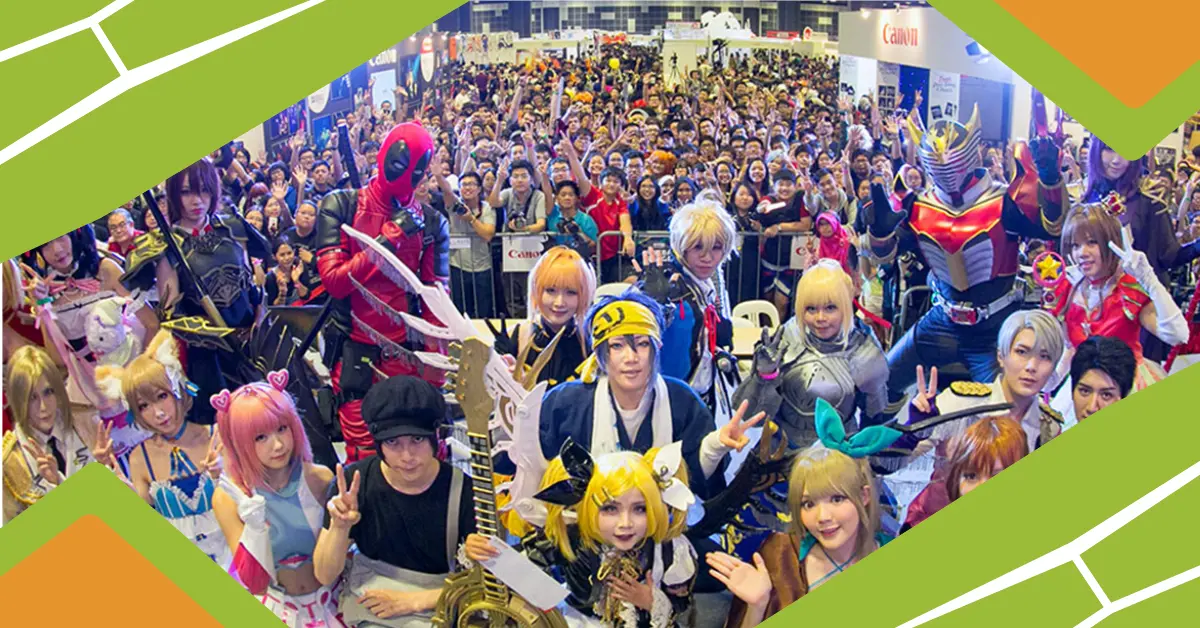
Anime conventions and fan gatherings also play a major role. Events like Comiket and Anime Expo allow fans to interact directly with creators and industry representatives. Sales data, fan reactions, and feedback collected at these events often inform production, distribution, and merchandising decisions.
Conventions foster a sense of community and reinforce loyalty to specific franchises. This collective enthusiasm can create cultural phenomena that extend beyond Japan and influence international licensing and streaming strategies.
Fan Feedback and Industry Adaptation
Studios increasingly recognize the power of fan feedback. Polls, surveys, and social media interactions provide insights into audience preferences. Vocal fan demand has led to the continuation of anime series, new character arcs, or the adaptation of popular manga into anime.
Fan-driven campaigns can also bring attention to underperforming series. Studios sometimes adjust marketing strategies or production plans based on the intensity of fan support. This two-way relationship shows how the anime industry listens to and learns from its audience.
Merchandising and Economic Influence
Fan communities heavily influence merchandising trends. Popularity on social media and at conventions directly affects sales of figures, clothing, and collectibles. Limited edition items, crowdfunding campaigns, and collaborations are often designed to match the preferences expressed within these communities.
By shaping consumer behavior, fan communities contribute to the financial success of anime projects. Studios consider this economic impact when planning new series or expanding existing ones.
Globalization of Anime Fandom
Fan communities have also played a key role in globalizing anime. Online fan translations, streaming platforms, and social media groups have introduced series to audiences worldwide. The industry now considers international fan demand when making production and distribution decisions, including dubbing, streaming releases, and licensing deals.
This global engagement has reshaped anime as a cultural export. Fan influence is no longer limited to Japan but extends to a worldwide audience.
Conclusion: Fans as Stakeholders
Anime fans are more than passive viewers. They are active stakeholders in the industry. Through online communities, conventions, feedback, and economic influence, fans shape trends, guide production decisions, and expand the global reach of anime.
Understanding the power of fan communities highlights a shift in entertainment. Audiences are now co-creators, influencers, and decision-makers in the content they love. In the world of anime, the voice of the fan truly matters.