Food Presentation as Respect: The Art of Dining in Japanese Culture
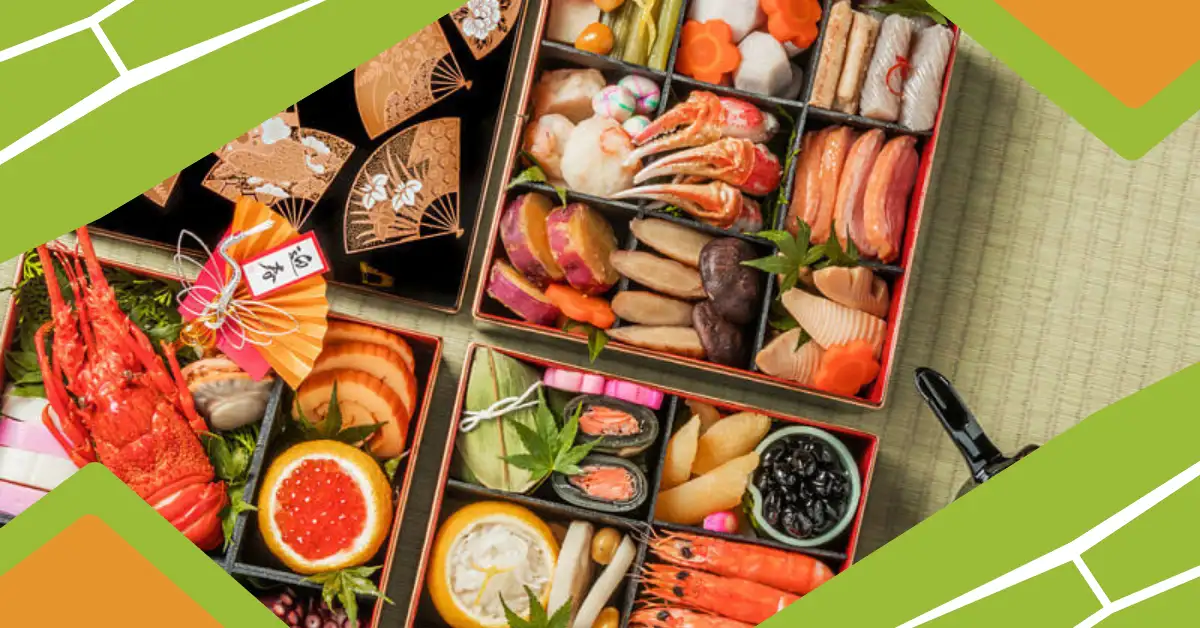
In Japanese culture, food is far more than nourishment. It is a form of communication, gratitude, and respect expressed through color and harmony. Every meal tells a story about the person who prepared it and the values that shape Japanese life. Presenting food beautifully is not about luxury; it is an act of mindfulness that honors both the ingredients and those who will eat them.
The Meaning Behind Presentation
In Japan, how food looks is just as important as how it tastes. The arrangement, choice of dishes, and balance of color show deep respect for nature and for the people who are being served. Beauty pleases the spirit and makes food more enjoyable. A meal prepared with care reflects humility, effort, and love.
Even a simple bowl of miso soup can reflect this spirit. The clear broth, neatly placed vegetables, and carefully chosen bowl all reveal attentiveness. Whether served in a family home or a kaiseki restaurant, the way food is presented expresses gratitude for the ingredients and respect for the dining experience.
Harmony and Seasonal Awareness
A key element of Japanese cooking is shun, which means enjoying ingredients at their seasonal peak. Food presentation often celebrates this idea by showing seasonal colors, patterns, and textures. In spring, plates might include cherry blossom petals. In autumn, foods are arranged with warm colors that evoke fallen leaves. This seasonal connection shows the Japanese principle of living in harmony with nature.
Even the choice of dishes changes with the seasons. Cool porcelain is used in summer to create a sense of freshness, while in winter earthy ceramics add warmth to the table. These subtle choices show thoughtfulness and respect for the environment. Presentation becomes a quiet conversation between the diner and the natural world.
The Role of Balance and Symmetry
A beautifully arranged Japanese meal always seeks balance in both taste and appearance. Traditional Japanese cuisine, known as washoku, follows guiding principles that emphasize variety and harmony. Meals often include five colors (red, yellow, green, white, and black), five tastes (sweet, sour, salty, bitter, and umami), and five cooking methods (raw, simmered, grilled, steamed, and fried).
This approach ensures that each meal is balanced and complete. A carefully arranged plate engages all the senses and invites the diner to slow down. In this way, eating becomes an experience to enjoy rather than a task to finish. The artistry of presentation turns every meal into an act of hospitality, or omotenashi.
The Emotional Layer of Respect
At the heart of Japanese dining is respect for the ingredients, the chef, and the guests. Serving food with care is a way of showing that the person eating it is valued. In many families, parents decorate children’s lunch boxes, called bento, with creative shapes and colorful patterns. These details express affection and pride.
In traditional restaurants, chefs often bow slightly when presenting a dish. This small gesture, together with the beauty of the plate, shows gratitude toward the guest and invites appreciation for the effort behind the meal.
A Lesson for the Modern World
In today’s fast-paced world, people often eat quickly or without focus. Japan’s approach to food presentation reminds us that mindfulness begins with small acts. Taking time to prepare and present food thoughtfully encourages gratitude and awareness. It also builds deeper respect for the people who grow, cook, and share our meals.
Through simple acts of care and attention, Japanese food culture shows that beauty and kindness belong in everyday life. The art of presentation is more than visual elegance; it is a quiet reflection of how much people value one another.