The Reason Homes Are Built to Adapt to Seasons
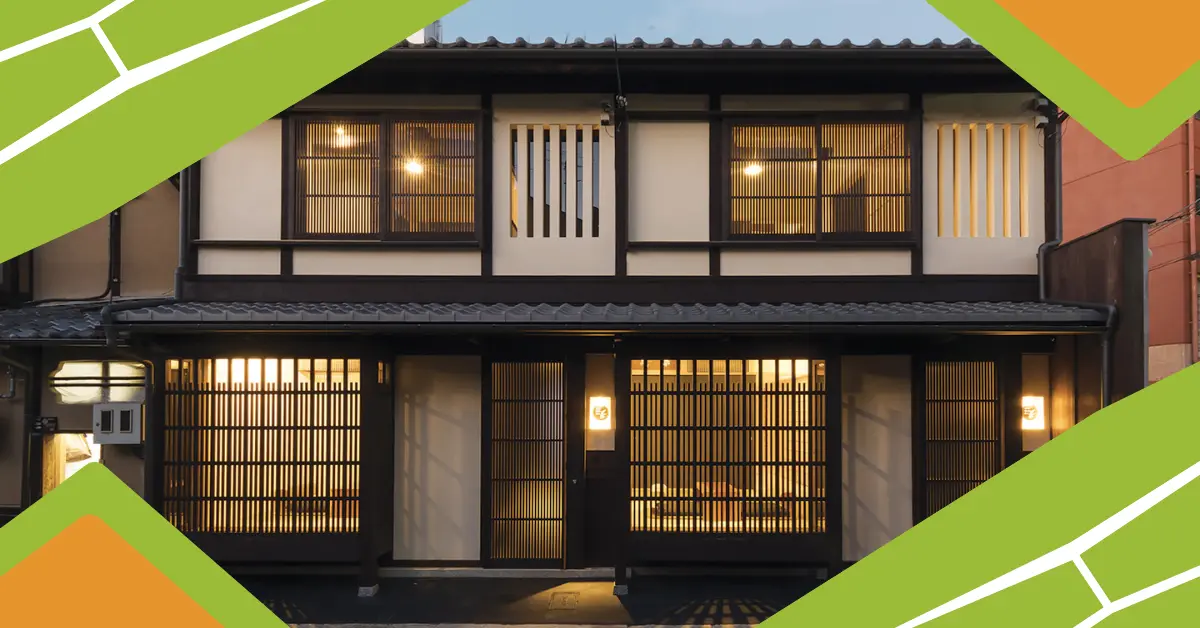
In many parts of the world, homes are built to block nature out. Thick walls, sealed windows, and constant indoor temperatures aim to create one stable environment year round. In contrast, many homes are designed to respond to the seasons rather than resist them. Seasonal change is not treated as a problem to solve, but as a rhythm to live with.
This approach has shaped architecture, interior design, and daily habits for generations, creating homes that feel different in summer, winter, spring, and autumn.
Living With Climate, Not Against It
Seasonal design begins with climate awareness. Hot, humid summers and cold winters require very different solutions. Instead of relying entirely on technology, homes are structured to adapt naturally.
Sliding panels, adjustable partitions, and flexible layouts allow rooms to open up or close off depending on the time of year. In warmer months, spaces become airy and breathable. In colder months, they become compact and insulated.
The home shifts along with the weather.
Seasonal Materials and Their Purpose
Materials play a major role in seasonal living. Natural elements like wood, paper, and straw are commonly used because they respond well to temperature and humidity changes.
In summer, breathable materials help reduce heat and moisture. In winter, layered textures and insulated surfaces help retain warmth. Floor coverings, bedding, and even wall decor are often changed seasonally to match comfort needs.
These choices are practical, not decorative. Each material has a purpose tied to the season.
Flexible Interiors and Movable Spaces
Homes designed for seasons often feature interiors that can be rearranged easily. Furniture is minimal and portable. Rooms are not assigned rigid functions. A space used for sleeping in winter may become a sitting area in summer.
This flexibility allows residents to adapt their environment instead of being locked into one layout. The home becomes a living system rather than a fixed structure.
Seasonal living encourages awareness of space and movement within it.
The Role of Nature in Daily Life
Seasonal home design maintains a close relationship with the outdoors. Gardens, balconies, and open corridors create a constant visual and physical connection to nature.
Natural light, wind, rain, and temperature changes are felt rather than completely blocked. This keeps residents aware of seasonal transitions and reinforces a sense of time passing.
The home becomes a bridge between human life and the natural world.
Comfort Defined Differently
Comfort is not defined as sameness throughout the year. Instead, comfort comes from alignment with the season. Summer comfort means airflow and shade. Winter comfort means warmth and enclosure.
Rather than forcing one ideal temperature, residents adjust clothing, routines, and space usage. This creates resilience and reduces dependence on constant climate control.
Comfort becomes active, not passive.
Cultural Values Behind Seasonal Design
Seasonal homes reflect deeper values of adaptation, respect for nature, and acceptance of change. Life is viewed as cyclical rather than static. The home supports this mindset by changing alongside the environment.
This approach encourages mindfulness and appreciation of each season’s unique qualities instead of rushing through them.
Conclusion: Homes That Teach Awareness
Homes designed for seasons do more than provide shelter. They shape how people experience time, weather, and daily life. By adapting to natural rhythms, these homes encourage balance, flexibility, and awareness.
In a world increasingly disconnected from seasonal change, this design philosophy offers a reminder that living well sometimes means adjusting, not resisting.