Rethinking the Meaning of an Apology
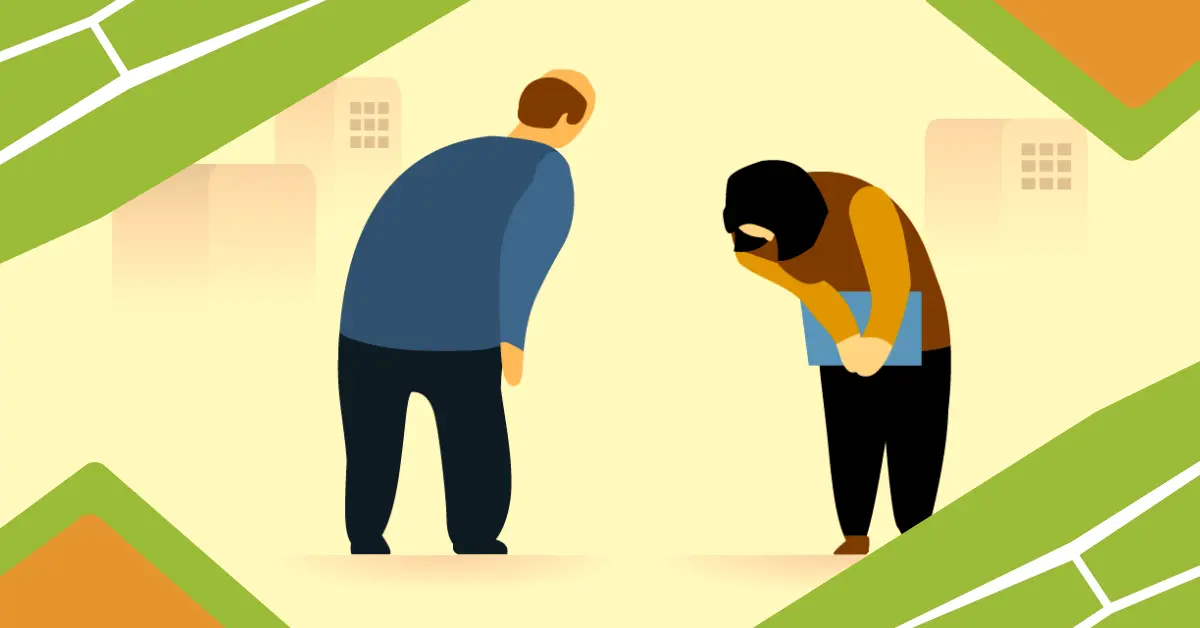
Many people grow up believing that an apology is an admission of guilt. Saying sorry feels like surrender, as if you are accepting blame even when you did nothing wrong. This belief turns apologies into battles of pride and defensiveness. Yet there is another way to understand apologizing, one that has nothing to do with fault.
Apologizing without being wrong is a social skill. It is not about self blame or submission. It is about valuing peace, understanding, and connection over the need to win.
What an Apology Really Communicates
An apology does not always mean “I was wrong.” Often, it means “I acknowledge your experience.” You can recognize that someone feels hurt, frustrated, or uncomfortable without agreeing that you caused it intentionally or unfairly.
This type of apology focuses on impact rather than intent. You may have acted reasonably, but the outcome still affected another person. Acknowledging that impact helps defuse tension and opens the door to resolution.
Saying sorry in this way is an act of emotional awareness, not guilt.
The Difference Between Responsibility and Empathy
Responsibility is about actions and consequences. Empathy is about understanding emotions. Apologizing without being wrong belongs to empathy.
You are not taking responsibility for something that was not your fault. You are simply recognizing that emotions exist on the other side. This distinction is important because it allows communication to continue without forcing one person to lose.
Empathy based apologies sound like care rather than confession.
Why People Resist These Apologies
Many resist apologizing because they fear it sets a precedent. They worry it makes them look weak or invites blame in the future. Others have experienced apologies being used against them, turning kindness into leverage.
This fear is understandable. However, refusing to apologize at all often escalates conflict. Silence or defensiveness sends the message that the relationship matters less than being right.
Choosing empathy over pride can actually strengthen boundaries when done clearly.
When and How to Apologize Without Self Blame
Timing and wording matter. An effective apology without fault focuses on feelings, not accusations. It avoids statements that suggest wrongdoing and instead centers on care.
Examples include acknowledging discomfort, regret over misunderstanding, or sadness that someone felt hurt. These expressions show concern without rewriting the facts.
Clarity is essential. You can be compassionate without accepting blame that does not belong to you.
The Role of Apologies in Healthy Relationships
In close relationships, misunderstandings are inevitable. Waiting for clear guilt before offering an apology can turn small issues into lasting resentments. Apologizing early can stop emotional distance from forming.
This does not mean sacrificing truth. It means recognizing that relationships are not legal trials. They are ongoing exchanges of trust and care.
Apologies can act as bridges rather than verdicts.
Apologies as Strength, Not Submission
Apologizing without being wrong requires emotional maturity. It asks you to regulate ego, tolerate discomfort, and prioritize long term harmony. That is not weakness. It is confidence.
People who can apologize without fear tend to navigate conflict more smoothly. They understand that being respected does not require constant defense.
True strength lies in choosing connection when defensiveness would be easier.
Conclusion: Choosing Peace Over Proof
Being right does not always bring peace. Apologizing without being wrong is a reminder that relationships are built on understanding, not scorekeeping.
A sincere apology can say, “I see you,” without saying, “I failed.” In a world full of conflict, that small shift can make a powerful difference.