Hidden Rules of Japanese Society That Still Shape Daily Life in 2026
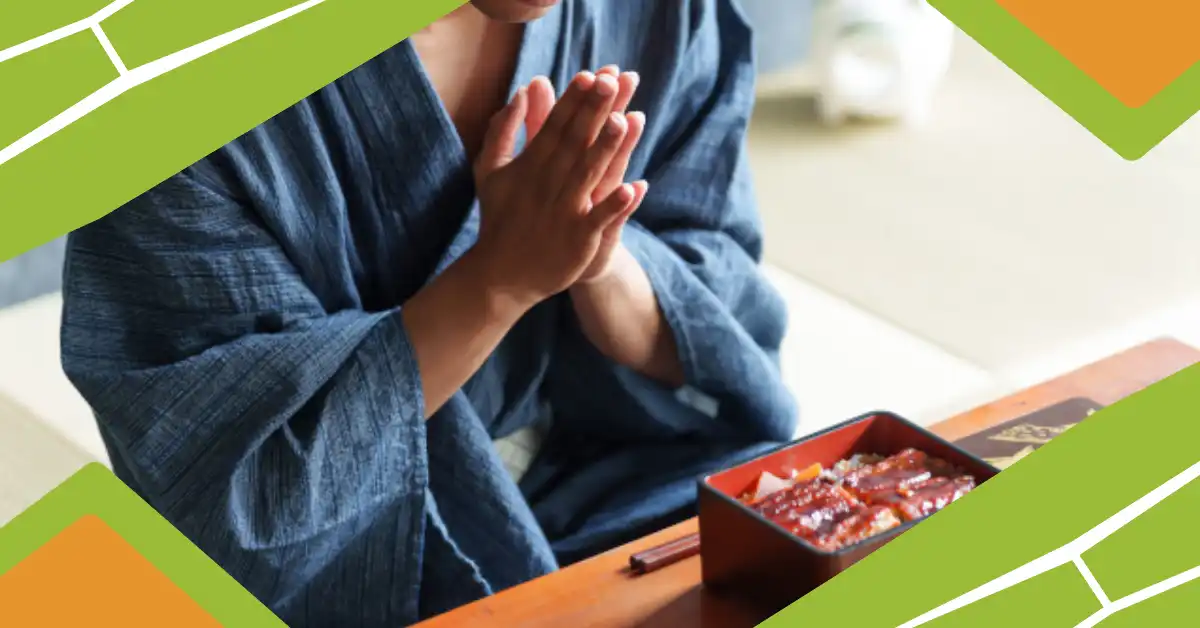
Japan is often described as a highly modern, tech-forward country but beneath the surface of bullet trains, AI-driven convenience stores, and cashless payments lies a quieter framework of social expectations. These unwritten “hidden rules” continue to shape daily behavior in 2026, influencing how people speak, work, travel, and even disagree.
While Japan has evolved rapidly in recent years, especially with globalization and digital transformation, many of its cultural foundations remain deeply intact. Understanding these invisible norms is essential not only for visitors but also for anyone studying Japanese business culture, communication styles, or social dynamics.
The Unspoken Social Contract: Wa and the Priority of Harmony
One of the most powerful underlying principles in Japanese society is the concept of “wa” (和), meaning harmony. It is not a formal law, but it functions like a social operating system that influences decisions in workplaces, schools, and public life.
Even in 2026, this emphasis on harmony still shapes behavior in subtle but powerful ways. Direct confrontation is often avoided, not because disagreement is absent, but because maintaining group stability is seen as more valuable than winning an argument.
In everyday life, this can be seen in how people communicate. Instead of saying “no” directly, expressions are softened or made indirect. Silence itself can carry meaning. In professional environments, employees often spend more time aligning opinions before meetings than debating during them.
This hidden rule also extends to public behavior. Trains, for example, remain famously quiet despite being crowded. Talking loudly on the phone in public spaces is still widely frowned upon. Even though younger generations are more globally connected, the expectation of “not disturbing others” remains strong.
What makes this rule particularly influential is that it is rarely taught explicitly. Instead, it is absorbed through observation and social correction. Children learn it in school group activities, and workers refine it through corporate life.
Hierarchy Still Matters: Senpai, Kouhai, and Social Positioning
Another deeply embedded structure in Japanese society is the senpai-kouhai system, a hierarchy-based relationship between senior and junior members in schools, companies, and clubs.
Although modern workplaces in Japan have become more flexible, hierarchy still plays a strong role in shaping interactions. Respect for age, experience, and tenure continues to guide how people speak and behave toward each other.
In many companies, junior employees are still expected to observe more than they speak during early meetings. Decision-making often flows through layers of approval rather than being fully flat or decentralized. Even casual conversations may reflect this structure, with language shifting depending on who is being addressed.
However, in 2026, this system is evolving rather than disappearing. Startups and global firms operating in Japan are introducing more open communication styles. Yet even in these environments, subtle markers of hierarchy remain such as seating arrangements, email phrasing, and who speaks first in meetings.
What makes this system “hidden” is that it is rarely enforced formally. Instead, it is embedded in etiquette and language. Japanese honorifics and speech levels reinforce the structure without needing explicit rules.
At the same time, younger generations are negotiating a balance between tradition and flexibility. While they may question rigid hierarchy, they still often respect it in professional settings, especially in established industries like finance, manufacturing, and government-related sectors.
Group Identity Over Individual Expression
One of the most persistent cultural dynamics in Japan is the prioritization of group identity over individual expression. This does not mean individuality is absent, but it is often expressed within carefully understood boundaries.
In daily life, this appears in school uniforms, workplace dress codes, and social expectations about behavior. Even in casual environments, people tend to align with group norms rather than stand out aggressively.
For example, fashion in urban centers like Tokyo may appear highly expressive, but it often follows subcultural group aesthetics rather than purely individual experimentation. Belonging to a “style group” is itself a form of identity.
In workplaces, employees frequently make decisions based on how it affects the group rather than personal preference. This is why consensus-building is so important. Even when digital tools and remote work have increased flexibility in 2026, the expectation to maintain group alignment remains strong.
A key hidden rule here is the idea that standing out too much can create social friction. While innovation is encouraged, it is often expected to be introduced in a way that does not disrupt group harmony.
This does not mean conformity in a negative sense. Instead, it reflects a deeply ingrained belief that stability and predictability support long-term success.
Communication Through Subtlety: Reading the Air (Kuuki wo Yomu)
Perhaps one of the most distinctive hidden rules in Japanese society is the concept of “kuuki wo yomu” (空気を読む), which translates to “reading the air.” This refers to the ability to understand unspoken context in a situation and adjust behavior accordingly.
In 2026, this skill remains highly relevant, even in digital communication. In fact, messaging apps and workplace chat tools have not eliminated the need for contextual awareness they have simply shifted how it is expressed.
For instance, a message that is technically clear may still be considered inappropriate if it ignores group sentiment or timing. Knowing when not to speak is often just as important as knowing what to say.
This subtle communication style influences everything from business negotiations to friendships. In meetings, people often rely on indirect cues such as tone, hesitation, or phrasing to understand true intent.
There are also layered levels of politeness in language that signal relationships more precisely than words alone. This linguistic complexity reinforces the importance of social awareness.
Foreigners often find this aspect of Japanese society challenging at first because it requires interpreting what is not said. However, once understood, it reveals a highly sophisticated communication system built on empathy and observation.
Modern Japan in 2026: Tradition and Change Coexisting
Despite rapid modernization, Japan in 2026 continues to balance tradition with innovation. Cashless payments, AI-driven services, and remote work systems are now widespread, yet they operate within a cultural framework shaped by long-standing social expectations.
What makes these hidden rules so powerful is that they are not enforced through law, but through shared understanding. They guide behavior without needing constant explanation.
Even younger generations who are more globally influenced still navigate these norms in daily life. Many choose when to follow them strictly and when to adapt them, creating a hybrid cultural identity that blends old and new.
This balance is especially visible in cities like Tokyo, where futuristic infrastructure exists alongside deeply traditional social etiquette. The result is a society that feels both highly advanced and culturally continuous.
Conclusion: Why These Hidden Rules Still Matter
Understanding Japan’s hidden social rules is essential for anyone trying to grasp how the country truly functions beneath its modern surface. These norms influence communication, workplace dynamics, and even personal identity.
In 2026, they remain relevant not because they resist change, but because they evolve slowly and adaptively. Rather than disappearing, they integrate into new technologies and lifestyles.
For outsiders, recognizing these invisible structures provides deeper insight into why Japanese society operates the way it does. For residents, they continue to serve as an unspoken guide to maintaining harmony, respect, and social balance in everyday life.