Japan Youth Trends: Why Fashion, Culture & Fads Change So Fast – Key Reasons
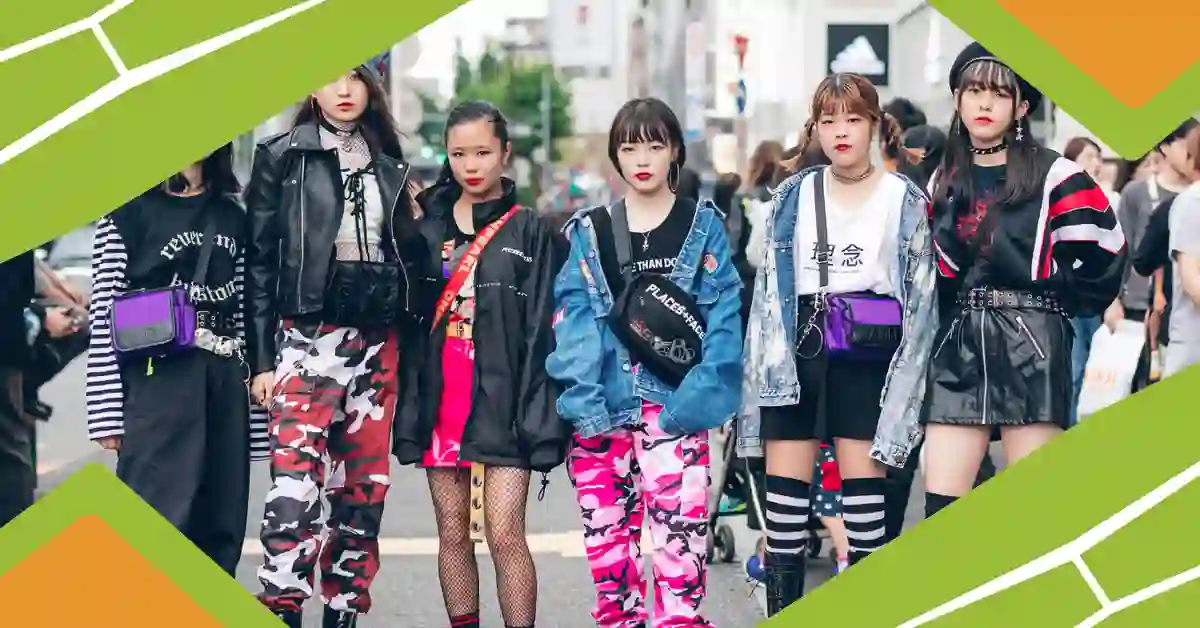
Japan youth trends are shaping global fashion conversations at an unprecedented speed, redefining how style, entertainment, and identity evolve in modern society.
Japan has long been seen as a cultural trend powerhouse, but in recent years the pace of change among young people has accelerated dramatically. From street fashion in Tokyo to viral aesthetics on social media, trends emerge, peak, and disappear faster than ever before. The phenomenon of rapid transformation is not random; it is shaped by technology, urban culture, consumer behavior, and the unique psychology of Japanese youth.
Understanding why these shifts happen provides insight not only into Japan’s fashion ecosystem but also into global youth culture as a whole. Today, Japan youth trends are no longer just local expressions; they influence everything from Western streetwear to global pop culture marketing strategies.
The Power of Social Media and Hyper-Connectivity
One of the biggest drivers behind rapid trend cycles is digital connectivity. Platforms like TikTok, Instagram, YouTube, and X (formerly Twitter) dominate how young people discover and share styles.
In Japan, social media acts as both a discovery engine and an amplifier. A new hairstyle, fashion coordination, or aesthetic concept can go viral within hours. Influencers, often teenagers or young adults, set micro-trends that are quickly replicated by peers.
Unlike traditional fashion cycles that lasted seasons, online platforms compress attention spans. Algorithms prioritize novelty, meaning older content disappears quickly while new aesthetics are constantly rewarded. This creates a culture where staying “current” requires continuous reinvention.
Harajuku and the Legacy of Street Fashion Evolution
Harajuku has historically been the heart of Japan’s youth fashion identity. From Decora and Lolita styles to modern minimalist streetwear, this district has always embodied experimentation.
However, what has changed is the speed of transformation. In earlier decades, subcultures lasted years or even decades. Today, they may peak within months. The rise of fast fashion brands and online resale platforms has made experimentation cheaper and more accessible, allowing youth to shift styles frequently without long-term commitment.
Harajuku still remains symbolic, but it now acts more as a trend incubator than a long-lasting cultural anchor.
Economic Factors and Affordable Experimentation
Japan’s youth culture is also shaped by economic realities. While Japan is a developed economy, younger generations often face limited disposable income due to part-time work lifestyles, rising urban costs, and employment uncertainties.
As a result, fashion becomes highly adaptable and low-risk. Instead of investing heavily in long-term wardrobes, young consumers prefer affordable, mix-and-match pieces. Fast fashion brands and second-hand shops in areas like Shimokitazawa and Harajuku allow frequent wardrobe rotation.
This affordability fuels rapid experimentation. When trying new looks is inexpensive, abandoning them becomes just as easy.
Pop Culture Influence: Anime, Idols, and J-Pop
Pop culture plays a massive role in shaping youth identity. Anime aesthetics, idol group styling, and J-pop visuals all feed directly into everyday fashion choices.
When a popular anime features a distinct color palette or outfit style, it often becomes a real-world trend. Similarly, idol groups influence hairstyles, makeup, and coordinated fashion among fans.
This constant cycle of inspiration ensures that trends are not just seasonal but episodic tied to the release of new shows, music albums, or media content. As entertainment consumption increases, so does the speed of cultural adoption.
Micro-Trends and the Age of Aesthetic Fragmentation
Another defining feature of modern youth culture is fragmentation. Instead of a few dominant styles, there are dozens of micro-aesthetics coexisting at once such as “clean girl,” “Y2K revival,” “techwear,” “soft grunge,” and “normcore.”
In Japan, this fragmentation is especially visible. Youth no longer identify with one fashion tribe but instead switch between multiple aesthetics depending on mood, season, or social setting.
This fluid identity model encourages constant change. Trends are no longer communities; they are temporary expressions.
Urban Hotspots: Shibuya, Harajuku, and Shinjuku
Tokyo’s urban landscape plays a critical role in accelerating cultural shifts. Districts like Shibuya, Harajuku, and Shinjuku function as living trend laboratories.
Shibuya is known for digital youth culture and nightlife-driven fashion. Harajuku remains experimental and visually expressive. Shinjuku blends mainstream commercial trends with subcultural influences.
These areas are highly interconnected, allowing styles to move rapidly from niche communities to mainstream visibility. A look spotted in Harajuku today can appear in Shibuya clubs tomorrow and on national television within weeks.
Globalization and Reverse Cultural Influence
Japan is no longer just consuming global trends, it is actively shaping them. Western brands increasingly borrow from Japanese streetwear aesthetics, while Korean and Chinese fashion scenes also interact with Japanese youth culture.
This exchange creates a feedback loop. A trend may originate in Tokyo, get amplified globally, and then return to Japan in a modified form. This cycle shortens trend lifespans and increases variation.
In this global ecosystem, Japan youth trends have become both exporters and importers of cultural innovation.
Why Trends Die So Fast in Japan
Several psychological and technological factors explain rapid trend turnover:
- Algorithmic acceleration – Social media rewards novelty over repetition
- FOMO culture – Fear of missing out drives constant adoption of new styles
- Identity fluidity – Young people prefer flexible self-expression over fixed identities
- Commercial fast fashion cycles – Brands release new collections weekly or monthly
- Peer influence loops – Small social circles rapidly amplify change
Together, these factors create a cultural environment where trends are intentionally short-lived. What is popular today may already feel outdated tomorrow.
The Role of Technology and Virtual Identity
Digital spaces are increasingly merging with physical identity. Many Japanese youth curate online personas that influence their real-world fashion choices. Virtual avatars, gaming culture, and metaverse-style aesthetics also contribute to evolving style preferences.
Filters, AI-generated fashion inspiration, and virtual influencers further blur the line between reality and digital experimentation. This leads to faster aesthetic turnover, as people feel freer to try new identities online before adopting them offline.
Sustainability Challenges in Fast-Changing Trends
While rapid trend cycles encourage creativity, they also raise concerns about sustainability. Fast fashion consumption leads to increased textile waste and environmental strain.
However, Japan also has a strong second-hand culture. Thrift stores and resale apps help extend the life cycle of clothing. Many young consumers now mix sustainable shopping habits with fast-moving aesthetic experimentation.
The challenge moving forward is balancing creative freedom with environmental responsibility.
Future Outlook of Youth Culture in Japan
Looking ahead, trend cycles are likely to become even faster due to AI-driven personalization and real-time content distribution. Fashion may become more modular, customizable, and digitally influenced.
At the same time, there may be a counter-movement toward slower, more intentional style choices as fatigue from constant change grows.
Even so, the core characteristic of adaptability will remain central. The evolution of Japan youth trends shows no signs of slowing down; it is simply evolving into a more fragmented, technologically driven ecosystem.
Conclusion
The rapid pace of cultural and fashion change among Japanese youth is the result of multiple overlapping forces: digital media, urban environments, economic accessibility, pop culture influence, and global interconnectedness.
Unlike traditional fashion systems that relied on seasonal cycles, Japan’s youth culture thrives on immediacy and experimentation. Trends are not just expressions of style they are reflections of identity in constant motion.
As technology continues to evolve, so too will the speed and complexity of youth-driven cultural change, making Japan one of the most dynamic trend landscapes in the world.