Real Japan vs Internet Japan: Common Myths and Misconceptions Explained
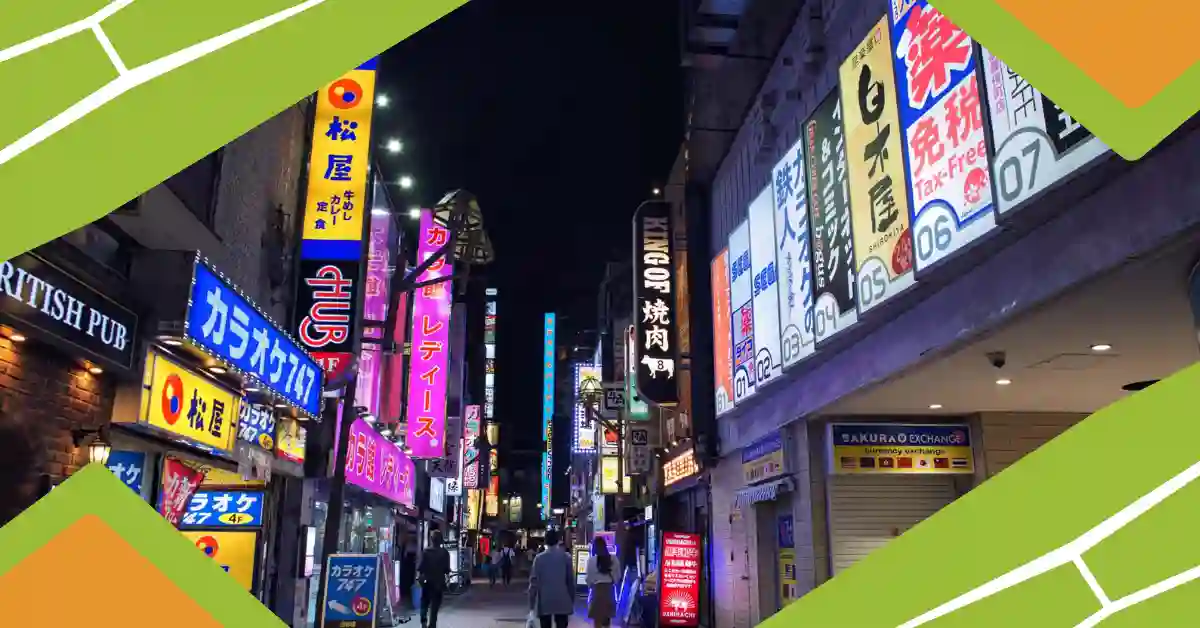
Japan has long fascinated people around the world. From anime and neon-lit Tokyo streets to samurai legends and ultra-efficient trains, the “Internet Japan” portrayed online often feels like a dreamscape. But the reality of Japan is more nuanced, diverse, and sometimes very different from what viral videos, social media posts, and pop culture suggest.
In this article, we break down the most common myths about Japan, compare “Real Japan vs Internet Japan,” and give you a clearer, more grounded understanding of life in modern Japan.
What Is “Internet Japan” vs “Real Japan”?
The term “Internet Japan” refers to the curated, often exaggerated version of Japan seen online. This includes:
- Highly aesthetic Tokyo street videos
- Anime-inspired depictions of daily life
- Viral clips of unusual vending machines or themed cafes
- Overgeneralized cultural claims
On the other hand, “Real Japan” is the lived experience of over 120 million people, spanning bustling megacities, rural villages, aging populations, and highly diverse lifestyles.
While Internet Japan is not entirely false, it is heavily filtered. Understanding the difference helps travelers, students, and culture enthusiasts avoid unrealistic expectations.
Myth 1: Japan Is a Futuristic Cyberpunk Country Everywhere
Internet Japan:
Many online videos show Tokyo as a glowing cyberpunk city filled with holograms, robotic restaurants, and ultra-modern everything.
Real Japan:
While areas like Shibuya, Shinjuku, and Akihabara are extremely modern, much of Japan looks surprisingly traditional or suburban. Outside major cities, you’ll find:
- Quiet residential neighborhoods
- Traditional wooden houses
- Rural farming towns with aging populations
- Small family-run shops instead of tech-heavy storefronts
Japan is technologically advanced, but it is not uniformly futuristic. In fact, convenience and efficiency, not sci-fi aesthetics, define most technology in daily life.
Myth 2: Everyone in Japan Is Obsessed with Anime and Manga
Internet Japan:
Anime culture is often portrayed as the dominant force in Japanese society, where everyone reads manga and watches anime constantly.
Real Japan:
Anime and manga are important cultural exports, but not every Japanese person is a fan.
- Many adults prefer dramas, sports, or news
- Older generations may rarely engage with anime
- Interests vary widely, just like in any other country
Anime culture is visible, especially in districts like Akihabara, but it represents only one part of Japanese entertainment life.
Myth 3: Japan Is a Silent, Emotionless Society
Internet Japan:
A common stereotype is that Japanese people are extremely quiet, reserved, and avoid emotional expression.
Real Japan:
Japanese communication styles are often polite and context-sensitive, but this does not mean people lack emotion or personality.
- Friends are often loud and expressive in private settings
- Social behavior varies depending on context (work vs leisure)
- Humor, sarcasm, and strong opinions are common in informal spaces
The “silent Japan” myth comes largely from misunderstandings of cultural etiquette rather than reality.
Myth 4: Japan Is Extremely Expensive Everywhere
Internet Japan:
Tourism content often highlights luxury hotels, expensive sushi restaurants, and high-end shopping districts, creating the impression that Japan is costly.
Real Japan:
Japan can be expensive in certain areas like Tokyo’s upscale districts, but everyday living is often affordable.
- Budget meals like ramen or curry rice are widely available
- Convenience stores offer cheap, quality food
- Transportation passes reduce travel costs significantly
- Smaller cities are much more affordable than Tokyo
Japan is better described as value-oriented rather than universally expensive.
Myth 5: Japan Is Always Perfectly Clean Because of Strict Laws
Internet Japan:
Videos often claim Japan is spotless due to strict fines and rigid rules.
Real Japan:
Japan is indeed clean, but not because of harsh punishment alone.
- Strong cultural emphasis on personal responsibility
- People carry their trash until they find disposal bins
- Schoolchildren clean classrooms as part of education
- Community pride plays a major role
However, public spaces in busy cities can still get dirty during festivals, nightlife hours, or peak commuting times. Cleanliness is cultural, not just legal.
Myth 6: Japan Has a “Uniform Lifestyle” for Everyone
Internet Japan:
Japan is often portrayed as highly uniform, everyone wearing suits, following the same routine, and living identical lives.
Real Japan:
Japanese society is structured, but far from uniform.
- Work culture varies widely between companies
- Young people increasingly adopt diverse lifestyles
- Remote work and freelancing are growing
- Subcultures exist in fashion, music, and hobbies
Japan balances tradition with increasing individuality, especially among younger generations.
Myth 7: Public Transport in Japan Is Always Empty and Perfect
Internet Japan:
Trains are shown as clean, quiet, punctual, and nearly empty.
Real Japan:
While Japan’s public transport is world-class in terms of efficiency, it is not always empty.
- Tokyo trains are often extremely crowded during rush hour
- Delays can still occur, though rarely
- Etiquette rules (silence, phone usage) are generally followed
The system is excellent but also heavily used and sometimes overwhelming during peak hours.
Myth 8: Japan Is a Land of Constant Tradition
Internet Japan:
Japan is often depicted as a country frozen in time, filled with samurai culture, kimono, and ancient temples everywhere.
Real Japan:
Japan is a blend of tradition and modernity.
- Temples and shrines coexist with skyscrapers
- Many people wear Western clothing daily
- Traditional festivals exist but are seasonal
- Cultural practices evolve with time
Rather than being stuck in the past, Japan continuously adapts while preserving its heritage.
Myth 9: Language Barrier Makes Japan Impossible to Navigate
Internet Japan:
Some online content suggests that Japan is completely inaccessible without fluent Japanese.
Real Japan:
While Japanese is the primary language, accessibility has improved significantly.
- English signage is common in major cities
- Translation apps are widely used
- Younger generations often understand basic English
- Tourist-friendly infrastructure is expanding
However, knowing basic Japanese phrases still enhances the experience greatly.
Myth 10: Japan Is Socially Isolated and Unfriendly to Outsiders
Internet Japan:
A persistent myth is that Japan is unwelcoming or closed off to foreigners.
Real Japan:
Japanese society can feel formal at first, but it is not inherently unfriendly.
- Politeness may be mistaken for distance
- Hospitality culture (“omotenashi”) is strong
- Many communities are welcoming to visitors and residents
- International populations are growing in cities
Like any country, social integration depends on language, respect, and context.
Why Internet Japan Feels So Different
The gap between Real Japan and Internet Japan exists because of how content is created and consumed online.
1. Algorithm-Driven Content
Social media platforms prioritize visually striking or unusual content, not everyday reality.
2. Tourism Marketing
Japan’s tourism industry highlights its most aesthetic and unique features to attract visitors.
3. Anime and Pop Culture Influence
Global audiences often associate Japan primarily with anime, shaping expectations.
4. Limited Context in Viral Videos
Short clips rarely explain cultural or social background, leading to misunderstandings.
Understanding Japan Beyond the Myths
To truly understand Japan, it’s important to look beyond viral clips and stereotypes. Japan is:
- A highly developed economy with modern infrastructure
- A country with deep cultural traditions
- A society facing demographic and social changes
- A place with both ultra-modern cities and quiet rural towns
The reality is not less interesting than Internet Japan, it is simply more complex.
Conclusion: Bridging the Gap Between Perception and Reality
The contrast between Real Japan vs Internet Japan highlights a broader issue in how we consume global cultures online. Japan is often romanticized or oversimplified, but the truth lies somewhere in between the polished online image and the everyday lived experience.
By recognizing these myths and misconceptions, travelers and enthusiasts can approach Japan with more realistic expectations and a deeper appreciation for its diversity, contradictions, and authenticity.
Whether you’re planning a visit or simply fascinated by Japanese culture, understanding the difference between Internet Japan and Real Japan helps you see the country not as a fantasy, but as a vibrant, living society.